

According to one study, 75% of respondents believe chatbots are conscious.
Arts, Culture + Society – Articles, Analysis, Comment
Displaying 26 - 50 of 1265 articles

New research indicates that collective forms of governance were more likely.
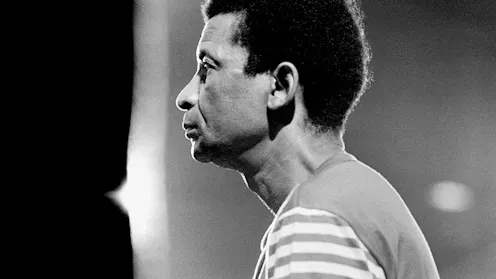
He embodied a special brand of multiple identities and belief systems, and took them to the world.
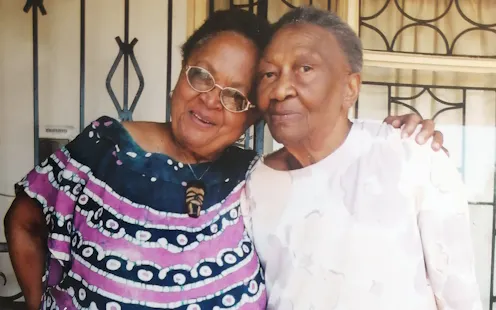
She was a trusted mentor to young militants whose 1976 uprising shaped the country forever.
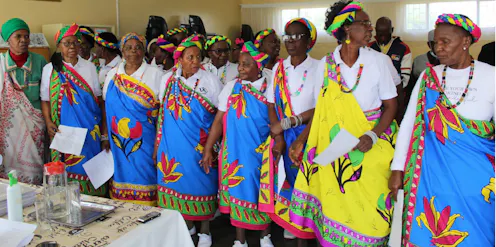
Singing together can revive memories and create social connection.
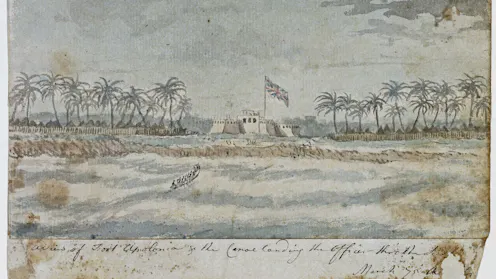
Why did Appolonia trade so few enslaved people? Short answer: unique economy and sacred beliefs.
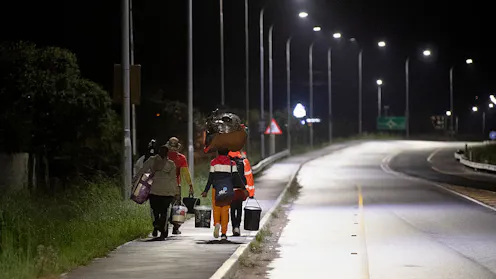
Several key actions that could help are not yet on the table, including mobilising other political parties as well as civic society to fight anti-foreigner hysteria.
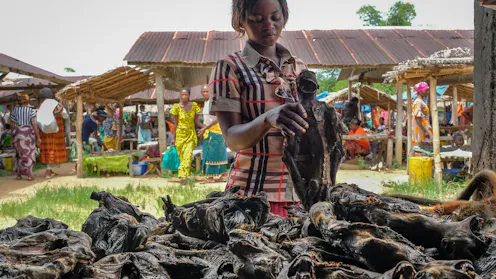
The meat of wild animals, or wild meat, is a big part of the diets of millions of people in central Africa.

Urban design depends heavily on human judgment and field-based understanding.

The Kenyan state’s war against traditional brews is driven by a colonial mentality.

Overcrowded homes, mismatched dog groups and sizes are the biggest drivers of dog-on-dog aggression in South Africa.
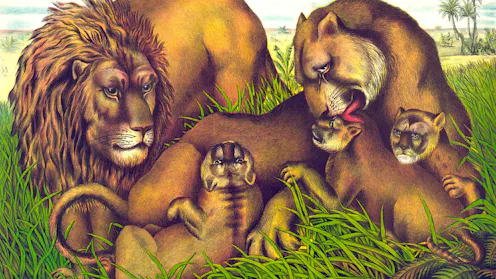
Literature about royal animals was used in workshops to imagine better futures.
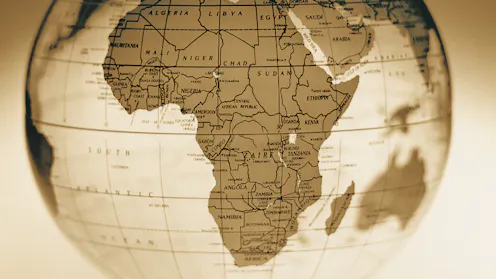
The Conversation Africa marks its eleventh anniversary this year with more than 12,000 articles celebrating varying levels of impact.

Trance states may influence the movements depicted in rock art.

The statistical arc of human endeavour in the marathon keeps bending upwards. There is still much to be inspired by.
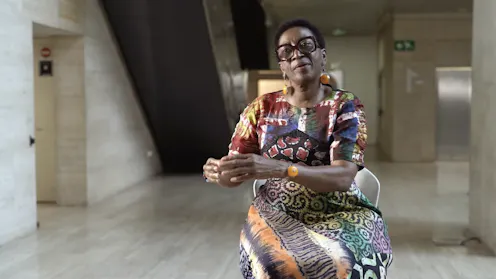
A look at six African intellectuals whose work challenges dominant narratives and reclaims Africa as a producer of knowledge, not just its object.
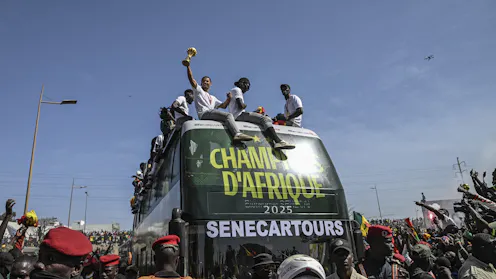
Caf’s decision to strip Senegal of the title is a textbook case for sports law.
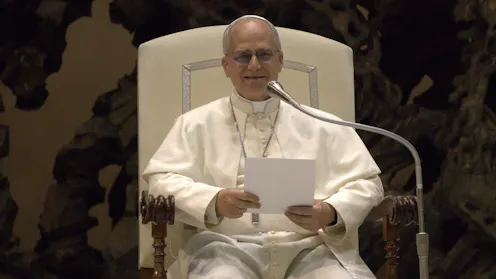
Pope Leo’s Africa visit offers a powerful historical reminder of the continent’s foundational role in shaping the early church.
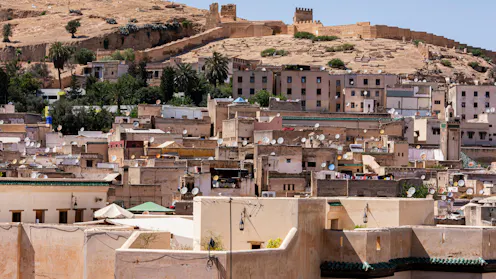
City transformation is increasingly being shaped by a complex interaction between the past and the future.
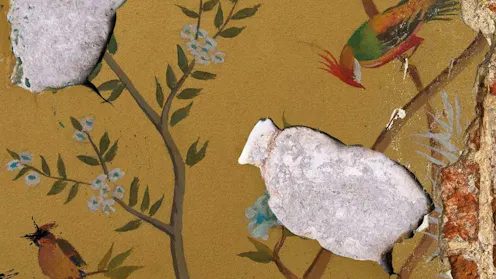
Suspense-packed yet intellectually sharp, Cape Fever is far more than a chamber drama.
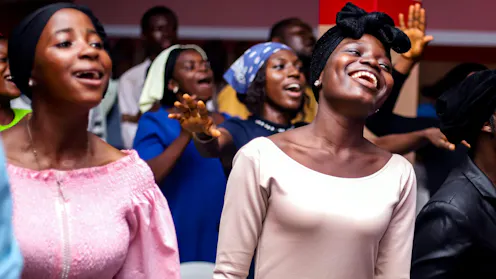
In most churches, religious life forms around friendships, love, emotional support and social events.
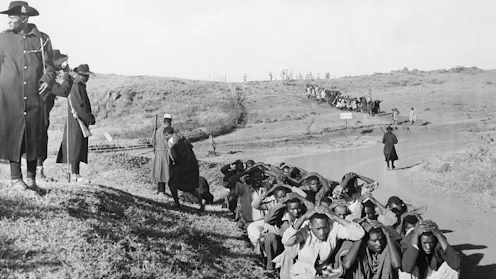
Characteristics that would come to define Mau Mau camps – neglect, forced labour and ill-health – were ingrained long before 1952.

The film insists that young Africans are not just passive recipients of imported technologies. They’re also active creators.

Niall and Leah’s long distance relationship will test what love and career mean on a planet in crisis.

A final is not just a result. It is also a narrative, a memory, and a shared collective moment.