
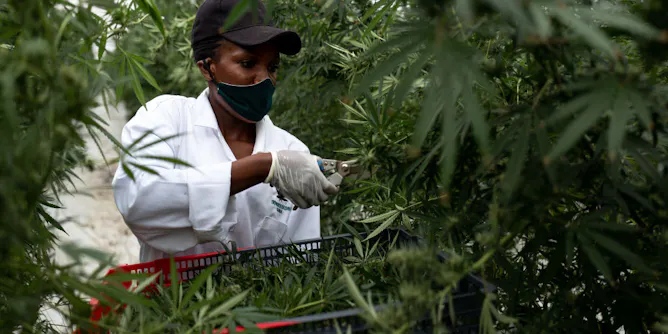
Ensuring the participation of ordinary citizens and producers in the industry is the big challenge facing African states.
Articles on Zimbabwe
Displaying 121 - 140 of 378 articles
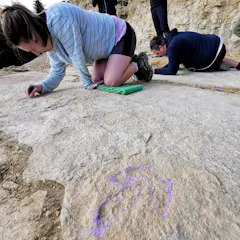
Collectively, the evidence studied by ichnologists helps to paint a picture of long-gone landscapes and the creatures and plants that populated those spaces.
Refugee law puts humanitarianism above considerations of state sovereignty.
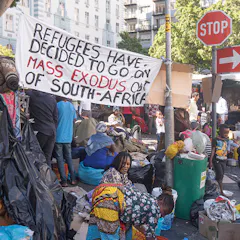
Despite regular incidents of anti-migrant violence, peaceful and mutually beneficial relationships between South Africans and migrants can and do exist.
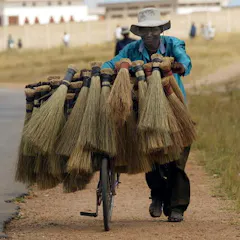
The informal sector in Zimbabwe is massive. Finding ways to connect it to the formal sector is vital.
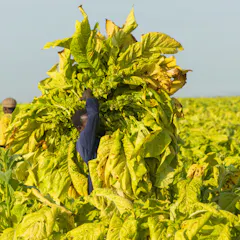
The state controls and regulates small farmers’ environmental practices without addressing what forces them to follow these practices.

Synik’s new album continues to shape identity and consciousness in a country with limited freedom of speech.

Saponins from plants can destroy viruses and other microorganisms in the same way commercial soaps and detergents do.
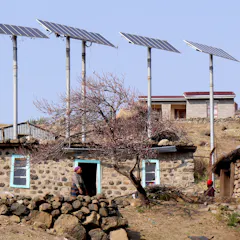
Sub-Saharan Africa is one of the world’s most sunlit regions. A prototype generator uses that sunlight in place of diesel to support unreliable electricity grids.

Continuous growth of energy production and consumption, even from low carbon energy sources, could create more problems than solutions.
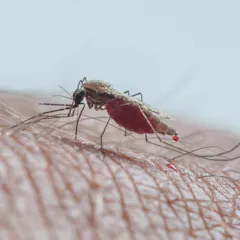
The countries share related populations, economies, ecologies and epidemiologies. This interconnectedness highlights challenges and opportunities for more effective malaria control across the region.

To kick-start ethical regeneration of Zimbabwean society political leaders need to take the lead in the fight against corrupt and speculative activities.
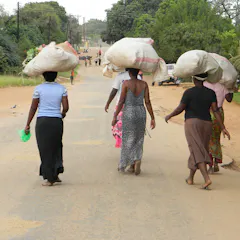
Informal economic activities in Norton, Zimbabwe play a part in environmental sustainability and contribute to the town’s financial sustainability.
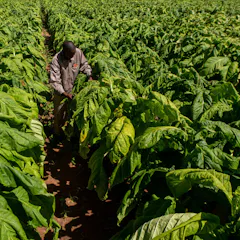
The focus of climate talks has been on how little time is left is for global action. But climate change has already made tobacco farming, potentially a route out of poverty, unviable for some.
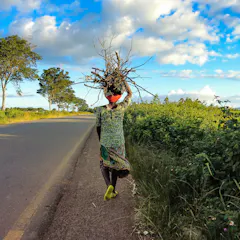
Developments in the energy sector shouldn’t be reduced to technological sophistication. They should be guided by how they improve the livelihoods of the intended beneficiaries.
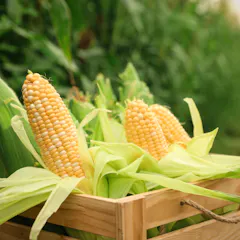
Zimbabwe’s 2021 bumper harvest is a welcome development but, it’s important to know what’s behind this success and what challenges remain.

How Harare has dealt with its urban canine citizens over the years following independence reflects the competing visions of a modern city.

Nine immigrants founded a cricket club in 1934 in Rhodesia. The Sunrise club survives to this day, part of Zimbabwe’s national culture.

CC BY-NC-ND10.2 MB (download)
Through stand-up comedy, women in Zimbabwe can resist patriarchal power relations. There are still far fewer female stand-ups in the country but the field keeps on growing.

Despite the challenges of being a female comedian, the women who do choose to perform feel emboldened to speak out in ways that can resist sexism.
Top contributors
-

Professor of World Politics, SOAS, University of London
-
Research Associate, Dept of Anthropology & Development Studies and Fellow, Clare Hall, University of Cambridge, University of Johannesburg
-
Professorial Fellow, Institute of Development Studies
-
Senior Research Associate, University of Johannesburg
-
Professor of Sociology, University of the Witwatersrand
-
Senior Lecturer, Stellenbosch University
-
Professor of Democracy, University of Birmingham
-
Assistant Professor, Harvard University
-
Extraordinary Professor, Department of Political Sciences, University of Pretoria
-
Visiting Professor, University of Kent
-
DLitt et DPhil Student in Politics, University of South Africa
-
Senior Research Fellow, Centre for the Advancement of Scholarship, University of Pretoria., University of Pretoria
-
Associate Professor in the Politics of Africa, University of Oxford
-
Professor of Economics, Salisbury University
-
Honorary Senior Research Fellow, University of Stirling