

The Saudi-Canadian row offers Canada an opportunity to adopt a new Middle East policy based on universal human rights that address the needs of the many and contributes to regional stability.
Articles on Yemen
Displaying 101 - 120 of 162 articles
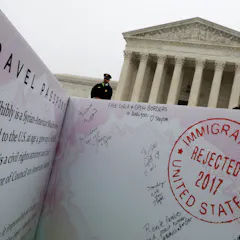
The ban has major implications for thousands of would-be immigrants from all of the affected countries, except perhaps Venezuela.
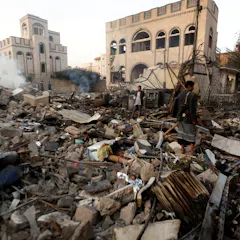
Yemen’s civil war is a stew of local and foreign interests, from Washington, Saudi Arabia to Iran. And the latest battle may cost the lives of hundreds of thousands of civilians, if not millions.
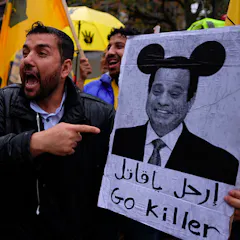
Public disaffection in Egypt and other Middle Eastern countries betrays deep-seated tensions beneath the surface.
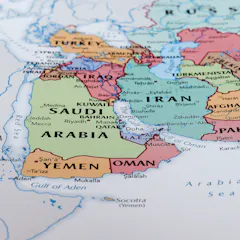
With Iran and India on manoeuvres and the war in Yemen still unfolding, Pakistan’s stakes in the Middle East are as high as ever.
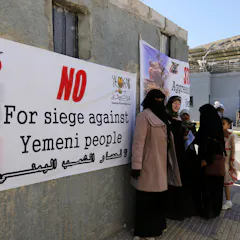
Many Yemeni women are not victims of war or just escaping or hiding. In many and contrasting ways they are actively supporting it, and not only on humanitarian grounds.
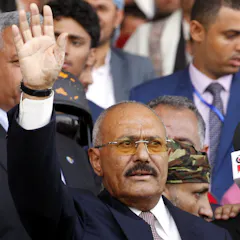
Yemen now needs a new kind of politics where its people must be allowed to make their own future.

Scotland’s former first minister has sparked outrage in the UK with his latest move.
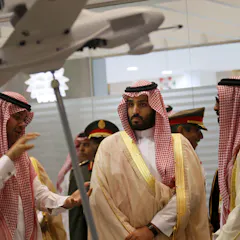
The latest arrests of princes, ministers and military officials in Saudi Arabia might be in the name of anti-corruption but it also serves to bolster the Saudi royal family’s power.
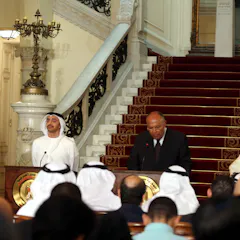
There are strong signs that Riyadh has begun a campaign to promote regime change. But the Saudi strategy appears to be backfiring.
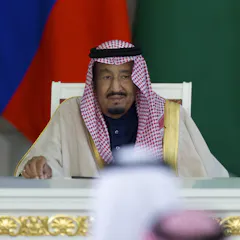
When it comes to foreign policy, Saudi Arabia has recently become far more aggressive. A historian of the modern Middle East sees three possible causes for the shift.
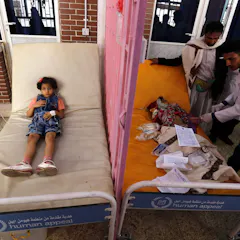
771,945 have been infected.

Ship attacks near Yemen last October have implications for missile defence from the Atlantic to the Pacific, from Romania to Japan.
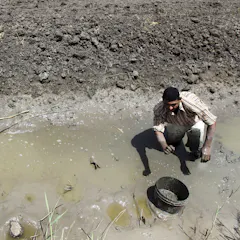
At present, the Middle East and North African region contains 7% of the world’s population but only has access to 1.5% of its renewable freshwater supply through rainfall.
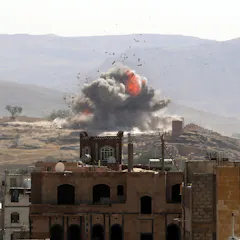
The international law on arms transfers is clear: suppliers are at least partly accountable for recipients’ human rights violations.

The world has turned its back on the Nuba people of Sudan. Despite the critical need for food, none of the organisations involved in helping people in dire need have attempted to deliver aid to them.

Congress is trying to curb the president’s ties to human rights abusers, harkening back to landmark legislation of the 1970s.

Already one of the world’s most urgent humanitarian disasters, the situation in Yemen is only getting worse.
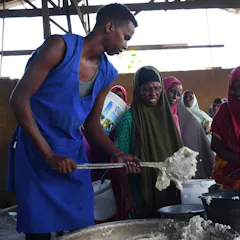
Rules imposed after 9/11 and still on the books are getting in the way of delivering aid to conflict zones. In countries like Yemen and Syria, it could mean the difference between life and death.
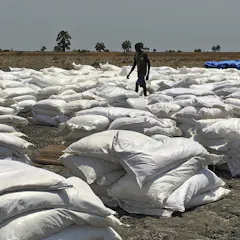
At a time when poverty and hunger levels are declining around the world, famine is recurring, driven by conflicts and natural disasters. But timely action by governments and aid groups can save lives.
Top contributors
-

Director of the Curtin Extremism Research Network (CERN), Curtin University
-
Professor of International Relations, Lancaster University
-
Lecturer in International Relations, University of Glasgow
-
Associate Professor, Department of Peace, Human Rights & Cultural Relations, American University School of International Service
-
Ph.D. Candidate in Political Science, Colorado State University
-
Fellow for the Middle East at the Baker Institute, Rice University
-
Professor of Peace Studies, University of Bradford
-
Professor of International Politics, Clinton Institute, University College Dublin
-
PhD Researcher, SOAS, University of London
-
Associate Professor, School Of Politics & International Relations, University College Dublin
-
Lecturer, Department of War Studies, King's College London
-
PhD Candidate, Political Science and International Relations, Curtin University
-
PhD Candidate (ABD), York University, Canada
-
Adjunct assistant professor, International Relations, Carleton University; L’Université d’Ottawa/University of Ottawa
-
Law Professor in Constitutional Law, Criminal Law, Election Law, University of Memphis