
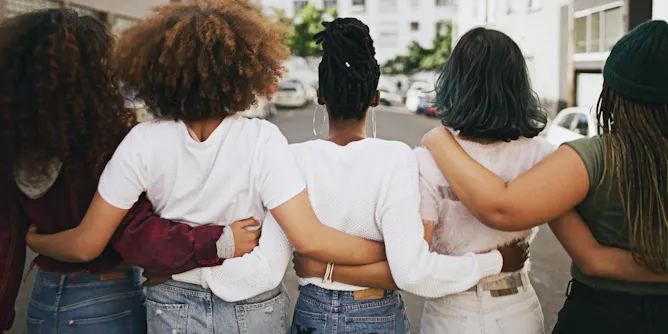
Women’s Day is used to draw attention to the issues women still face in South Africa.
Articles on Women's Day
Displaying all articles

The pioneering role she played, and the sacrifices she made, extended well beyond the famous 1956 Women’s March.
Adolescent girls can contribute to social change, economic growth, sustainable development and peaceful societies. They should be able to live their lives free from violence.
The availability of data by sex and gender is important for national responses when it comes to prevention, treatment and control.
Ngozi Okonjo-Iweala’s appointment as the first woman and the first African director general of the World Trade Organisation is a win for women globally.

Less than 30% of researchers worldwide are women. The biases and perceptions that keep women and girls out of STEM must be tackled.
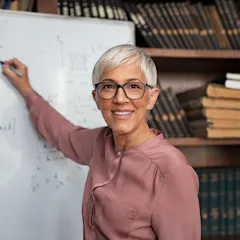
Increased pressure on women academics caused by the COVID-19 pandemic is magnifying the fractured landscape of gender parity in academia.
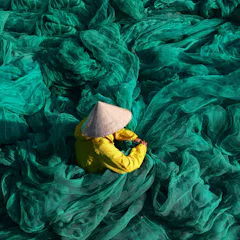
Identifying and overcoming barriers to equitable participation in social and economic life can improve the well-being of coastal communities.
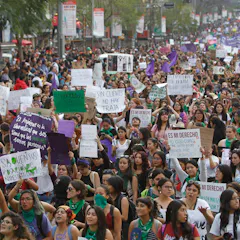
The backlash against sexual harassment and assault of women in Mexico was slow to get started, but thanks to a Twitter campaign, women in all professions are now beginning to speak out.

What matters to women as they grow older, as the city’s population changes and urban development continues apace? You don’t know unless you ask them – and they have so much to contribute.
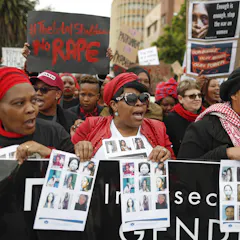
Gender based violence should not be addressed only once it has happened, by jailing offenders. Prevention is just as important.
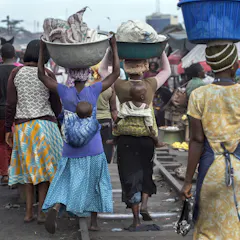
Adequate and quality childcare determines women’s participation in the labour force and the type of work they can take on.
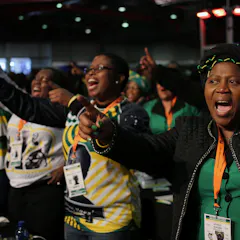
All three female contenders for the presidency of the ANC and South Africa have strong liberation struggle credentials and have also contributed to democracy. But, are they up to the job?
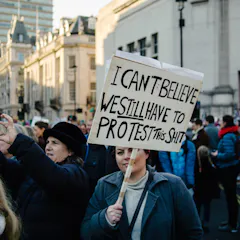
It has been a rough year for the women of this world, which makes a day of recognition even more important.
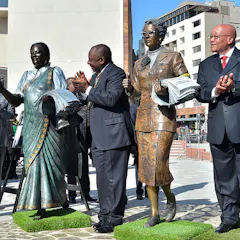
South Africa’s past tells us that, under certain conditions, women mobilise in ways that produce significant political results. But the country’s present shows how easily these gains can evaporate.
Top contributors
-

Professor of Political Science and Chair of the South African Research Initiative in Gender Politics, Stellenbosch University
-
Professor in Psychology, The Open University
-
Research Associate, Neil Aggett Labour Studies Unit, Rhodes University
-
PhD Fellow based at the Wits City Institute, University of the Witwatersrand
-
Professor in Psychology, The Open University
-
Professor of Public Health, Washington University in St. Louis
-
Associate Director and Researcher at the Developmental Pathways for Health Research Unit (DPHRU), University of the Witwatersrand
-
Distinguished Professor in the Department of Medicine and Director, The Centre for Medical Ethics & Law, Stellenbosch University
-
Professor of Film and Screen Studies, University of Portsmouth
-
Associate research scientist/ Statistician, African Population and Health Research Center
-
Assistant Professor of Economics, Obafemi Awolowo University
-
Adjunct Lecturer, Department of General Practice, Monash University
-
President, Nigerian Academy of Science
-
Senior Lecturer in Media Studies, University of Cape Town
-
Associate Professor, University of Johannesburg