
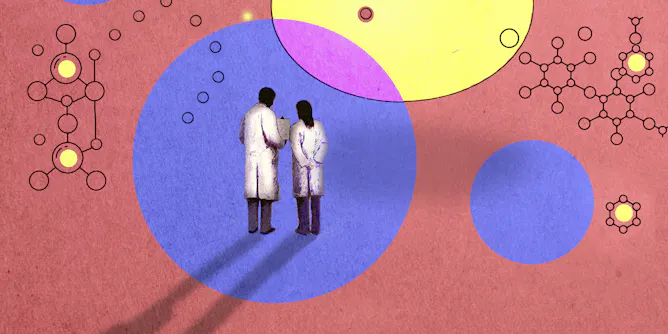
A five-year study of Australian media found three quarters of science stories quoted men.
Articles on Women in media
Displaying 1 - 20 of 23 articles
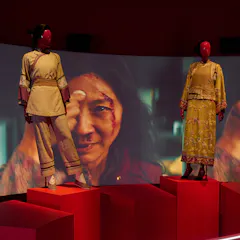
Stars we ordinarily think of as goddesses are showcased, but the show also asks audiences to rethink what a ‘goddess’ might be.
For many men, grey hair is just part of getting older, but for women, going grey can have major consequences.

Shirley Barrett burst onto the international scene when her debut film, Love Serenade won the Caméra d’Or at Cannes Film Festival.
A new study reveals how female climate scientists are perceived by their peers during media interviews.
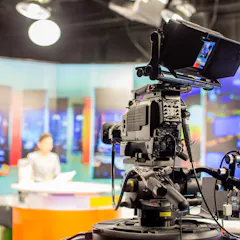
It will take another 67 years to close the gender gap in news, according to the latest global survey of women in the media.
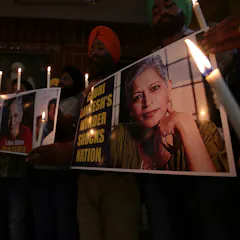
An international survey of women media workers has found that in many cases, physical attacks appear to have followed online threats.
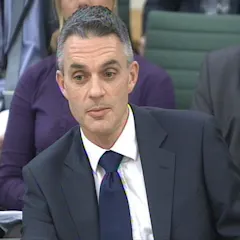
Facing a hostile government and a financial squeeze, the new boss of the UK’s public broadcaster has his work cut out for him.

Feminists in Africa must step up to the challenge and redress the manner in which African women are portrayed in the digital age.

Today’s workplaces extend beyond physical spaces, so movements like #metoo must trigger change in how we behave online.
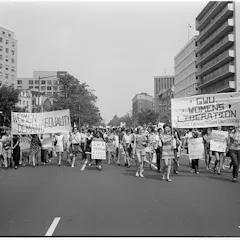
In the 1970s thousands of women in media took their employers to court over pay inequality. While many were successful, similar cases today show the fight for equality has a long way to go.

The allegations of sexual harassment against Don Burke have exposed a media culture rife with misogyny. But what will it take to change?
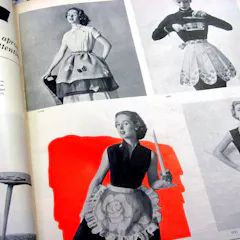
TV commercials continue to traffic in outmoded gender roles, relegating women to the home. A media scholar explains how these stereotypical portrayals can fuel workplace harassment by powerful men.
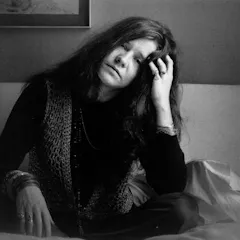
Female popular musicians die younger – and from more unnatural causes like suicide, homicide and accidents – than women in the general population. What’s going wrong?

More mothers and older women working in the industry can balance how women are represented onscreen.
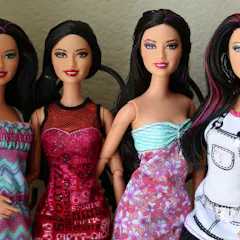
This plastic matters: girls as young as three-and-a-half associate thin dolls with being smart and heavy dolls with being sad.
Bad female characters start with bad writing. We compare male and female character descriptions, which are often used as the starting point for casting calls.
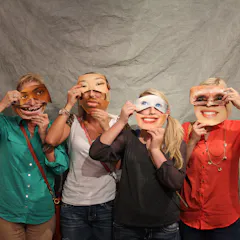
Australia’s defining narratives are apparently, with rare exception, stories by, for and about white cis men. We need more than Screen Australia’s new measures to address gender equity in the film industry.

Screen Australia has announced a five point plan to promote gender balance, including A$3 million funding for female-led creative projects.

If the Australian screen industry is to grow into the future and prosper, it cannot ignore the untapped creative talent and leadership potential of women. We need strategies to address this problem.
Top contributors
-

Honorary Fellow, Centre for Advancing Journalism, The University of Melbourne
-
Professor & Dean, School of Media and Communication, RMIT University
-
Senior lecturer, University of Technology Sydney
-
Professor & Head of School for Film, Media & Performing Arts, University for the Creative Arts
-
Professor of Psychology, Professor of Music (rtd), University of Sydney
-
Professor of Media, Northumbria University, Newcastle
-
Lecturer in Screenwriting, The University of Melbourne
-
Adjunct Professor of Media and Communications, RMIT University
-
Associate Professor in the UNSW Business School, UNSW
-
Associate professor, Journalism, Monash University
-
Professor of Political Communication, Leadership and Public Opinion, Universidad de Buenos Aires
-
Professor of Software Systems and Cybersecurity, Monash University
-
Lecturer in Media and Communications, The University of Melbourne
-
Research Assistant, University of Sydney
-
Canada 150 Research Chair in Gender and Cultural Informatics, University of Alberta