

Diseases once thought confined to history are making a comeback in Australia. And vaccination is only part of the story.
Articles on Whooping cough
Displaying 1 - 20 of 41 articles

Pertussis often lacks the classic ‘whoop’ in adults, making it easy to confuse with flu, COVID or RSV.

Before COVID, Australia reached its target of 95% of one-year-olds fully immunised. Now, lower coverage means more babies are at risk of whooping cough and measles.

This debilitating disease is particularly dangerous for babies, but can affect people at any age. Vaccination remains a key line of defence.
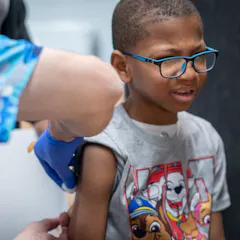
Most states require childhood vaccinations for measles, mumps, tetanus, rubella, chickenpox and whooping cough.

You can still pass whooping cough on, even if you’re vaccinated.
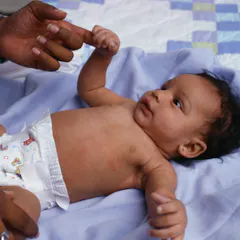
Rates of the bacterial infection have gone up by 500% since last year, with babies and young children most at risk.

The RSV vaccine is one of three vaccines covered under the National Immunisation Program for pregnant women.

A series of vaccines offered during high school protect teenagers against certain diseases, and help reduce the spread of these diseases in the community.

Whooping cough is surging in Australia. In 2024, we’ve already recorded more than six times the cases we saw in all of 2023.
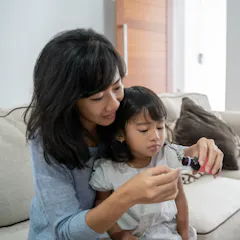
Azithromycin is facing shortages of its liquid formulation, which is used to treat respiratory and other illnesses in children.
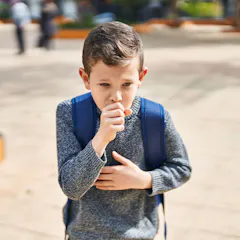
There have been 2,793 confirmed cases of whooping cough so far this year – and, tragically, five infant deaths due to the infection.
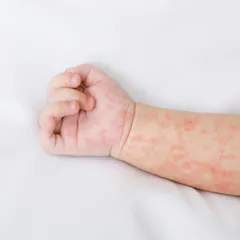
The resurgence of measles and whooping cough is troubling. The most effective way to prevent the return and spread of vaccine-preventable diseases is through vaccination and combating vaccine hesitancy.
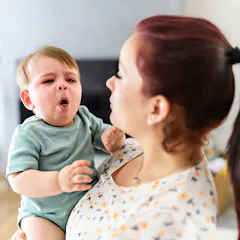
Vaccination is our best tool to limit this whooping cough outbreak.

Antibiotics aren’t very effective against it, but we do have a vaccine.

Over the last two years, routine immunisation services and coverage of essential childhood vaccines have been disrupted.
One in three infants is not immunised against pertussis. For Māori babies, more than half are at risk from the potentially deadly infection. But there are relatively simple things we can do.

Some coughs can last for weeks or even months following an upper respiratory infection. The good news – albeit not very satisfying – is that most eventually go away on their own.

Whooping cough rates are the lowest they’ve been for years. But what comes next?
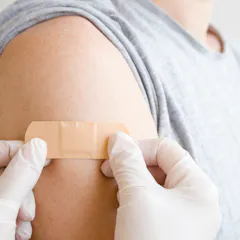
You no longer have to go to your GP to get your flu shot or catch up on vaccinations you missed earlier in life or have waning immunity to. But they’re unlikely to be free.
Top contributors
-

Paediatrician and Infectious Diseases Specialist; Clinical Researcher, University of Sydney
-
Professor, Discipline of Paediatrics and Child Health, University of Sydney
-
Professor and Director for the National Centre for Immunisation Research and Surveillance of Vaccine, University of Sydney
-
Senior Research Fellow, Global and Tropical Health Division, Menzies School of Health Research
-
Professor of Global Biosecurity, NHMRC L3 Research Fellow, Head, Biosecurity Program, Kirby Institute, UNSW
-
Professor of Paediatrics and vaccinologist, Royal Childrens Hospital, University of Melbourne and Murdoch Childrens Research Institute (MCRI); Associate Dean International, University of Melbourne, Murdoch Children's Research Institute
-
Professor, School of Public Health, University of Sydney
-
Paediatrician & Infectious Diseases Physician; Senior Lecturer & NHMRC Fellow, Faculty of Medicine, University of Sydney
-
Associate Professor, School of Law, University of Canberra
-
Honorary Principal Fellow, School of Population and Global Health, The University of Melbourne
-
Associate Professor, School of Public Health, Global Disease Epidemiology and Control, Johns Hopkins University
-
Research Fellow, General Practice, Queen Mary University of London
-
Professor, Department of Epidemiology, Johns Hopkins Bloomberg School of Public Health; Head of Epidemiology, International Vaccine Access Center, Johns Hopkins University
-
Senior Research Officer, Infectious Diseases Epidemiology Team, The Kids Research Institute Australia
-
Professor and Director of Doherty Epidemiology, The University of Melbourne