
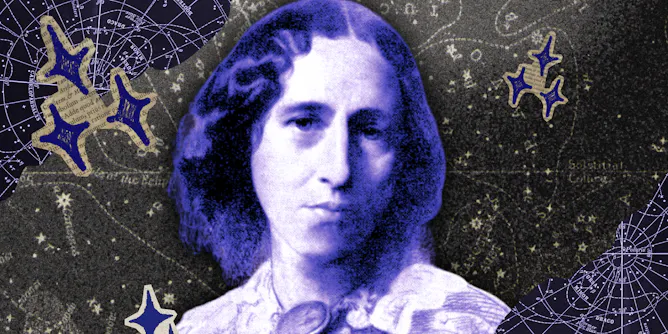
George Eliot saw literature as uniquely capable of extending our sympathies, but her work engaged deeply with scientific questions too.
Articles on Victorian literature
Displaying all articles
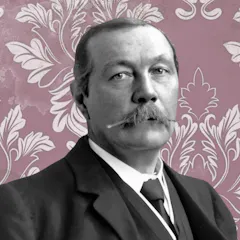
Many of Doyle’s Sherlock Holmes stories examine male characters facing emotional catastrophe, betrayal and moral dilemmas.
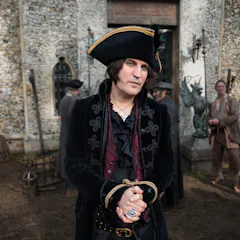
Not the dandy highwayman of popular imagination, Dick Turpin was a violent and, according to records, ugly criminal.
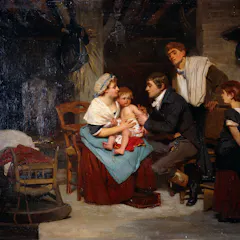
Victorian anti-vaccine literature shows that the fears and concerns remain largely the same today.
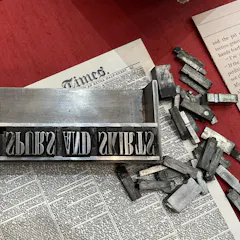
Personal ads of ‘the Agony Column’ were full of longing, tragedy and profound misfortune. Intrigue they generated has had an enduring effect on literature and film.
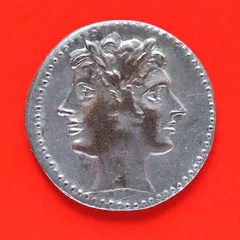
The 1859 book ‘Self-Help’ by Scottish journalist and physician Samuel Smiles was written in bite-sized pieces reminiscent of today’s wellness and lifestyle New Year tips.
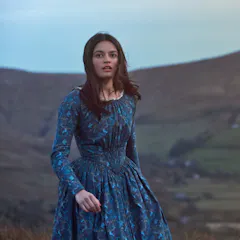
A new film about the author mixes biography with mythology and some dramatic reinvention.
Arthur Conan Doyle wasn’t the only author spinning tales of cunning detectives.
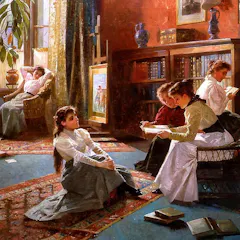
Moral prudishness pushed Thomas Hardy and George Eliot to develop more creative and thoughtful writing practices.
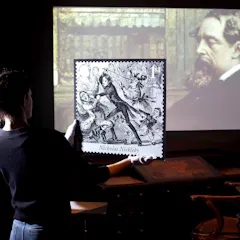
Almost as soon as Dickens died in 1870, writers and illustrators began to take liberties with his life and career.
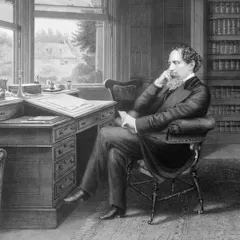
Two sequels which show how the Victorian novelist’s stories can be adapted to reflect post-colonial narratives.
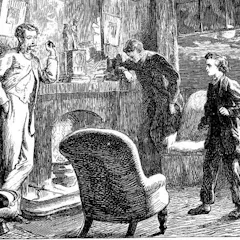
Dickens had some clever little narrative tricks, which become clear when his work is analysed as a single data set.
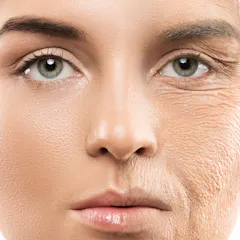
The focus on the ageing of women is by no means a modern phenomenon.
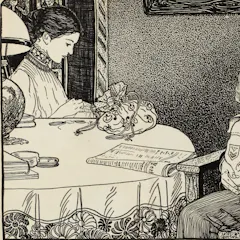
In children’s literature, mothers are rarely more than anonymous homemakers – unless they are wicked queens.

Written in the same house party as Mary Shelley’s Frankenstein, Polidori’s creature was based on the “mad, bad and dangerous to know” Lord Byron.
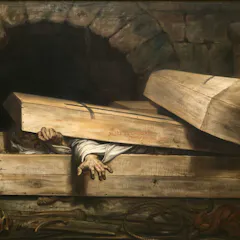
New research is uncovering medieval legends about the undead in Britain.

Many viewers think that the recent adaptation of Vanity Fair plays fast and loose with Thackeray’s novel. But the writer was surprisingly modern.
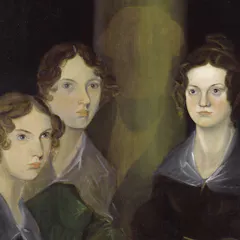
Since the 1930s, Wuthering Heights has been used to claim the Brontë family had an incestuous secret.
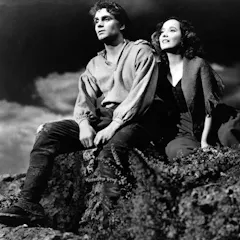
Wuthering Heights is anything but a straightforward love story.
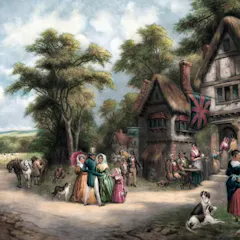
Sharp-eyed Victorian writers exploded the myth of tranquil village life.
Top contributors
-

Associate Professor of Research, University of Hertfordshire
-
Professor of Corpus Linguistics, University of Birmingham
-
Independent researcher, Trinity College Dublin
-
Senior Lecturer, School of Arts & Humanities, Nottingham Trent University
-
Professor, Department of English, McGill University
-
Lecturer, Biomedical and Life Sciences, Lancaster University
-
PhD Candidate, ESRC Centre for Corpus Approaches to Social Science, Lancaster University
-
Senior Lecturer in English, Loughborough University
-
Marie Sklodowska-Curie Fellow, Centre for Corpus Research, University of Birmingham
-
PhD Candidate in English Literature, University of Reading
-
Professor of Applied Linguistics, University of Leeds
-
PhD Candidate in Victorian Literature and English Instructor, University of Toronto
-
Leverhulme Early Career Research Fellow, Royal Holloway, University of London
-
Outreach Librarian, McGill Library, McGill University
-
Research Fellow, Department of English Language and Linguistics, University of Birmingham