
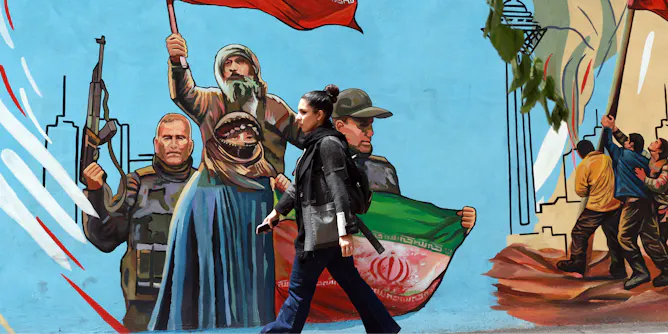
This conflict is fast becoming a catestrophic US failure which could define Trump’s second presidency.
Articles on US-Iran conflict
Displaying 101 - 120 of 429 articles
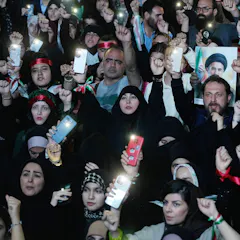
The US and Israel believed that military superiority would be enough to humble Iran. It looks as if they were wrong.
Cost pressures can drive down quality.
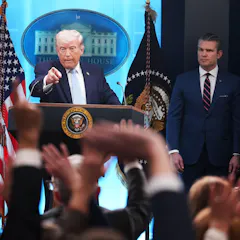
Even the Republicans in Congress were beginning to pressure the Trump administration over whether the conflict was constitutional.
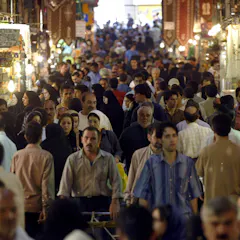
At every difficult moment in their long history, the Persian people have fought to preserve what is theirs. The Trump administration may have underestimated this.
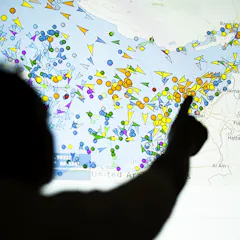
Iran’s decision to levy tolls on ships passing through the crucial choke hold has an unlikely connection to the site of Shakespeare’s ‘Hamlet.’
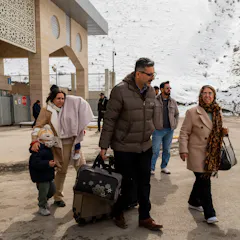
How we are tracing the movement of people in Iran despite an almost complete information blackout.
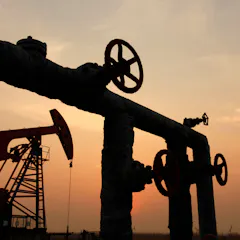
Closing down oil wells can cause long-term damage, which is difficult to reverse.
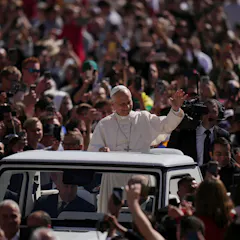
Pope Leo is following the teachings of Francis on human dignity and applying them to ongoing international crises, argues a scholar of global Catholicism.
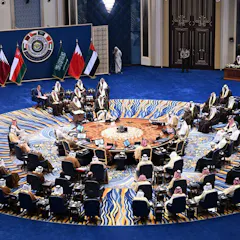
The Gulf Cooperation Council was formed after the Iranian Revolution of 1979. Since then, GCC members have tried different strategies to contend with Tehran.
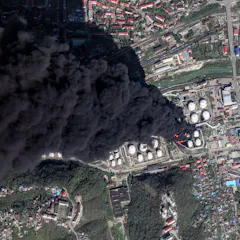
Many oil refineries have caught fire recently. Whether caused by drone strike or accident, the result is the same: more pressure on shaky energy systems.
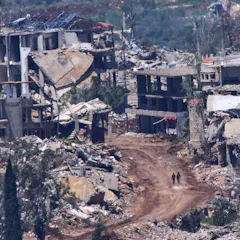
The Israeli prime minister is using the ‘Gaza playbook’ to decimate southern Lebanon, but it won’t eliminate the threat from the militant group.
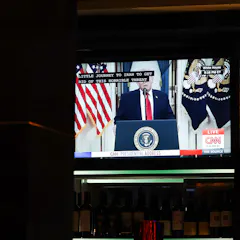
Donald Trump’s unilateral move to engage in military action against Iran isn’t unprecedented; Presidents Obama and Clinton directed U.S. military engagements without explicit congressional approval

The war has deepened animosity across the Gulf region.
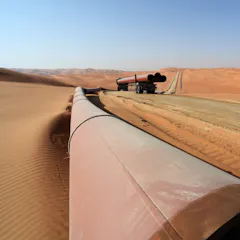
While the UAE and Saudi Arabia can at least partly circumvent the Strait of Hormuz, other Gulf states are less fortunate.
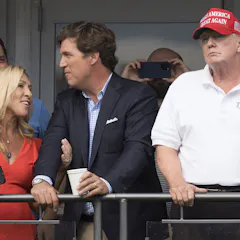
Marjorie Taylor Greene and Tucker Carlson, two of the Maga movement’s most prominent figures, have broken with Trump in recent months.

An energy law expert explains what makes this group of oil-producing nations so influential.

Even at the best of times, most seafarers face extremely difficult working conditions, while contending with geopolitical crises and unpredictable trade cycles.
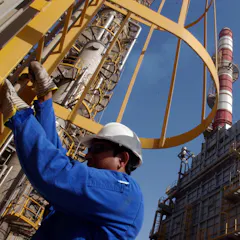
With the Strait of Hormuz still effectively closed, prices will likely stay high in the near term. But a weaker cartel could mean more competition in the future.
UAE wants to increase its production of oil beyond the quotas it is alloted by the oil-producing cartel.
Top contributors
-

Honorary Research Fellow, Department of International Politics, City St George's, University of London
-
Professor in International Politics, City St George's, University of London
-
Emeritus Professor of Middle Eastern Studies, Australian National University; The University of Western Australia; Victoria University
-
Associate Professor in International Relations, UNSW
-
Lecturer in History and International Studies, Leiden University
-
Adjunct Professor, Defence and Security Institute, The University of Western Australia; UNSW
-
Associate Professor in International Politics, UCL
-
Professor of International Security, University of Birmingham
-
Lecturer in Energy Systems, University of Oxford
-
Professorial Fellow, University of Canberra
-
Professor of International Relations, Lancaster University
-
Professor of the Practice of Political Science and International Relations, USC Dornsife College of Letters, Arts and Sciences
-
Lecturer, Department of War Studies, King's College London
-
Associate Professor, Defence Studies Department, King's College London
-
Fellow for the Middle East at the Baker Institute, Rice University