
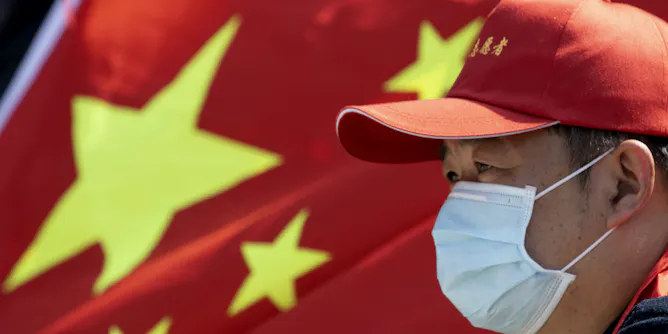
Beijing is touting its role in the world and praising its autocratic governmental system and its huge countrywide surveillance network. Hawks in Washington aren’t impressed.
Articles on US foreign policy
Displaying 181 - 200 of 491 articles
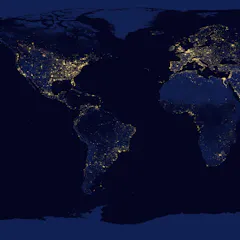
April 22, 2020 is the 50th anniversary of Earth Day, which catalyzed action to protect the environment not just in the US but internationally.
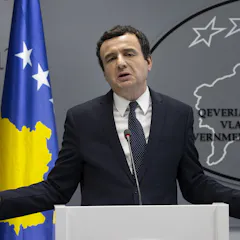
The collapse of the government in Kosovo is a victory for reactionary forces within Kosovo and the self-seeking agenda of the Trump administration.
A Biden presidency would be highly likely to adopt policies that would restore the cooperative links that prevailed under Obama.
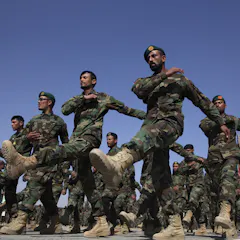
The US is taking an untraditional approach in its peace talks with the Taliban. The new deal does not contain many of the elements that are typically key to a successful peace negotiation.
The Quincy Institute for Responsible Statecraft threatens to radically realign the politics of US national security.
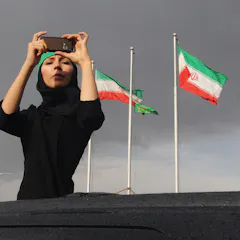
The conflict between Iran and the US has gone on for decades. A scholar of social movements in Iran asks why the US has consistently failed to support that country’s activist reform movements.
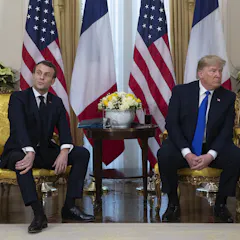
As the North Atlantic Treaty Organization celebrates its 70th anniversary with a leaders’ meeting in London, five US scholars shed light on NATO’s history and its potential future.
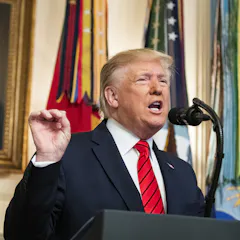
In northern Syria, Trump has caused U.S. allies and rivals to view American commitments in a new, uncertain light. Other countries may now shift to depend less on the U.S., weakening national power.
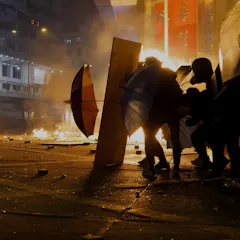
Revolutions are built not on deep misery but on rising expectations. History may not provide much hope of immediate change in Hong Kong – but protesters may have a longer view.

Since the 1940s, Congress has largely let the president make decisions, while members of the House and Senate endorse or condemn those actions from the sidelines.
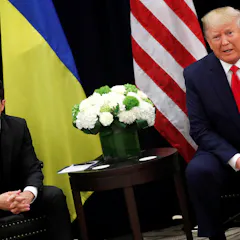
Multiple American presidents have viewed US support of Ukraine’s security and democracy as critical to the national interest. President Trump’s dealings with Ukraine are a major divergence.
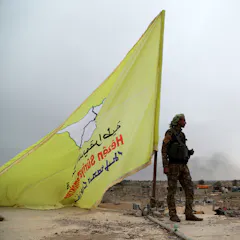
Why the US decision to withdraw troops from northern Syria is so dangerous.
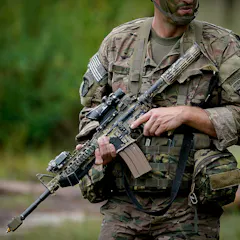
Data show that the US intervenes more in other countries’ affairs than it did in the past. It also currently hires fewer career professionals for ambassadorial or foreign affairs positions.
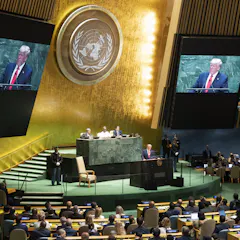
The US has historically asked for international support when brewing conflicts in the Middle East boiled over.
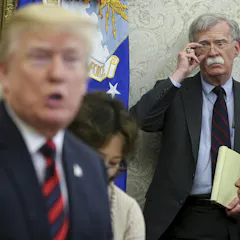
As US national security advisor, John Bolton was too much of a warmonger for Donald Trump.

Political leaders are ignoring dangerous threats to American national sovereignty, security and citizens’ peace of mind.
After Brexit, the UK will need to decide whether it supports EU diplomacy or US militarism.
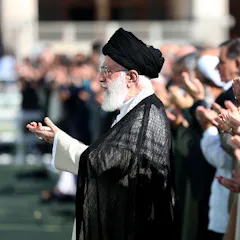
Donald Trump stepped back from launching US airstrikes inside Iran, but the conflict is unabated and there appears to be no way out of confrontation for now.
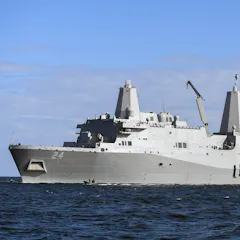
Both Iran and the US say they are not seeking a war, but it could happen by default.
Top contributors
-

Professor in The Division of Global Affairs and The Department of Political Science, Rutgers University - Newark
-
Professor of International Politics, Clinton Institute, University College Dublin
-
Professor in the Department of Government, University of Essex
-
Professor of International Relations, Royal Holloway, University of London
-
Adjunct Professor, Australia-China Relations Institute, University of Technology Sydney
-
Professor of Political Science, Boise State University
-
Emeritus Professor of International Relations, La Trobe University
-
Professor in International Politics, City St George's, University of London
-
Professor of Political Science, University at Buffalo
-
Professor of Political Science, Kansas State University
-
Professor of Political Science, Macalester College
-
Professor of the Practice of Political Science and International Relations, USC Dornsife College of Letters, Arts and Sciences
-
Professor of Peace Studies, University of Bradford
-
Tony Walker AM is a Friend of The Conversation.
Director, La Trobe University
-
Associate Professor in American and International Politics, University of Birmingham