
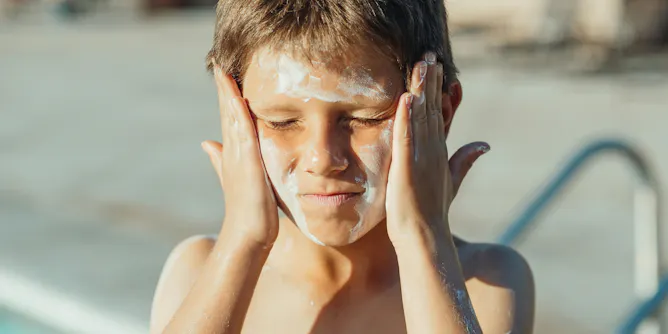
New analysis shows one in three ‘mineral-only’ sunscreens contain UV-absorbing chemicals.
Articles on Ultraviolet light
Displaying all articles

A big freckle or a sunspot? A flat mole or a dark freckle? Here’s how to tell the difference between the three – and when to get a spot checked for skin cancer.

Sun exposure can cause mutations that promote skin cancer. Getting them early in life means they have more time to overwhelm the body’s protective mechanisms.
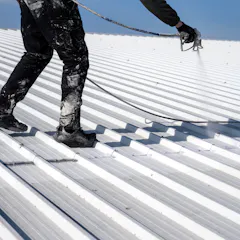
Light-coloured footpaths, roads and other surfaces are increasingly used to reflect the sun’s rays and cool our cities. But they also reflect cancer-causing UV radiation.
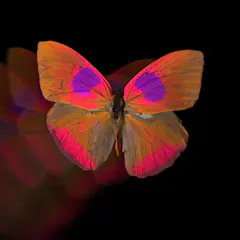
Humans can’t see ultraviolet light – but lots of other animals can.

After combing through museum collections, our team of researchers found a whopping 125 fluorescent mammal species – from polar bears and dolphins, to leopards, zebras and wombats.

Your faithful companion sees the world differently than you do, but it’s a mistake to assume dogs only see black, white and shades of grey.

Widespread screening for skin cancer may not be necessary, but it is important to understand the risks behind UV overexposure and to get checked early if you have concerns.

Orchids give nothing in return to pollinators, so how come they get visited by bees anyway? The answer is trickery and deceit.

Ultraviolet radiation at specific wavelengths is great at killing germs – but when used incorrectly, it can also cause health risks.
Our ancient ancestors didn’t have clothes or houses – but that constant exposure to the sun helped their skin protect itself from the worst sun damage.

While sunscreen has the potential to reduce skin cancer for light-skinned people, it has never been shown to do the same for Black people. Yet that distinction is lacking in public health messaging.
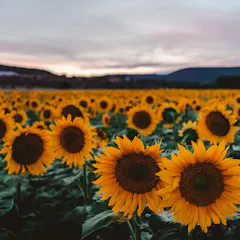
Sunflowers have hidden patterns of ultraviolet colours — visible to pollinators, these colours are due to the presence of pigments that also help plants retain moisture.

UV disinfection is a proven means of killing pathogens like the SARS-CoV-2 virus, but it’s not risk-free.

While sunscreen has the potential to reduce skin cancer for light-skinned people, it has never been shown to do the same for Black people.
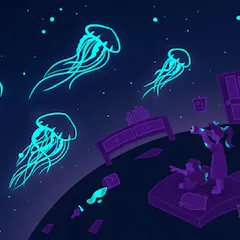
You can see glow-in-the dark paint, but if you touch it, it is just as cold as the bedroom wall. So the glowing of the paint is different to the glowing of a light bulb.

Energy from the sun’s rays can cause skin damage and cancers. Sunscreens can absorb or reflect the dangerous UV light. Here’s how it works.

Coating paper with an inexpensive thin film can allow users to print and erase a physical page as many as 80 times. That reduces both the cost and the environmental effects of paper use.

Melanoma, the deadliest form of skin cancer, can usually be cured when caught early. When it has spread, however, it becomes a challenge. Recent findings are bringing hope. Here are a few examples.

Orkney’s ultra-high incidence has been linked to the weak northern sun. So how come the more northern Shetlands are less afflicted?
Top contributors
-

Assistant Professor of Internal Medicine (Division of Dermatology), The University of Texas at Austin
-
Professor of Chemistry, UNSW
-
Professor of Chemistry, University of California, Riverside
-
Lecturer in Immunology, Edinburgh Napier University
-
Research Chemist, University of California, Riverside
-
Professor of Pharmacology and Toxicology, Michigan State University
-
Professor of Photovoltaic and Renewable Energy Engineering, UNSW
-
Uppsala University
-
Honorary Adjunct Associate Professor, Health Sciences and Medicine, Bond University
-
Professor of Chemistry, UNSW
-
Assistant researcher, Bond University
-
Curator of Mammals, Western Australian Museum; Curtin University
-
Senior Lecturer, Curtin University
-
Associate Professor, Genomics and Molecular Biology, Biomedical Sciences, Bond University; Murdoch University
-
Associate Professor of Chemistry, UNSW