

While automobile manufacturing and steel steal the headlines, the critical minerals and energy sector is now coming centre stage in the CUSMA review.
Articles on Trade agreements
Displaying 1 - 20 of 26 articles
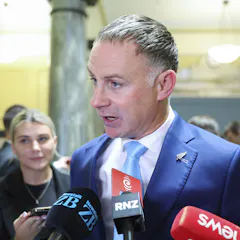
New Zealand justifies its weakened climate policies as necessary to boost the economy, but it may come at a cost to international trade.
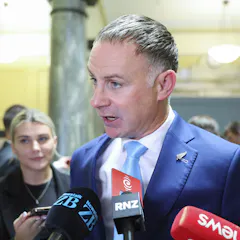
The government’s weakened methane reduction target mirrors the approach promoted by industry lobby groups but rejected by the Climate Change Commission.

The U.S., Canada and Mexico will continue to sign trade and economic agreements, but these pacts won’t deliver the certainty and protection enjoyed for three decades prior under the former NAFTA.
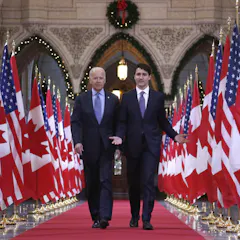
Closer political ties between Joe Biden and Justin Trudeau likely means a more constructive and co-operative approach to solving challenges between the two countries in the agri-food sector.
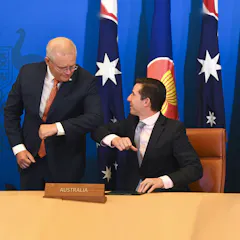
Australia and other governments refused to release the text until after it was signed on Sunday. It’ll do little for Australian trade.
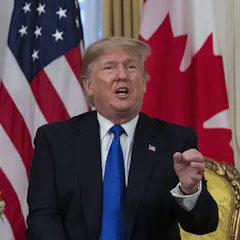
Canada’s free-trade obsession has made us overly reliant on global supply chains. That’s a huge unforced error given that 19 years ago, 9/11 showed us just how quickly border policy can change.

Investor State Dispute Settlement Procedures open the prospect of legal cases it would cost Australia millions to defend.
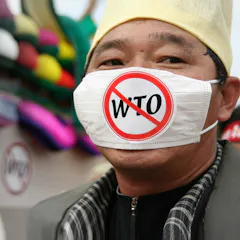
We are about to go from having rules that overreached to having few rules. The US, China and the EU will be able to act with impunity.
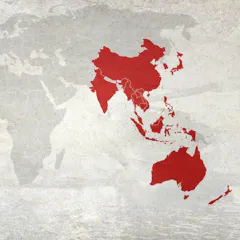
The biggest barrier to Australia and much of the rest of the world signing up to the world’s biggest trading bloc appears to have been removed.

Australia comprehensively defeated the tobacco giant, but is left with a multi million dollar bill.

It’s not at all certain what’ll happen, so business is taking no chances.
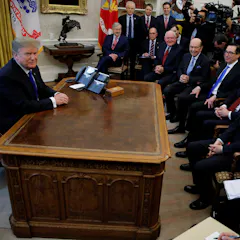
American and Chinese trade negotiators are pushing hard to get a deal, but a major sticking point remains: ensuring China honors any promises it makes.
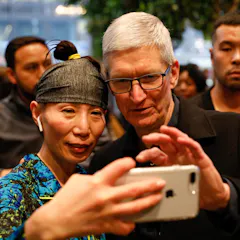
The president launched a trade war largely on the premise of a massive trade deficit with China. A closer look at the iPhone shows why he’s wrong.
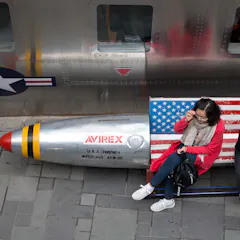
The $60 billion in tariffs targeting China not only risks sparking a trade war, they represent a rejection of the WTO’s much more effective way of dealing with unfair trade practices.
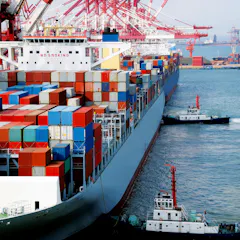
Leaving the EU single market and customs union cannot be compensated for by free trade agreements with other countries.

American lawmakers in the 1930s learned the hard way what happens when a country raises tariffs and makes other unilateral trade decisions.
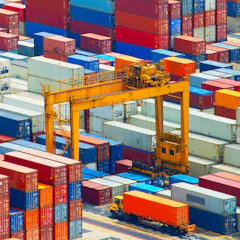
Major nations make labour rights a key part of trade deals. But what happens next?
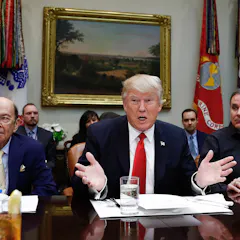
The Trump administration’s new deal with China, which won’t benefit many workers, shows the pitfalls of pursuing bilateral agreements at the expense of multilateral ones like NAFTA.
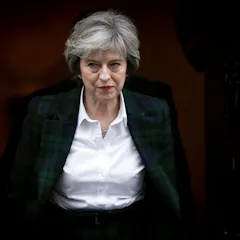
The UK prime minister is squaring up to European negotiators in pledging a hard Brexit. But is she overplaying her hand?
Top contributors
-

Honorary research associate, University of Sydney
-
Associate Professor of Political Science, Georgia State University
-
Associate Professor of Political Science, Brock University
-
Senior Lecturer in EU and International Economic Law, Queen's University Belfast
-
Senior Analyst, University of Pretoria
-
Associate Professor of Economics, Dartmouth College
-
Professor of Law, King's College London
-
Lecturer in Organisation and Management, University of Liverpool
-
Professor of Criminal Law and Criminology, University of Sussex
-
Researcher, International Growth Centre
-
Senior Lecturer in Economics, Aston University
-
Senior Lecturer in International Business, University of Liverpool
-
Research Professor of Business, University of California, Irvine
-
Professor of Information Studies, Syracuse University
-
Assistant Professor of Economics, University of California, Merced