
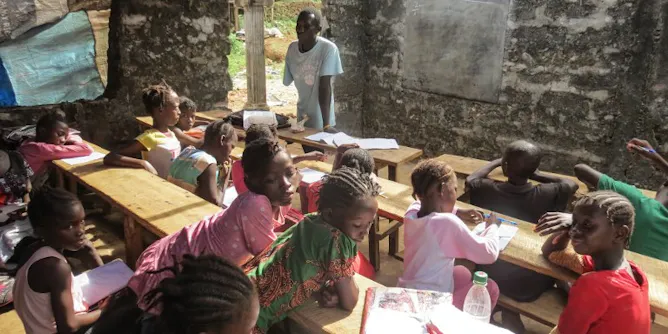
About 263 million children and youth worldwide are out of school. If some progress have been made, especially on school attendance, huge gaps remain on gender parity or equity in schooling choices.
Articles on Tanzania
Displaying 261 - 280 of 351 articles
New ways of managing water have emerged in some of Africa’s urban and peri-urban areas.
Information about the threats facing Lake Victoria and how they’re perceived are crucial to reverse the damage that’s been done.
Technology is changing how plant diseases are recognised and dealt with by small scale farmers in Africa.
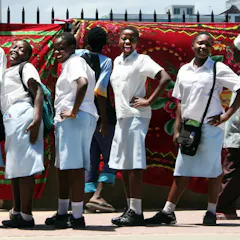
Tanzania’s laws about forcing girls to leave school if they’re pregnant are out-dated and miss the point.

Wild chimpanzees are hard to find, but their DNA – left-behind genetic traces – are opening up a new way of studying them.
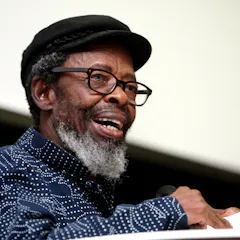
Keorapetse Kgositsile was made South Africa’s national poet laureate in 2006, the only person to have been given the honour.

Does corruption means the same for everyone? Some social researchers argue that corruption is a social construct shaped by Western anti-corruption elites.
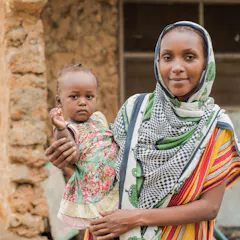
NGOs (non-government organizations) run by women in India and Tanzania fuel the success of development projects, but the women are too easily marginalized once the projects get off the ground.

Epidemiologists and public health managers are looking to complement indoor-based malaria solutions with those that focus on the outdoors. Drones are a crucial part of their armoury.

New research shows just how bad tobacco farming can be for the environment and for farmers.
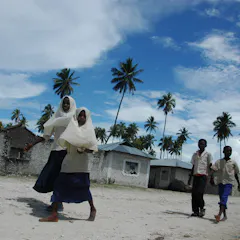
Creating more opportunities for young women and girls to work and earn money is a possible solution to early marriages. Subsidising secondary education to keep poorer girls in school is another.

In a remarkable extension of technological leapfrogging, Somaliland will become the first country in the world to use iris recognition in a presidential election.
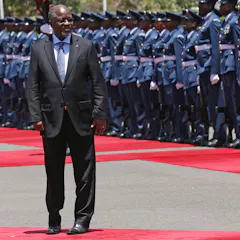
Tanzania’s President John Magufuli has brought dramatic change and his intolerance for corruption won him worldwide admiration. But his repressive means to stay in power are being questioned.
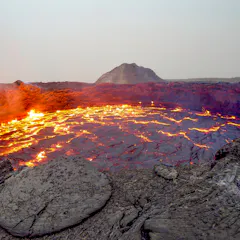
Satellite research in Ethiopia is opening up a new frontier in the hunt for geothermal power.

How can we understand each other, especially when stereotypes cloud our view? An ethnographic movie captures a sense of the ‘other’ in an encounter between Maasai villagers and Dutch tourists.
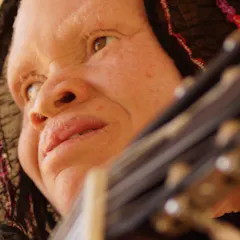
Singing, music, films and dances are crucial in promoting and protecting the human rights of Africans with albinism.
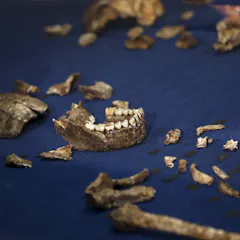
A rush of ancient DNA projects in Africa has presented the curators of archaeological skeletons with ethical issues because research requires the destruction of human bone.
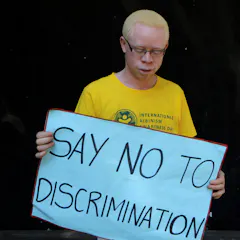
An upcoming UN meeting on witchcraft and human rights in Geneva is set to focus on the rising attacks on Albinos and the trade of body parts in sub-Saharan African.
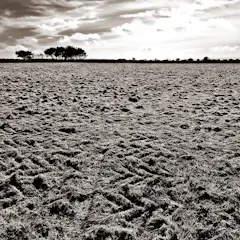
Mapping the soil with open source application is vital to understanding how to protect it.
Top contributors
-

Researcher, United States International University
-
Lecturer, Tumaini University Makumira
-
Assistant professor, University of Sussex
-
Post-Doctoral Research Fellow, SARChI in Higher Education and Human Development Research Group, University of the Free State
-
PhD Candidate, Department of Political Science and Public Administration, University of Nairobi
-
Senior Lecturer in Politics and International Relations, University of East London
-
Professor of Democracy, University of Birmingham
-
Research Associate Plant Systematics, Bayreuth University
-
Associate Professor of International Studies, University of Nottingham
-
Lecturer in Wildlife Conservation
-
Professor of French and Critical Disability Studies, Lancaster University
-
Asso. Professor in Anthropology, University College London, UCL
-
Professor of Disease Ecology and Public Health, University of Glasgow
-
Senior Lecturer in Social Work, Australian Catholic University
-
Researcher, SAMRC/Centre for Health Economics and Decision Science- PRICELESS SA, University of the Witwatersrand