
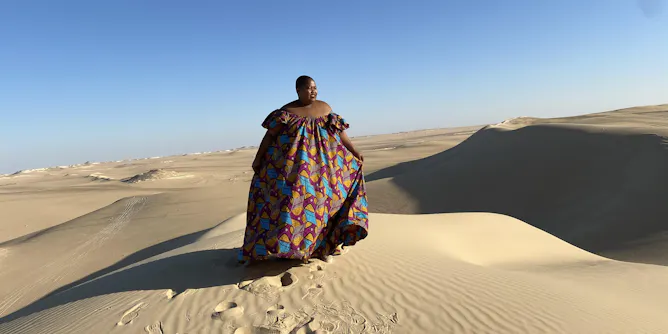
The solo journey of a queer, black woman across the continent makes fascinating reading.
Articles on South African writers
Displaying 21 - 38 of 38 articles
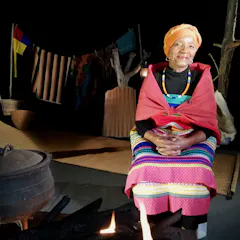
From domestic worker to matriarch of South African literature, the book is a reflection on her writing journey.
The activist and writer has been erased from South Africa’s history - but new academic work seeks to restore his voice.
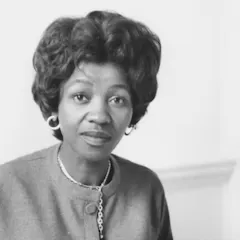
These columns demonstrate that Noni Jabavu’s concerns from 1970s are still relevant today.
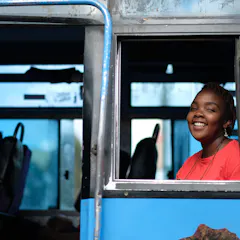
These vibrant writers embrace the open road and claim spaces that were denied them during apartheid.
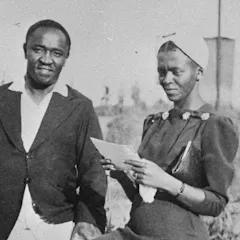
A powerful new book restores the writer and feminist politician to her rightful place in history.
Challenging myths about heterosexual white South African men, Prinsloo published four books of short stories in 12 years.
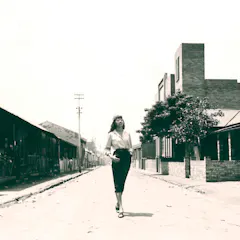
The Drum journalist was a rare woman in a male-dominated world. Her autobiography has now been published after her death.
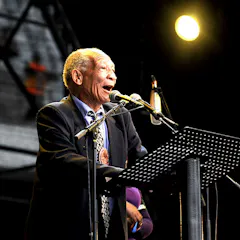
A true African poet, Don Mattera was at the centre of public life, an advocate for change and an enemy of elitism.

Buys, the award-winning novel by Willem Anker, uses lines without credit from the Irish writer - not the first such literary controversy it has raised.
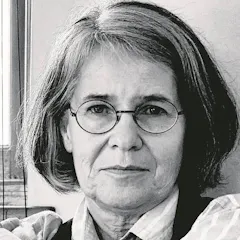
The famous writer turns 70 this year. She is driven by how South Africans see and hear one another.
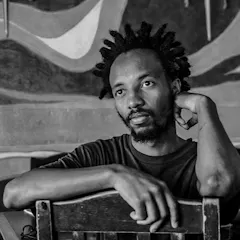
His major work The Quiet Violence of Dreams is about a young man undergoing a mental breakdown, something that the novelist also experienced.
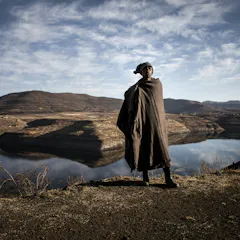
Set in the music wars of Lesotho, the new novel by the South African author tells of a wandering minstrel whose hit song leads to his downfall.
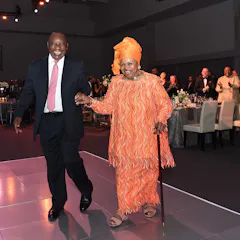
For her, art was a weapon in the struggle and a tool for education. She used every opportunity to build movements and to archive experiences in writing.
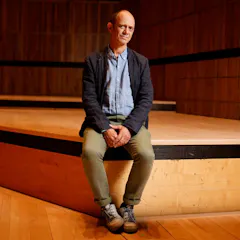
Will white South Africa ever give up part of its privilege? This is the contentious issue at the heart Damon Galgut’s Booker Prize-winning novel.
The shocking story at the centre of When the Village Sleeps is as heartbreaking as it is - ultimately - full of hope.
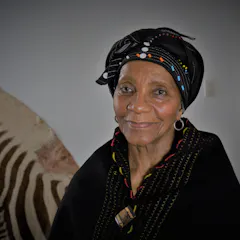
A literary icon, her autobiographies offer a way of understanding the country’s brutal past in order to heal and move forward.
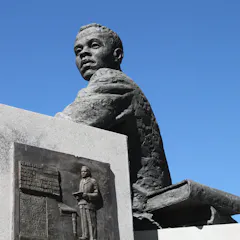
According to a new book, the friendships among women in the novel reveal its author Sol T. Plaatje’s view of effective political struggle.
Top contributors
-

Research Associate, University of Johannesburg
-
Research Associate, Humanities Research Centre (and African Literature Department, University of the Witwatersrand), University of York
-
Senior Lecturer in International Political Economy, University of Manchester
-
Adjunct Professor, Richmond American International University
-
Assistant Professor, Harvard University
-
Lecturer, University of the Witwatersrand
-
Senior Lecturer in Creative Writing, Adelaide University
-
Senior Lecturer in English, University of the Western Cape
-
Poet and lecturer in Creative Writing, University of the Witwatersrand
-
Professor of Creative Writing and English Literature, University of the Western Cape
-
Associate Professor of History, Director of the Center for African Studies, Stanford University
-
Senior Lecturer, South African College of Music, University of Cape Town
-
Lecturer, University of Cape Town
-
Postdoctoral Fellow, Nelson Mandela University
-
Chief Albert Luthuli Research Chair, University of South Africa