
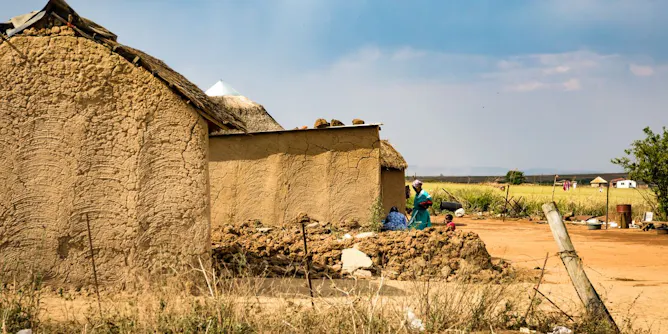
There is no single pathway from small-scale farming to improved livelihoods.
Articles on Small-scale farmers
Displaying 1 - 20 of 23 articles

Through collaboration and resource sharing, smallholder rice farmers can enhance their productivity and achieve a fully mechanised farming system.

We know industrial farming needs to change. But regenerative agriculture may not be the transformation our global food system needs.

The herbicide revolution reduces the availability of edible weeds, which may undermine food and nutrition security.
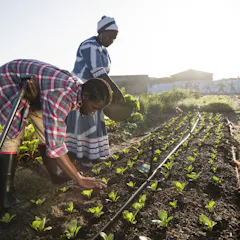
South Africa needs a more holistic approach to farming systems.
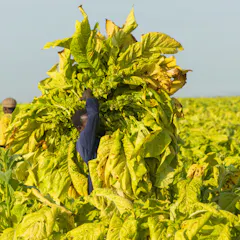
The state controls and regulates small farmers’ environmental practices without addressing what forces them to follow these practices.
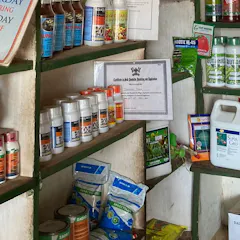
The internet and smartphones have enabled customers to make more informed choices by using sites where customers share their experiences.
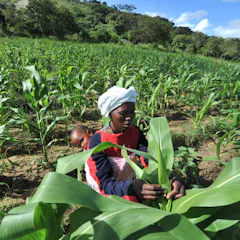
Insurance, stress-tolerant seeds and tailored credit can make smallholder farming profitable.
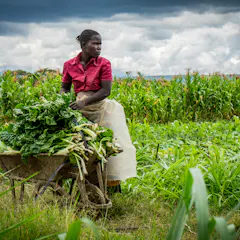
A new study faults a well-established concept that informs land-use policies in developing countries.
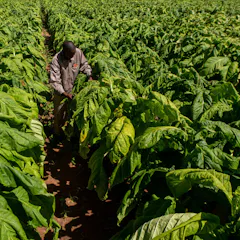
The focus of climate talks has been on how little time is left is for global action. But climate change has already made tobacco farming, potentially a route out of poverty, unviable for some.
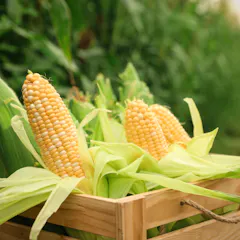
Zimbabwe’s 2021 bumper harvest is a welcome development but, it’s important to know what’s behind this success and what challenges remain.
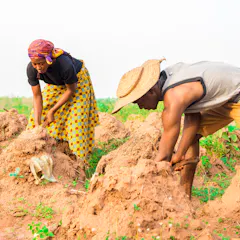
Sustainable financial inclusion in Nigeria requires interventions that strengthen financial capability, participation and well-being of small-scale farmers.
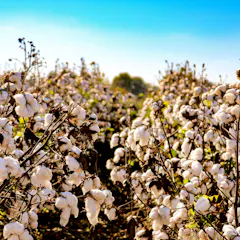
Burkina Faso’s genetically modified cotton success narrative was built on studies with methodological problems.
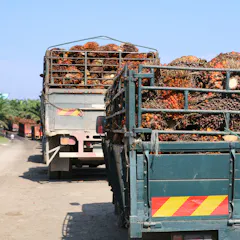
There are studies showing that farmers can have economic benefits from palm oil. However, they can also be impoverished by the commodity.
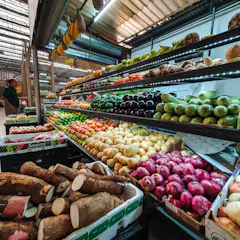
The interplay of poverty, inequality, urbanisation and the industrial food system leaves low-income families with limited access to fresh, healthy foods.

CC BY-NC-ND6.4 MB (download)
Developing countries present an opportunity for agroecological innovations to help small-scale farmers.
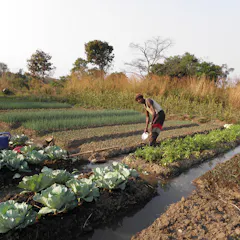
The green revolution: small-scale, informal irrigation is expanding in Zimbabwe and small scale farmers are leading the way.
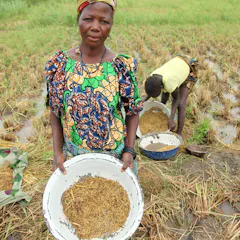
Nigeria’s agricultural sector simply isn’t equipped to produce the amount of rice to meet demand.
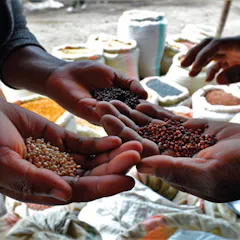
Developing countries could leapfrog industrial agriculture systems by moving to agroecology.
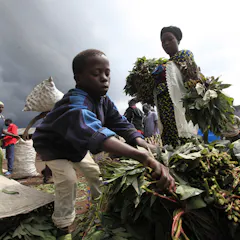
Technology is changing how plant diseases are recognised and dealt with by small scale farmers in Africa.
Top contributors
-

Professor and DSTI/NRF SARChI Bio-economy Research Chair, University of Cape Town
-
Associate professor, University of Gothenburg
-
Associate professor, Global Change Institute, University of the Witwatersrand
-
PhD Candidate in Development Studies, Institute for Social Development, University of the Western Cape
-
Senior Research Associate, University of Johannesburg
-
Professor of Economics and Canada Research Chair in Macroeconomics and Productivity, University of Toronto
-
Postdoctoral Researcher, Penn State
-
Associate Professor of Entomology and Biology, Penn State
-
Professor of Agricultural and Resource Economics, University of California, Davis
-
Research Fellow, CGIAR
-
Professor, School of Environment, Education and Development, University of Manchester
-
Senior lecturer, University of Ghana
-
Reader, Dept. of Agricultural Economics and Farm Management,College of Agricultural Management and Rural Dev, Federal University of Agriculture, Abeokuta
-
Researcher/Lecturer, University of South Africa
-
University of Hohenheim