

This show has lots to say about the confusing time of life in your 30s, when some friends are settling down while others have just booked tickets for a pagan festival.
Articles on Sitcoms
Displaying all articles

Norman Lear brought the first nuclear Black family to prime-time television in 1974.
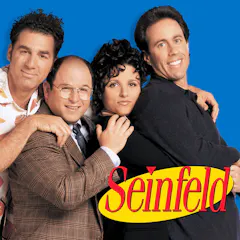
The 90s sitcom featuring Jerry Seinfeld influenced the type of cinematic television we are so familiar with nowadays.
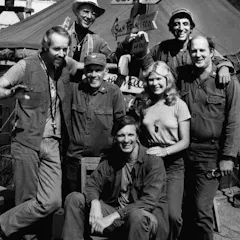
MASH was designed as a ‘black comedy’ set during the Korean War. It was really a thinly veiled critique of the war in Vietnam, which was raging at the time.
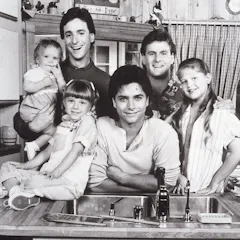
A contrast to the bumbling and immature fathers commonly found on sitcoms, Bob Saget’s character on ‘Full House’ reflected a shift in expectations of fatherhood that began in the late 1970s.
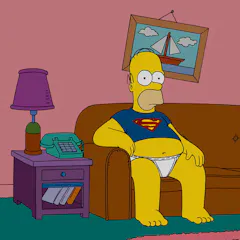
Dads are taking parenting much more seriously. But according to a study of sitcoms, the stereotype of the foolish father remains stubbornly in place.
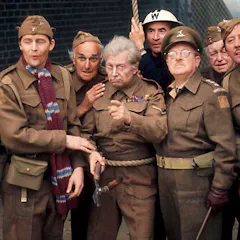
In times like these, sometimes having a good laugh is the only thing to do.

Since ‘Friends’ premiered 25 years ago, both the television industry and the sitcom genre have undergone huge transformations.

In the year 1984, there was self-congratulatory coverage that the dystopia of the novel had not been realized. However, an expert argues that the technologies described in the novel are here and watching us.

Climate change is mentioned in British television about as often as zombies.
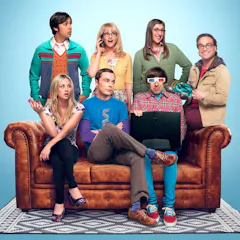
A physicist reflects on the show’s made-up Nobel Prize-winning theory of ‘super asymmetry’ along with how the series showcased authentic science and role models for future STEM students.

‘Will & Grace,’ ‘The X-Files,’ ‘Fuller House,’ ‘Arrested Development’ – the list goes on. If we’re in the midst of a TV renaissance, why are networks and their viewers looking to the past?

The decision to cancel the series – and remove it from air in Australia – demonstrates there is a clear line that even money can’t cross.
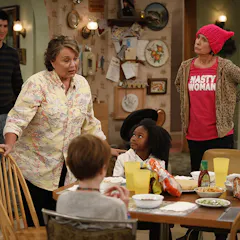
When it debuted in 1988, Roseanne was a breath of fresh air against the conservative middle class family sitcoms then on air. Its reboot in 2018 feels just as relevant.
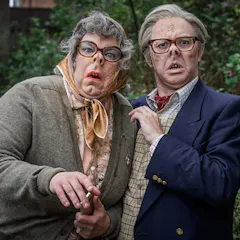
Humour doesn’t often age well. But some comedy can adapt to changing social mores.

Guz Khan manages to set up his gags so that we laugh with him, not at him.

In his recent Ronnie Barker Memorial Lecture, the comedian and writer said social media and technology are killing traditional TV comedy. Not so.
Top contributors
-

Associate Professor in Media, University of Technology Sydney
-
Senior Lecturer in English Literature and Film, Manchester Metropolitan University
-
Lecturer in Sociology, Cardiff University
-
Instructional Associate Professor, Texas A&M University
-
Lecturer in Performance, University of Salford
-
Professor of Physics and Astronomy, Northwestern University
-
Associate Professor of Child Development and Family Studies, West Virginia University
-
Senior Lecturer, Media Studies and Production, University of Southern Queensland
-
Assistant Professor Visual Media Arts, Emerson College
-
University of Winchester
-
Professor of Film Studies, Bangor University
-
Assistant Professor of Cinema and Media Studies, University of Washington
-
Professor of Film and Television Writing, Emerson College
-
Principal Lecturer in Psychology, University of Brighton
-
Associate Professor of Popular Culture, Bowling Green State University