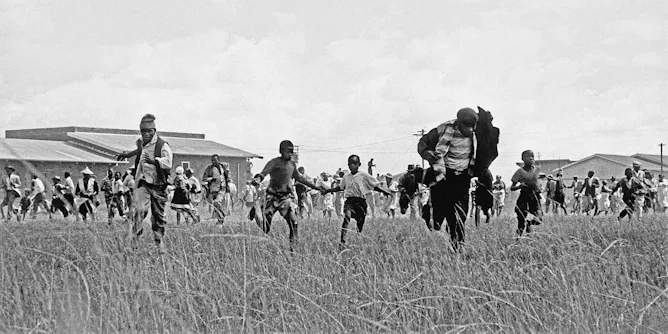
Ian Berry’s photographs of the Sharpeville massacre provided evidence of a crime against humanity.
Articles on Sharpville Massacre
Displaying all articles

Robert Sobukwe was committed to individual rights, a key tenet of liberalism.
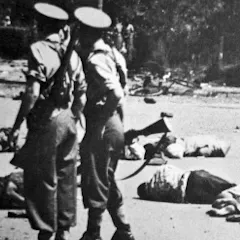
Despite its historic importance, Sharpeville itself has remained unknown and its residents anonymous, yet they have a story to tell.
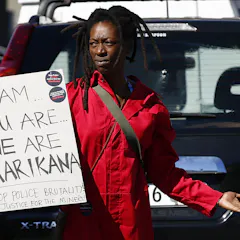
Individual beliefs about the past and its relevance to the present strongly influenced awareness of the Marikana tragedy.
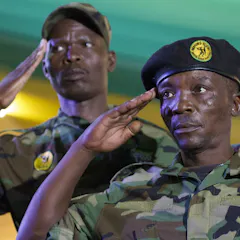
The dismantling of the liberation armies and that of the apartheid state was managed badly. It left in its wake thousands of angry veterans who felt betrayed.
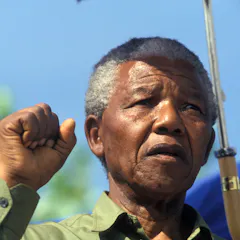
The suggestion that Mandela single-handedly achieved democracy is as intellectually threadbare as the charge that he was centrally responsible for the failure to transform South Africa.

The low levels of familiarity with key historical events indicate that there are serious shortcomings in the development of national collective memory in South Africa.
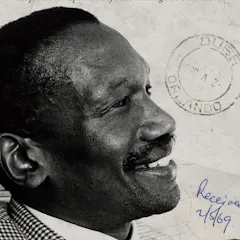
A collection of prison letters provides a peek into the suffering of South African liberation hero, Robert Sobukwe.

Factions within South Africa’s ANC nostalgically point to the example of Oliver Reginald Tambo whose seen as an exemplar of integrity, personifying an ideal leader who served the party selflessly.
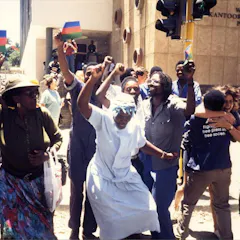
Namibia contributes a positive image to Africa in governance and other indicators. But the reality for most of the country’s 2.3 million people isn’t quite as rosy.
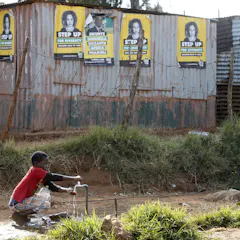
As South Africa marks Human Rights Day and the 20th anniversary of its constitution it’s a good time to reflect on the problems it faces in making constitutional rights a reality.
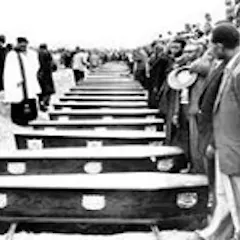
Besides a reminder of a dark period in South Africa’s history, Human Rights Day also celebrates the country’s unique, highly acclaimed constitution which guarantees human dignity and equal rights.
Top contributors
-

Chief Research Manager, Human Sciences Research Council
-
Chief Research Specialist., Human Sciences Research Council
-
Research Director: Developmental, Capable and Ethical State (DCES) research division, and Coordinator of the South African Social Attitudes Survey (SASAS), Human Sciences Research Council
-
Distinguished Professor and H F Oppenheimer Chair in Human Rights Law, Stellenbosch University
-
Professor of Sociology in the Department of Sociology and Social Anthropology., Stellenbosch University
-
Professor Emeritus of History, University of California, Los Angeles
-
Dean and Professor Emeritus, Louisiana State University
-
Honorary Fellow of Green Templeton College, University of Oxford
-
Professor, University of Oxford
-
Associate professor of Psychology, Duquesne University; Independent Social Research Foundation
-
Chief Research Specialist, Human Sciences Research Council
-
Research Fellow, University of Cape Town
-
Researcher and founder member of the History Workshop, University of the Witwatersrand
-
Senior Lecturer (Radical Humanities Laboratory, University College Cork), University College Cork
-
Extraordinary Professor, Department of Political Sciences, University of Pretoria