
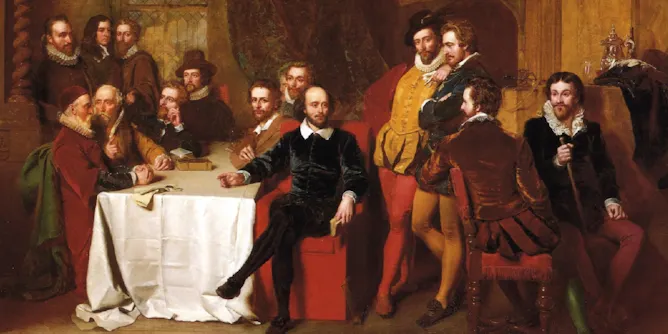
How one man’s death has somehow overshadowed the lives of many other crucial thinkers and writers of Shakespeare’s day.
Articles on Shakespeare
Displaying 161 - 180 of 216 articles
At the 400th anniversary of his death, Shakespeare’s still full of surprises.
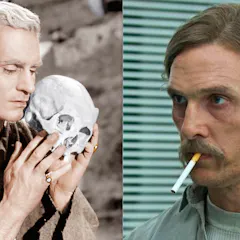
The psychological complexity of Shakespeare’s characters has rendered them timeless. Today, we see The Bard’s influence in shows like ‘Breaking Bad’ and ‘True Detective.’
Many must wish that Shakespeare’s final words to posterity consisted of something more than a curt demand to be left alone.
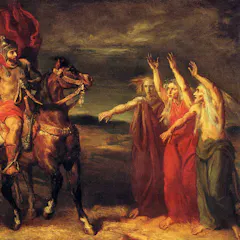
Hamlet begins with a ‘night of the living dead’; Banquo turns into a ghost . The Bard had a supernatural streak and it was crucial to the genesis of Gothic literature.

Thespians of old playing the Globe Theatre would have walked past the Bankside bear-baiting ring on their way in.
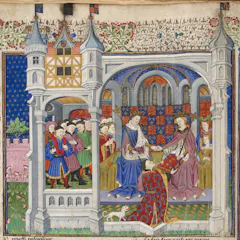
Margaret of Anjou can still speak to modern women in power today.
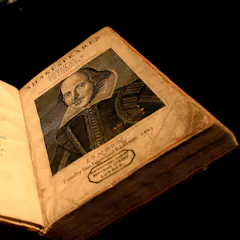
A copy of Shakespeare’s First Folio of plays has been found in Scotland. While this is good news, a staggering 744 plays from Shakespearian London - at least two of them written by the Bard - remain lost.
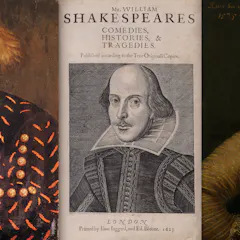
Shakespeare’s use of dialect is a key argument used by those who stand by the traditional author. But these so-called “Warwickshire dialect” words are nothing of the sort.

Robots can explore where humans fear to tread.
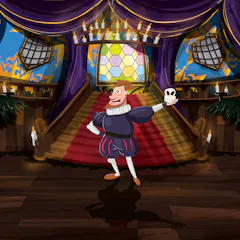
Stratford-upon-Avon is beginning to resemble Disneyland.
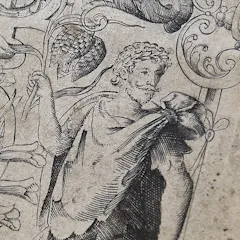
While London and Stratford-upon-Avon go into meltdown over the upcoming anniversary of Shakespeare’s death, a new production – shown recently in Western Australia – is worth looking at closely.
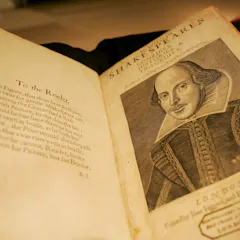
A 400-year-old poem offers yet more evidence to suggest that William Shakespeare may have found at least some of his inspiration in cannabis.

Lear’s mordant images and sonorous cadences throb with dire warning and a sense of imminent catastrophe. So what’s the play’s key message, for current times, with Geoffrey Rush in the title role?
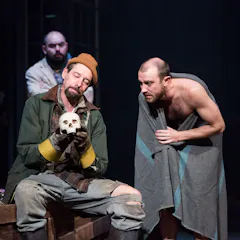
Hamlet is a play that haunts itself. Its saturation into cultural consciousness means that watching a performance is inevitably a process of past ghosts and past echoes framing the current performance.
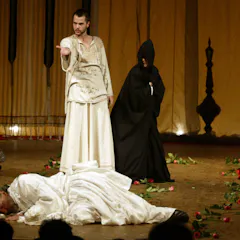
For whatever reason, objections don’t seem to crop up when directors tinker with the setting, costumes and conceptualizations of Shakespeare’s plays.

Is there value in reviving Western classics in post-colonial (South) Africa? Is this not perpetuating Western cultural imperialism?

Shakespeare’s plays have kept “this glorious and well-foughten field” alive, championing its power as a myth of national unity and heroism.

The Melbourne Festival production of Desdemona, written by Toni Morrison and with music by Malian songstress Rokia Traore, puts the women of Shakespeare’s Othello centre stage.
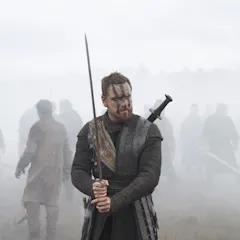
Shakespeare cast the Scottish king as the ultimate villain, but you shouldn’t believe everything you see on stage or screen
Top contributors
-

Lecturer in English, Australian National University
-
Lecturer in English and Writing, University of Sydney
-
Professor of Drama and Theatre Studies, Royal Holloway, University of London
-
Tomlinson Professor of Shakespeare Studies, McGill University
-
Rachel Hadas is a Friend of The Conversation.
Professor of English, Rutgers University - Newark
-
Leverhulme Early Career Reseach Fellow, University of Warwick
-
Professor of English, University of Newcastle
-
Professor in English Literature and Cultural Studies, University of Southern Queensland
-
Honorary Associate in Creative Writing, The Open University
-
Professor of Shakespeare and Early Modern Drama, The University of Melbourne
-
Associate professor, University of the Witwatersrand
-
Emeritus Professor of Shakespeare Studies, University of Birmingham
-
Professor of Creative Arts, Griffith University
-
Research assistant, Empire, Migration and Belonging, University of Oxford
-
Lecturer in Politics and International Relations, University of Sydney