

When bats disappear, farms become less productive, and that has broad implications far beyond the crops.
Articles on Rural economy
Displaying 1 - 20 of 24 articles
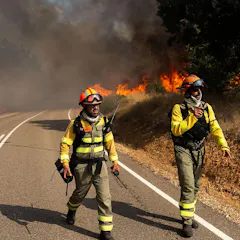
Proper forest management can boost rural economies, and prevents fires from starting in the first place.
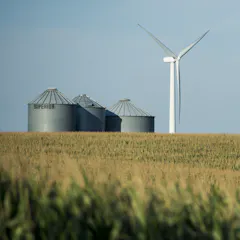
Rural counties also benefit in jobs, manufacturing and tax revenue that will be hard to replace as the US government slashes support for the industries.

Many small towns rely on one major industry and can face long-term existential shocks if that industry fails. Biden’s attempt to reposition rural economies for the future missed a crucial factor.
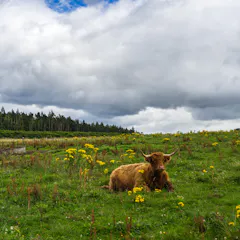
Tax relief may acutally have made it more expensive for farmers to buy more land to expand their business.
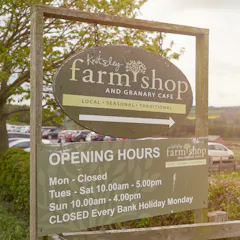
Rural firms face more risks from climate change than urban competitors, but helping them to innovate could reap rewards for the whole economy.
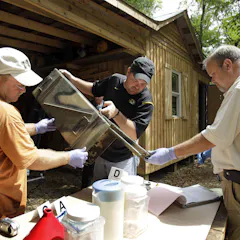
An anthropologist who wrote a book exploring meth’s impact on rural communities explains what drove the epidemic and how it’s changed.
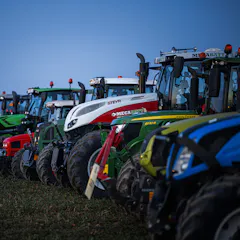
Green reforms are piling additional pressure on farmers struggling to make ends meet.
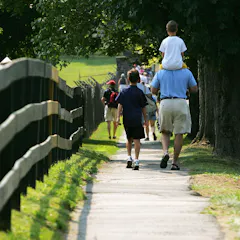
If rural communities plan carefully – and some already are – they can reinvent themselves as the perfect homes for people fleeing wildfire and hurricane zones.
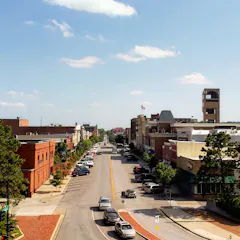
A federal proposal could effectively reclassify the homes of millions of Americans as rural, not urban – without anything actually changing about their communities.
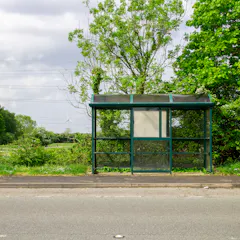
The pandemic will have a long-term impact on life in the countryside.
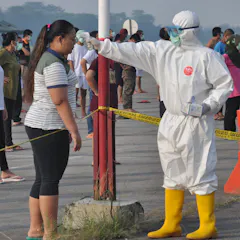
Migrant workers’ families suffer from limited access to pandemic-related health care and loss of income.
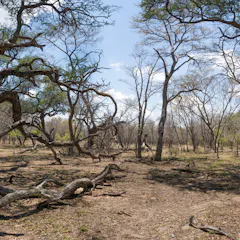
Zimbabwe’s policy makers believe that deforestation is a threat to the economy, but citizens believe environmental degradation is an outcome of the country’s dire political and economic situation.
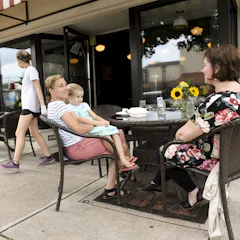
Local leaders and business owners have had to get creative to help their residents stay healthy and keep community economies going.
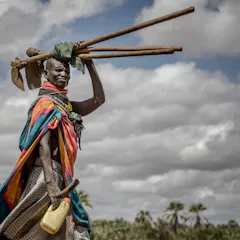
A consistent, predictable and friendly policy environment can attract private sector investments in agriculture to drive transformation.
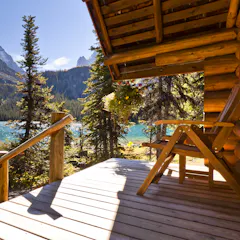
Conflicts between seasonal property owners and year-round rural residents are highlighting the fault-lines between the “right to be rural” and “disaster gentrification.”
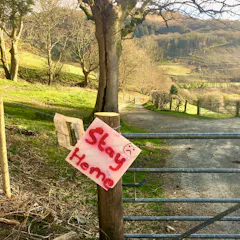
Perhaps this crisis will focus minds on the problems caused by neglecting rural areas.
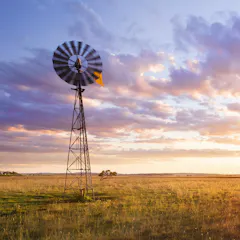
Migrants who’ve settled in regional Australia find jobs, get on with the locals and feel safe. So the government wants to know how to encourage more migrants to move there.

A greater focus on the well-established migrant populations and second-generation youth is crucial when planning for the social and economic well-being of rural and regional areas.
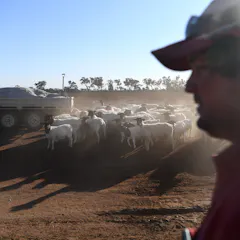
Rural and regional Australia is a big and diverse place, but some broad common issues do emerge as policy priorities.
Top contributors
-

Senior Research Fellow, Victoria University
-
Professor of Economics, University of the Western Cape
-
Director, The Cairns Institute, James Cook University
-
PhD Candidate, Art History, Concordia University
-
Professor of Social Economics, UTS Business School, University of Technology Sydney
-
Professor of Regional Economic Development, Northumbria University, Newcastle
-
Director and Primary Researcher, Fred Carl Jr. Small Town Center; Adjunct Professor of Architecture, Mississippi State University
-
Senior Research Fellow, University of Gloucestershire
-
Senior Lecturer, Department of Political Science, Universitas Brawijaya
-
Professor of Law, Politics and Society, Drake University
-
Assistant Professor of Education, Southern Oregon University
-
Senior Research Associate, University of Johannesburg
-
Senior researcher, Universitas Brawijaya
-
Postdoctoral Research Associate, Brandon University, University of Guelph
-
Professor, Centre of Policy Studies and the Impact Project, Victoria University