
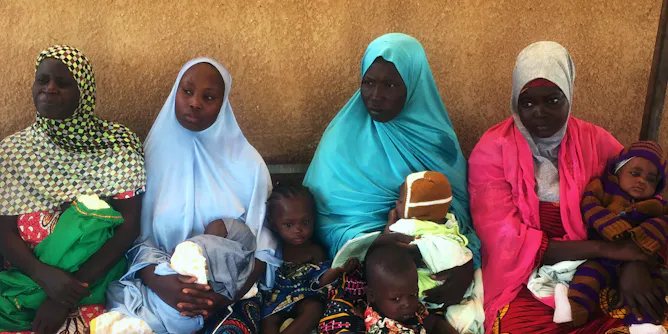
Research shows that unrest, even terrorism, can erupt in poor countries with a surplus of young people and not enough jobs. Can Niger, a once-peaceful sub-Saharan African nation, handle its baby boom?
Articles on Roots of radicalisation
Displaying all articles
And it’s not just Muslims who need to start them.

Many of us go through periods of radicalisation – spotting when this is a danger rather than over-reacting is the key.
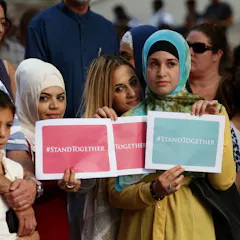
A struggle is underway for the heart and soul of Islam. Moderate Muslims need to engage in the contest to ensure their view of Islam is the one that prevails.
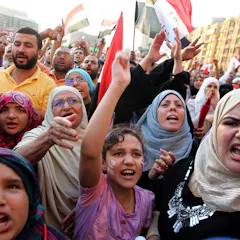
People sometimes overlook their profound differences if social forces unite them in a common, often ill-defined desire. Hostility to Muslims is creating an imagined solidarity that Islamists can exploit.
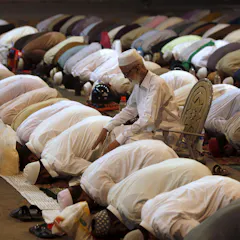
Fundamentalists become warriors with a simple message of salvation that is found in a naïve and literal interpretation of ancient, sacred texts.
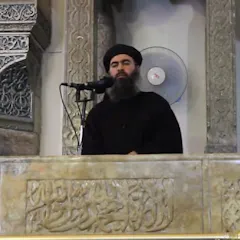
The Caliphate has inspired disputes among Muslims for centuries, but attempts at revival in modern times are unlikely to succeed. Most of the world’s Muslims would not accept its authority over them.
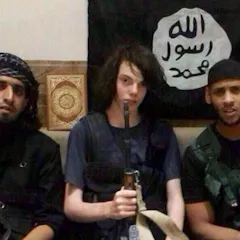
Introducing new curriculum requirements to teach young people about specific issues or requiring teachers to look out for signs of radicalisation are just as likely to have little or no impact if not supported by evidence.
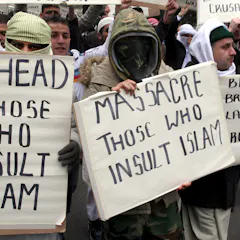
Islamic State is symptomatic of a disturbed and troubled social order. The vast crisis of dislocated people and communities is being expressed in anger, intolerance and perverted notions of honour.
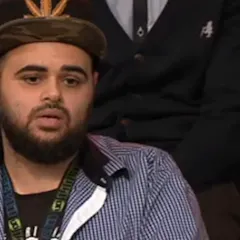
It is important that we do not entirely dismiss Zaky Mallah’s comments on Q&A. He sheds light on a seductive mechanism for young Muslims that is real.
Top contributors
-

Senior Lecturer in Islamic Studies, University of Birmingham
-
Associate Professor of Religious Studies, Western Sydney University
-
Lecturer in Traditional Islamic Studies, Charles Sturt University
-
Lecturer, Department of Social Inquiry, University of Technology Sydney
-
Professorial Fellow, School of Arts and Humanities, Edith Cowan University
-
Professor of Psychology, Professor of Music (rtd), University of Sydney
-
PhD Researcher, International and Political Studies, School of Humanities and Social Sciences, UNSW
-
Associate Professor, School of Criminology, University of Leicester
-
Associate Lecturer, Australian National University; Deakin University
-
Research Associate, Policy Evaluation and Research Unit, Manchester Metropolitan University
-
Adjunct Professor, Georgetown University School of Nursing and Health Studies, Georgetown University