

A large trial found no evidence that Hepa air filters reduce respiratory infections in care homes, challenging assumptions about their role in infection control.
Articles on Respiratory infections
Displaying 1 - 20 of 23 articles

This recent study highlights just how great of an affect viral infections can have on our health in both the short-term and long-term.
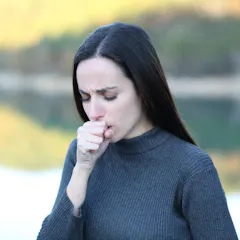
An outbreak of HMPV has caused panic in some quarters. Here’s what you need to know about the seasonal virus.

Cases of valley fever are typically most prevalent in California’s Central Valley and southern Arizona, but they have been increasing in California’s central and southern coastal areas.
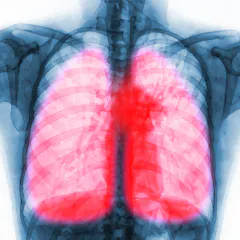
Researchers developed a new mouse model that replicates long COVID-19 more accurately than current models. Their findings could lead to new treatments.
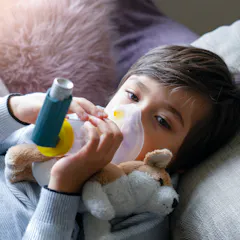
RSV is most common in kids under 5. Research suggests it could cause asthma, but we need to know more.

People who use their voice a lot for work are usually eager to get back to normal – and are more likely to force their voice before it’s ready.

At the moment, a child’s access to certain shots can differ depending on whether they live in Queensland or Tasmania.

COVID isn’t the only respiratory disease to leave the patient with long-term symptoms. Colds and flu can do the same.

It can be difficult to an appointment to see your GP. So when should you make the effort to see a GP for a prescription for influenza antivirals? And how effective are they?

Knowing if you have COVID or the flu can affect when you get vaccinated, need a particular antiviral, or if you need to work from home. But these combination tests can be expensive.

Some coughs can last for weeks or even months following an upper respiratory infection. The good news – albeit not very satisfying – is that most eventually go away on their own.
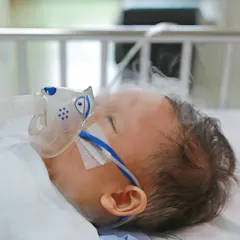
Respiratory viruses are hitting young children and infants particularly hard this fall and winter season, and experts don’t yet know exactly why.

Even during periods of restricted sleep, people who report good sleep quality are three times less likely to get a respiratory infection.
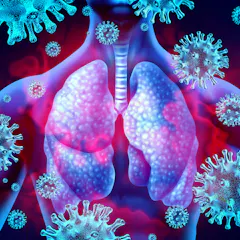
While a strong immune response is essential to fight against viral infection, an immune system that continues to stay active long after the virus has been cleared can lead to lung damage.

Decreases in respiratory infections during the pandemic suggest there may be a continued role for the selective, non-mandated use of measures like masks and social distancing even post-COVID-19.

Infections diagnosed in a hospital between ages 11 and 19 are associated with an increased risk of multiple sclerosis.
Resistant bacteria aren’t the only risk posed by overprescribing antibiotics. A more immediate risk is side-effects and reactions, which a new review shows are surprisingly frequent and often severe.
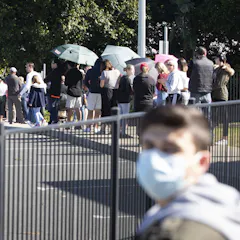
With all the attention focussed on combating the spread of COVID-19 it’s easy to forget the other health challenges that could affect us all.
Although it can sometimes be challenging, there are ways to distinguish respiratory symptoms caused by a virus and those caused by an allergy.
Top contributors
-

Ph.D. Candidate in Immunology, University of Virginia
-
Professor of Medicine, University of East Anglia
-
Professor, Cumming School of Medicine, University of Calgary
-
Medical Student, University of Calgary
-
Honorary Professor, Epidemiology, UCL
-
Associate Professor Pediatrics and Dalla Lana School of Public Health, Chair Indigenous Health Conference, North American Refugee Health Conference, University of Toronto
-
Associate Professor and Research Leader in Virology and Infectious Disease, Griffith University
-
Associate Professor of Epidemiology, Texas A&M University
-
Senior Principal Research Fellow; paediatrician; infectious diseases epidemiologist; vaccinologist, The University of Melbourne
-
Research Assistant at Department of Critical Care Medicine, University of Calgary
-
Research Fellow, Institute for Glycomics, Griffith University
-
Assistant Professor in the Department of Medicine, University of Calgary
-
Associate Professor, Department of Geography, Environment and Geomatics, University of Guelph
-
Professor of Family Medicine, University of Calgary
-
Chair in Epidemiology, Deakin University