
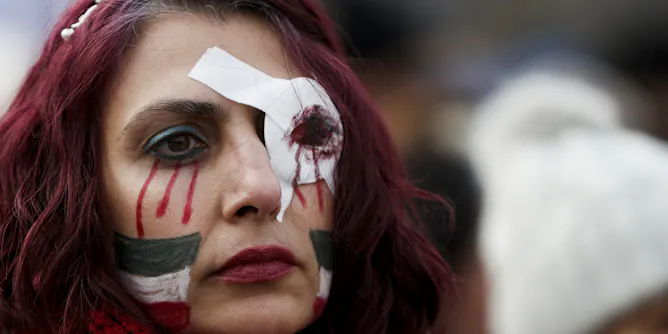
Iranian police deliberately fire at the protestors’ eyes. A deeply rooted act of repression that is older than the Islamic Republic itself.
Articles on Protesting
Displaying 1 - 20 of 57 articles
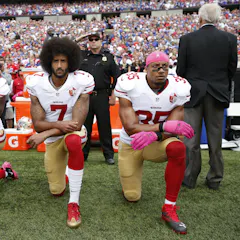
Few athletes are still kneeling to protest racial injustice. Does this mean athletes have become indifferent or is there another explanation?
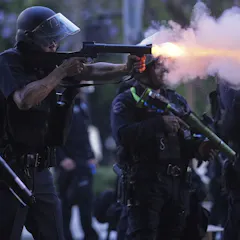
Authorities have been using “less lethal” weapons against protesters in Los Angeles, but they can still cause serious injuries and even death.

With international climate talks failing to make progress fast enough, activists are radically rethinking how to be most effective in the streets, political arenas and courtrooms.
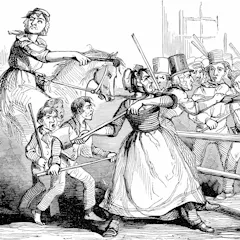
The Rebecca riots saw Welsh farmers disguised as women destroy tollgates as a way of challenging what they believed was an oppressive taxation system.
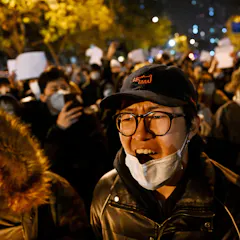
Comparisons have been made to the 1989 demonstrations that led to the Tiananmen Square massacre. An expert on Chinese protests explains why that is half right.

The 1982 Franklin Dam protests were a defining moment in the history of Australia’s social movements. But such campaigns may well be impossible today.
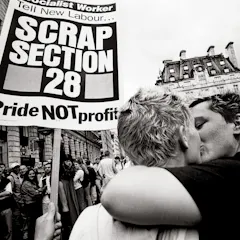
Opposition to the controversial law reflected the British national character, reminiscent of comedies like the Carry On films.
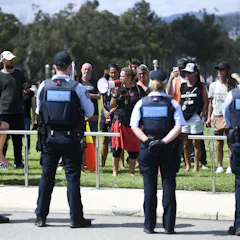
A clash of protesting groups are creating political tension in Australia.

How does the spirit of Byron Byron endure wave after wave of seekers and lately, Instagram influencers? Sally Breen took a road trip and found a something deeper in the beachy township.
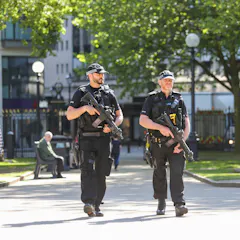
The government’s definition of extremism falls short of what’s needed, but new definitions could make things more complicated
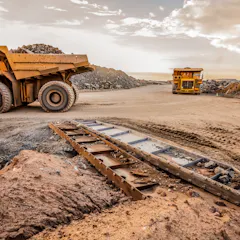
Mining is not just a physical engineering process. It requires social engineering as well.
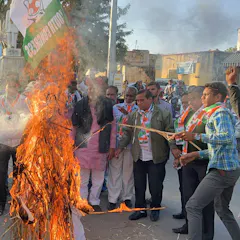
While new Indian agricultural reforms are ostensibly aimed at empowering farmers, there are fears they will have the opposite effect. Here’s why.
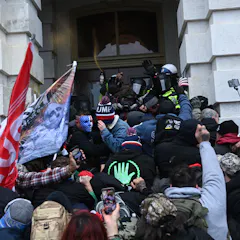
Trump supporters openly discussed forcing Congress and Vice President Pence to overturn the election results.
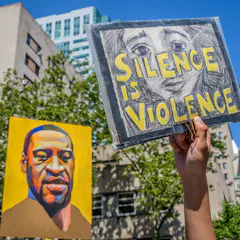
Over the past 50 years, protesters’ voices have found power in unison. But activists and onlookers have increasingly been exposed to new sounds that aim to shatter rather than gather the crowd.
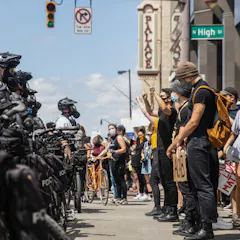
Protests don’t simply turn violent because people have “nothing to lose”. Police behaviour and group psychology also plays a part.
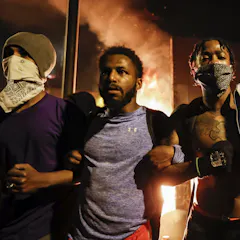
Opinions about demonstrations are formed in large part by what people read or see in the media. This gives journalists a lot of power when it comes to driving the narrative.
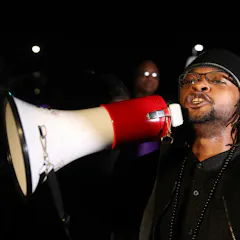
From anti-war demonstrations to the latest women’s march, 2020 is already shaping up to be a big year for protests in the US. Journalists will pick which messages get heard.
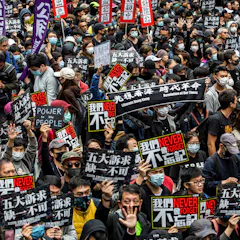
Fears that Beijing will renege on autonomy promises is only encouraging calls for independence from mainland China.
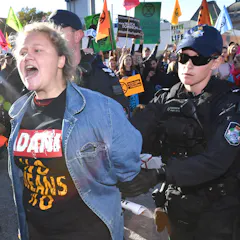
Democracy is not perfect. Sometimes it produces policies that are undemocratic and unjust. In those cases, breaking the law may be justified.
Top contributors
-

Professor of Public Ethics, Charles Sturt University
-
Professor of Journalism, Michigan State University
-
Professor of Law, Queensland University of Technology
-
Associate Professor Media and Communication, University of Leicester
-
(Former) Research Fellow, Centre for Deliberative Democracy and Global Governance, Institute for Governance and Policy Analysis, University of Canberra
-
Professor of Formal Philosophy / Director of Center for Information and Bubble Studies, University of Copenhagen
-
Lecturer in Sociology and Criminology, University of Birmingham
-
Professor of Media and Communications, Monash University
-
Senior Research Fellow, College of Engineering and Computer Science, Australian National University
-
Associate Professor, School of Geography, University of Nottingham
-
Head of School of Psychology and Speech Pathology, Curtin University
-
Visiting professor, Georgetown University
-
Senior Lecturer in Criminology, Liverpool John Moores University
-
Vice-Chancellor, La Trobe University
-
Professor, Crawford School of Public Policy, Australian National University