

‘The Folk Box’ sought to trace the roots and branches of American music, and document the forging – and constant reinvention – of the national identity.
Articles on Protest music
Displaying 1 - 20 of 21 articles
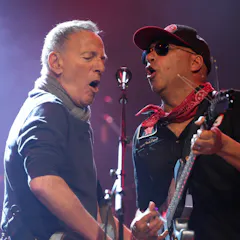
Bruce Springsteen wrote and recorded ‘Streets of Minneapolis’ within days of Alex Pretti’s killing, continuing a long tradition of songs as protest against violence and repression.

Musicians are giving voice to the urgency of Minneapolis. America has a long history of political protest in song.

Clergy demonstrating against ICE in Minneapolis have turned to classic ‘freedom songs’ – the music associated with protests ever since the Civil Rights Movement.

Fela Kuti created his own myth, and his fans did the rest. Today his music and politics are as relevant as they were before his death in 1997.

Through his poetically eloquent protest songs, the young singer-songwriter came to represent the Oromo struggle.
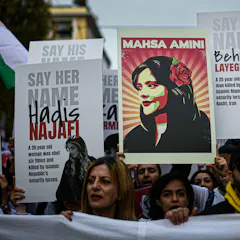
Social movements around the world use music in their struggle for freedom and equality.

His songs about the rights of the Oromo people in Ethiopia lifted the spirits of a downtrodden people and his death shook the nation.
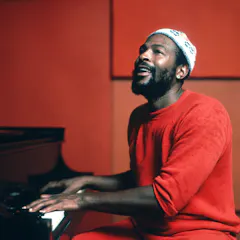
Released at the height of the Vietnam War, Marvin Gaye’s hit-heavy album explored themes of race, environmentalism and conflict. It also marked a new direction for the Motown record label..
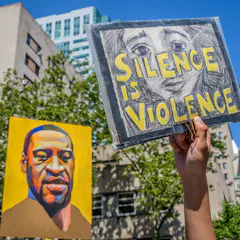
Over the past 50 years, protesters’ voices have found power in unison. But activists and onlookers have increasingly been exposed to new sounds that aim to shatter rather than gather the crowd.
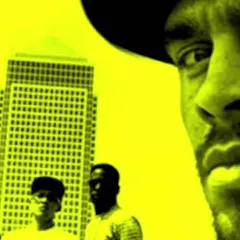
The stigma attached to HIV and AIDS, particularly in hip hop culture, is rife. The disease is represented poorly and often factually incorrect through lyrics.

Indigenous New Caledonians, who will vote in an independence referendum next week, have been struggling since French colonisation in 1853. Through songs, they have chronicled past traumas and resistance heroes.
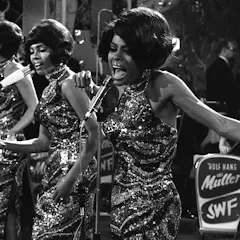
Fifty years ago, Sly and the Family Stone sang ‘We got to live together, I am no better and neither are you.’ The words ring just as true today.

One of South Africa’s finest hip-hop crews message was that you couldn’t box identities forged through multilingual living in the ghettos.
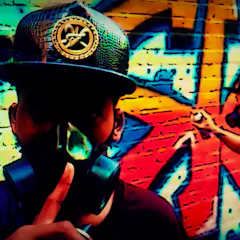
In voicing youthful outrage over inequality and violence, Bangladeshi rappers are creating a powerful form of protest music — just as American MCs have done for 40 years.
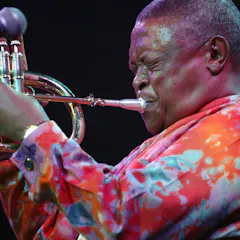
The protest song “Stimela” remains as much a song about present and future aspirations, as it is of the past.
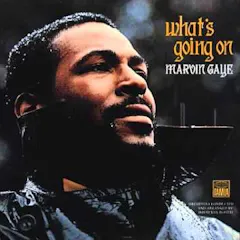
“What’s Going On” remains relevant today. Even now its plaintive lyrics speak eloquently about a post-9/11 world that’s upside down.

The international community has failed to recognise the new political visions being articulated by young musicians and activists across Africa.
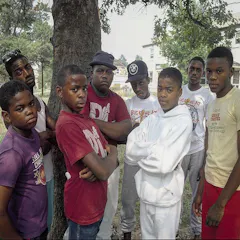
In 1985 The Junkyard Band shifted the paradigm by challenging Reaganomics. Many of those same key issues still rage on today, across the world.
The story of jazz in the ANC army-in-exile, Umkhonto we Sizwe culture is far more nuanced – and positive – than depicted in a new film.
Top contributors
-

Research Lead at Rhythm Obscura / Lecturer in the School of Art, Design and Architecture, University of Plymouth
-
Professor of Appalachian Studies and Bluegrass, Old-Time and Roots Music Studies, East Tennessee State University
-
Lecturer in music education and ethnomusicology, University of Sydney
-
Adjunct Research Fellow, Humanitarian and Development Research Initiative, Western Sydney University
-
Lecturer, University of Wollongong
-
Professor of Development Studies, University of Fort Hare
-
Senior Lecturer in Linguistics, University of the Western Cape
-
The Ohio State University
-
Associate of the Gordon Institute for Business Science, University of Pretoria
-
Associate professor Music and Media, University of Gloucestershire
-
Professor of Political Science and Africana Studies, Vassar College
-
Senior research and teaching fellow, Department of Geography, University of Zurich
-
Associate Professor of History, University of Arizona
-
Adjunct Research Fellow, Griffith University
-
UNESCO Chair: Refugee Integration through Languages and Arts, University of Glasgow