
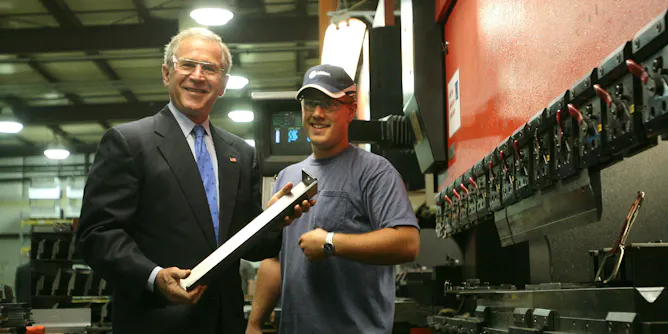
President Trump slapped steep tariffs on steel imports, echoing protectionist measures taken by Bush in 2002.
Articles on Protectionism
Displaying 41 - 60 of 75 articles
President Trump says ‘trade wars are good,’ but history tells a very different story.

China supplies just 2% of America’s steel, while Canada and Europe have sizeable shares and Australian steel producers depend on access to US markets.
The president’s tariffs on steel and China mirror the misguided trade policies that helped precipitate the Great Depression.
The idea that the US is historically a free trading country is a myth. Here’s why that’s a good thing.
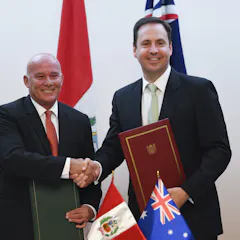
Australia recently signed a free trade agreement with Peru and more are on the way. At the same time it is part of a global trend of stealth protectionism among developed countries.

On March 1, Donald Trump imposed a series of steel and aluminum tariffs. To understand their potential impact, it’s instructive to look at what happened after George W. Bush enacted similar measures in 2002.

The Trump administration can boost domestic solar panel manufacturing without slapping duties on all imports.
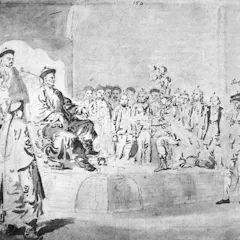
What can we learn from the 19th-century Qing dynasty?
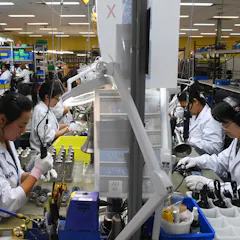
Under current government policy we are penalising the sector of the economy where there is the largest proportion of existing employment and the best prospects for future growth.

May’s government is evoking arguments made by the early 20th-century tariff reform campaign of Joseph Chamberlain.
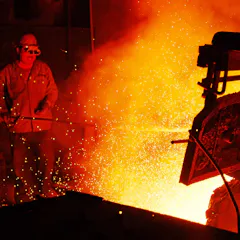
Politicians in Europe, the US and the UK have blamed steel industry woes on artificially cheap imports.

Mexico and Canada are about to turn medical cannabis into North America’s most lucrative new market.
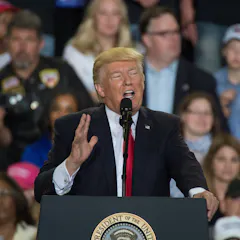
There’s ample space to renegotiate some terms from the original agreement that would improve social welfare across the region.

Labour must develop its pro-social and pro-working class agenda for an electorate that has been failed by globalisation and EU integration.
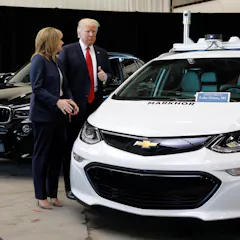
A border adjustment tax would raise government revenue and boost jobs in export-driven industries, which tend to concentrate in the embattled manufacturing sector.
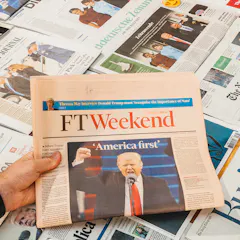
Trump’s ‘America first’ rhetoric implies that the internationalism and ‘enlightened self-interest’ that built the postwar order was a big mistake. The evidence and basic economics disagree.
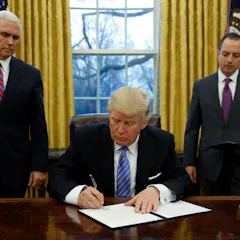
Policymakers need to think outside the narrow confines of what has been regarded as “America first” policy postures that have dictated Australia’s foreign policy choices.
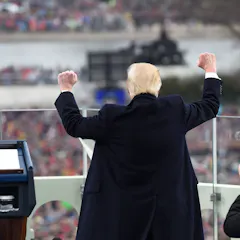
The new president’s inaugural speech emphasised protectionism, co-operation and, most emphatically, putting America first.
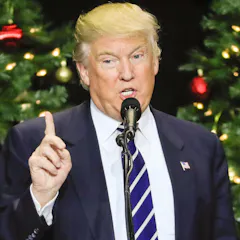
While Trump’s more extreme campaign promises may not eventuate, substantive changes in how the US engages with the world on environmental, and many other, issues are likely.
Top contributors
-

Lecturer in History, University of Exeter
-
School of Social Sciences, Monash University
-
Lecturer of international trade law, Monash Business School, Monash University
-
Professor of Economics, University of Minnesota Duluth
-
Senior Lecturer in Politics, UNSW
-
Associate Professor of Political Science, Georgia State University
-
Research Fellow, American University School of Public Affairs
-
Professor Emeritus of Economics, McMaster University
-
Professor in Conservation Science, School of the Environment, The University of Queensland
-
Senior Lecturer in Economics, City St George's, University of London
-
Professor, Food Economics, University of Guelph
-
Professor of Practice, NYU Shanghai and Fundação Dom Cabral, NYU Shanghai
-
Professor of International Studies and Professor of Economics, Cornell University
-
Sir John Bunting Chair of Public Administration, Australian National University
-
PhD Candidate in Conservation Biology, The University of Queensland