
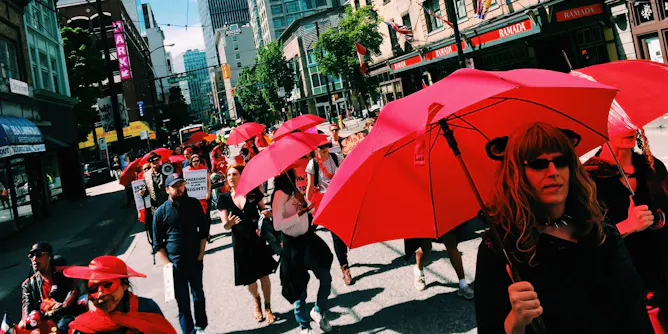
Citizens-watch programs designed by police to aid anti-trafficking efforts threaten the rights and safety of sex workers.
Articles on Prostitution
Displaying 21 - 40 of 77 articles
While there’s still a great deal that is unknown about sex trafficking, research studies and nonprofits have been able to gather telling data on this industry’s victims and perpetrators.

An investigation into the recruiting strategies of traffickers and their networks could be helpful in arresting this menace.

Governments should heed the expertise of the grassroots nonprofits that witness this scourge firsthand.

New England Patriots CEO Robert Kraft’s criminal charges in a suspected sex trafficking case draw new attention to this illicit underground economy.
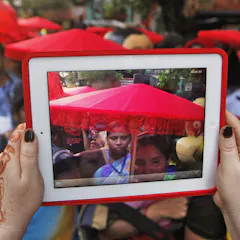
If India really wants to stop sex trafficking, legislators might consider asking sex workers in Kolkata how they keep the Sonagachi red light district safe and exploitation-free.
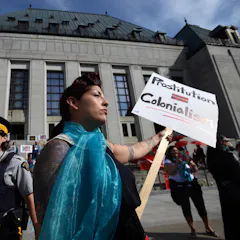
Canada’s prostitution laws are based on the idea that prostitution is dangerous. Legalizing prostitution doesn’t eliminate the risks of violence and psychological harm.

The opinions of current sex workers must be sought before any changes are made to the law governing the websites they use.

No one legal ‘solution’ is right for all sex workers.
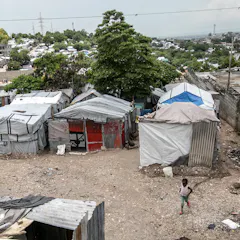
It’s all too easy to miss the point about sex work in areas hit by conflict and disaster. How about listening to the people who experience it?

Most child sex abuse happens within families, but we still cling on to the Victorian idea of paedophiles as outsiders.

Rubbish excavated from brothels sheds light on sex workers’ lives in the 19th century. Despite the dangers, prostitution offered an independent living free of male control.

Young victims remain at risk because current laws are focused on concerns over immigration and the economy.
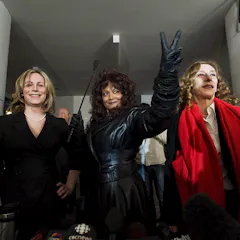
Prostitution is now illegal in Canada. Is prostitution harmful and exploitative? Or is sex work a legitimate form of labour?

In Athenian society, it appears some elite courtesans were better educated than traditional wives. Other sex workers were sold into the role as children.

A unified voice that gets heard.

The study shows the negative effects of sex work’s criminalisation, including a reluctance of workers to go to police and clients using it as an excuse to abuse workers.

Sex workers shouldn’t be victims of violent crime and murder at work – and yet they continue to face daily dangers.

The car, the phone and the internet have changed the way the sex work industry operates, but debates about regulation have not advanced with new technologies.

Consensual sex work, like non-commercial sex, mostly happens behind closed doors. Yet stigma toward and ignorance about sex workers makes people panic when we try to talk about reform.
Top contributors
-

Director, UWA Public Policy Institute, The University of Western Australia
-
Associate professor, Faculty of Law, Queen's University, Ontario
-
Associate Professor of Political Science, University of Richmond
-
Honorary Professor of Classics and Ancient History, School of Historical and Philosophical Inquiry, The University of Queensland
-
Senior lecturer, La Trobe University
-
Research Fellow at the Living with Disability Reasearch Centre, La Trobe University
-
Lecturer in Human Geography, University of Lancashire
-
Professor, Queen's University Belfast
-
Associate Professor, Cultural Studies; Gender, Women, & Sexuality Studies, University of Washington, Bothell
-
Professor in Criminology, University of Leicester
-
Distinguished Reserach Professor, Southern Centre for Inequality Studies, University of the Witwatersrand
-
Senior Research Fellow, Monash University
-
Research Fellow, Free State Centre for Human Rights, University of the Free State
-
Research Fellow, ‘Catalysing Neurohumanities research into Child Sexual Abuse’, Trinity College Dublin
-
Assistant Professor, Malmö University