
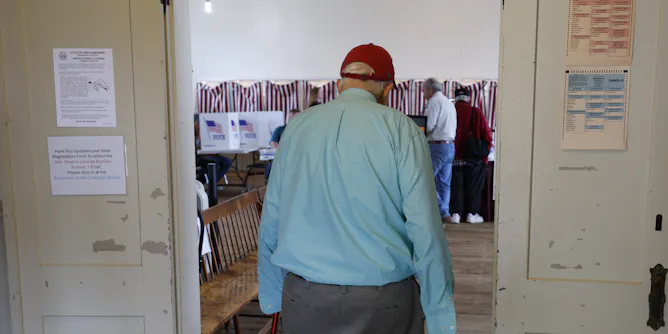
Primary winners represent the views of a small group of people who turn out inconsistently and often do not even represent the the views of the parties’ voters, to say nothing of the general public.
Articles on Primaries
Displaying 1 - 20 of 26 articles

Shifting counts have a boring cause: who votes by mail, and when those votes get counted. That doesn’t mean all fraud claims are false, though.
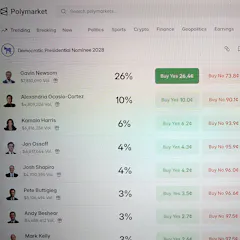
The rapidly growing popularity of prediction markets is sparking worries about the markets’ effects on US politics, where campaign staff has bet on its candidate’s electoral performance.
Despite Pennsylvania’s status as a fiercely contested swing state, many local and state primary races in the 2026 primaries draw little competition at all.
Voters proved hesitant to overhaul the election systems they were already familiar with, as almost all of the reforms in nine ballot measures across seven states and Washington failed to pass.
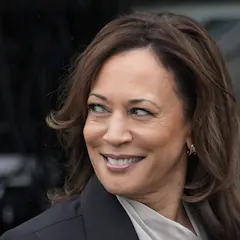
Handing VP Kamala Harris the Democratic presidential nomination without having her compete in primaries is a throwback to less democratic ways of picking nominees, a political scientist says.
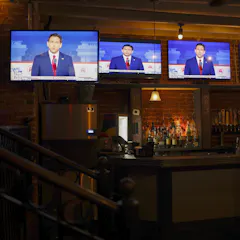
In a general election, most people will vote for their party’s candidate. But in a primary, voters rely on media coverage to help them choose among candidates. And that gives the media influence.
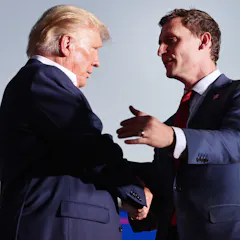
Voters trust their gut when they decide who an electable candidate is or isn’t. That may be a bad idea.
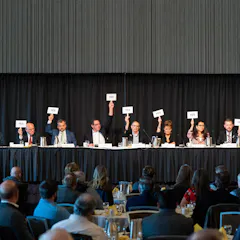
The number of candidates running in party primaries has ballooned since 2010. That may result in extreme, inexperienced or controversial nominees who do not represent a majority of voters.
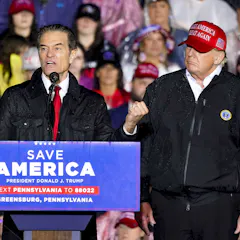
The three leading candidates in the GOP Senate primary race in Pennsylvania all hitched their wagons to Trump. But will that make it harder for the Republican winner to win the center come the fall?
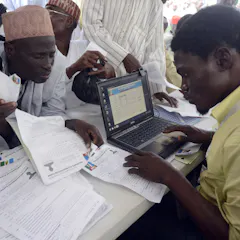
Nigeria’s legislators have no constitutional right to force political parties to adopt direct primaries.
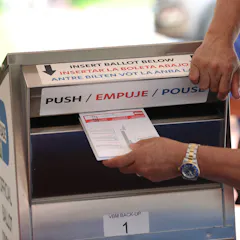
Lawsuits are being argued in courthouses across the country over the conduct of the election. That could lead to the public losing confidence in the election’s legitimacy.
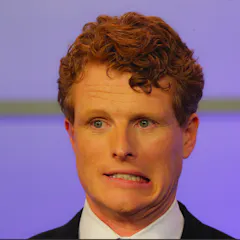
There aren’t any clear ideological differences between the two, and Senate incumbents who aren’t embroiled in scandal rarely, if ever, lose. So what’s Kennedy’s calculation?
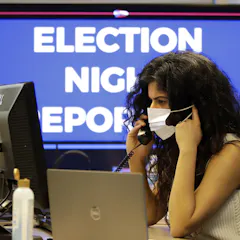
To many, the idea that states might cancel or postpone their primary elections as a response to the COVID-19 epidemic sounds undemocratic. What’s the political effect of these postponements?
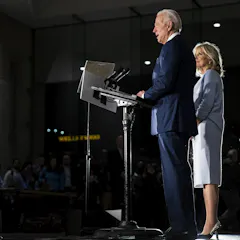
It is becoming clear that this election season, the Democratic Party will likely adopt a center-left agenda.
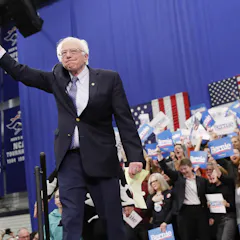
The Democratic nomination is still very much up for grabs, with Bernie Sanders having a narrow win in New Hampshire.
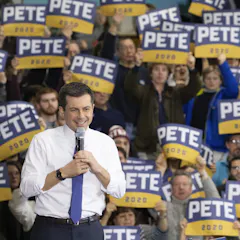
When candidates beat pollsters’ expectations, that can mean more positive media coverage.
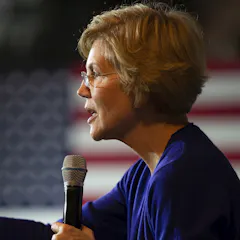
Americans didn’t always have primaries and caucuses to choose presidential candidates. The system was meant to be more democratic, but it places too much attention on largely white, small states.
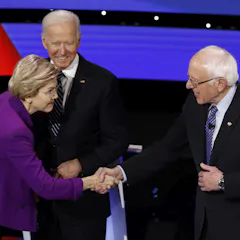
At the Jan. 14 debate, held at Drake University in Des Moines, Iowa, six candidates clashed on jobs, Iran and more.
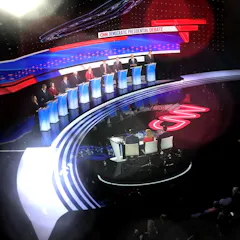
The winner will set the course of America for years to come.
Top contributors
-

Professor of Political Science, Clark University; Institute for Humane Studies
-
Associate Professor in the School of Government and Public Policy, University of Arizona
-
Professor in U.S. Politics and U.S. Foreign Relations, United States Studies Centre,, University of Sydney
-
Professor of Political Science, Rutgers University
-
Professor Emeritus of Organizational Behavior, University of Virginia
-
Professor of Mathematics, Case Western Reserve University
-
Associate Professor of Political Science, Florida State University
-
Associate Professor of Political Science, Park University
-
Associate Professor of Political Science, University of Richmond
-
Professor of Political Science, University of Richmond
-
Scientia Professor of Economics, UNSW
-
Election Analyst (Psephologist) at The Conversation; and Honorary Associate, School of Mathematics and Statistics, The University of Melbourne
-
Associate Professor of Public Policy and Administration, Penn State
-
Professor of International Affairs, Penn State
-
Senior Lecturer in Politics and Policy, Deakin University