

Even if they don’t support the current administration, most Americans are not actually making plans to leave the country.
Articles on Political representation
Displaying all articles

Rwanda’s majority Hutu have over time reported feeling more represented by a Tutsi-dominated government.
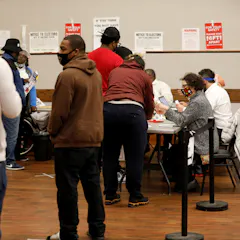
As states devise new electoral district maps, some have adopted independent commissions to ensure fairness in that process. Do they deliver?
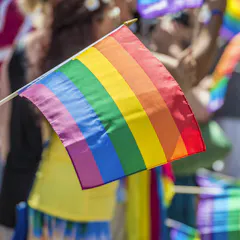
Delaware’s Sarah McBride made history on Tuesday when she won a state Senate seat, becoming the US’s highest-ranking transgender politician. A record 1,006 LGBTQ candidates ran for office this year.
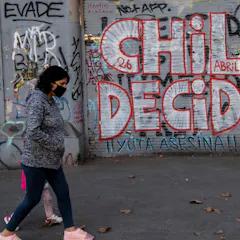
On Oct. 25 Chile will decide whether to replace its dictatorship-era constitution with a new one written wholly by the Chilean people. The vote shows how protests can change the course of a nation.

Researchers posed as constituents and emailed 3,685 legislators in 11 countries in Europe and Latin America to ask for help. Responsiveness varied by gender by up to 13 percentage points.
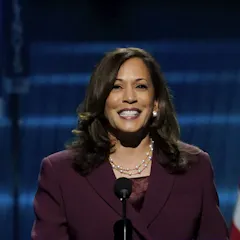
Why are women and people of colour under-represented in politics? Part of the problem is strategic discrimination, or concern about other people’s biases.
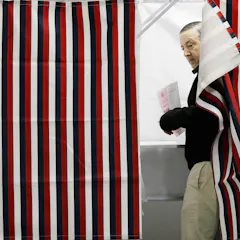
The more undemocratic tendencies of the US electoral system are growing stronger. As the midterm campaign season enters its final stage, it turns out that some votes count more than others.
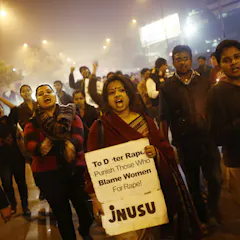
India is the most dangerous country for women in 2018, according to a new survey. Putting more women in government is a necessary first step in preventing rape and better protecting abuse survivors.
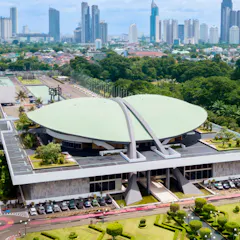
Male and female lawmakers differ in their reasoning why women struggle in winning elections. They also have different opinions about the legitimacy and effectiveness of the gender quota policy.
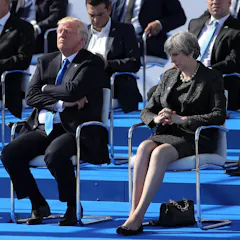
It’s quite possible that neither the US nor the UK will ever return to normal when it comes to political and constitutional balance.
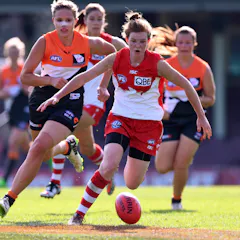
Sport remains the most evocative public demonstration of difference between the sexes, so its importance to feminist politics cannot be neglected.

Federal politicians and the public like the idea of abolishing the states. But consider the likely result: a more powerful Canberra, with regional governments amounting to glorified shire councils.
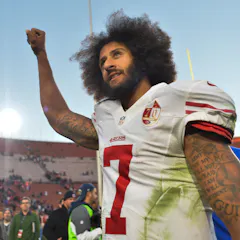
When athletes take a stand on sociopolitical issues, they have a public profile by which to showcase their views. But they face criticism that it is not their ‘place’ to comment on sensitive matters.
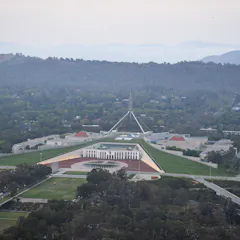
Australia’s national politicians again need to step up and lead the way on the inevitable process of national and global democratic innovation.
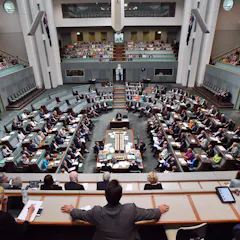
Since 1949, most of Australia’s governments received less than half of all primary votes cast, with some as low as 40%.
Top contributors
-

Assistant Professor, Universitas Muhammadiyah Jakarta
-
Lecturer, Public Policy and Political Communications, The University of Melbourne
-
ARC Future Fellow, School of PEMS, UNSW
-
Professor, School of Economics, The University of Queensland
-
Associate professor, First Year College, Victoria University
-
Vice Chancellor, University of Birmingham
-
Associate Professor of Political Science and Global Studies, Boise State University
-
Associate Professor of Sport Management, University of Technology Sydney
-
Associate Professor, Sport Studies and Associate Director, Research Training, Victoria University
-
John Rennie Short is a Friend of The Conversation.
Professor Emeritus of Public Policy, University of Maryland, Baltimore County
-
Assistant Professor of Politics, Washington and Lee University
-
Professor, Department of Political Science and International Affairs, Wake Forest University
-
Postdoctoral Associate, Yale University
-
Associate Professor of Politics, Occidental College
-
Associate Professor, University of Antwerp