
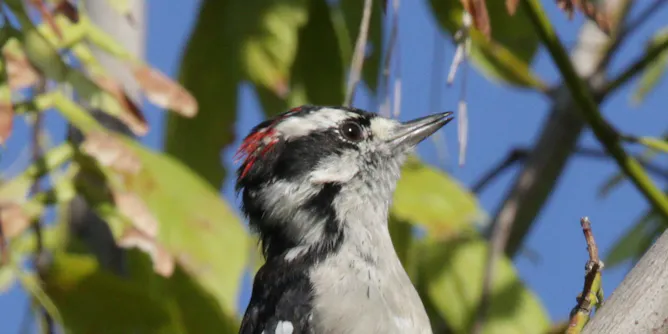
By looking closely at traits like wing feathers and spot patterns, a computer scientist trained an algorithm to recognize individual woodpeckers.
Articles on Photography
Displaying 201 - 220 of 314 articles
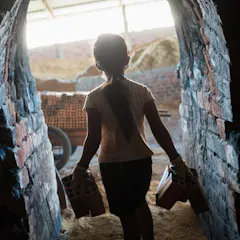
The long shadows of Cambodia’s edifices of wealth and progress conceal a deeper darkness.
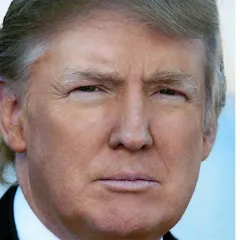
Here’s a riddle: What’s the dominant image of the 2018 election campaign? There isn’t one. But there are many.
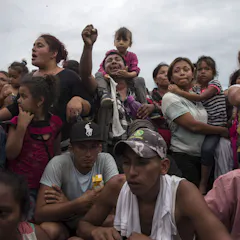
Photographs can influence us – they can inspire us to act and they can also impact the way we think about issues. The recent published photos about the migrant ‘caravan’ convey several stereotypes.
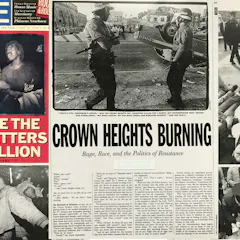
For decades, the alternative weekly’s photographers served as the eyes of the streets, working with activists to document and publicize the anguish and rage of everyday New Yorkers.
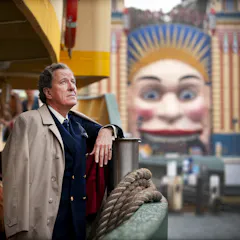
A marvellous exhibition of Australian film stills, now showing in Adelaide, offers a form of visual ethnography.
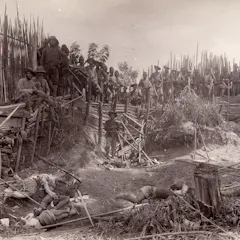
From depictions of slavery to colonial massacres to contemporary portraits of refugees, photography is a powerful tool in evoking ideas of shared humanity.
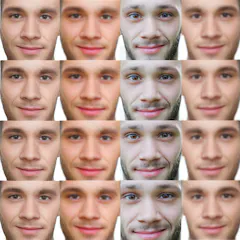
Will we soon no longer be able to discern which videos are real and which are fake?
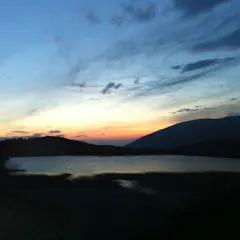
Our use of social media platforms such as Instagram is changing our relationship to nature, and – at least for now – not necessarily for the better.
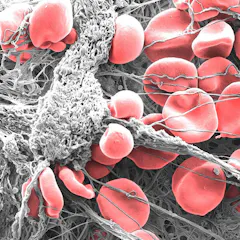
Images taken out of a research context and shared with the public offer a way to connect scientists with the broader world – and vice versa. These photos are stunning examples.
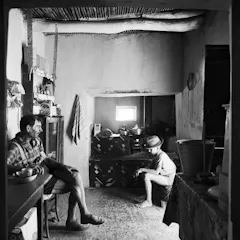
It was only in the late 1990s, as the world became more interested in South African photographers’ work, that Goldblatt’s work was identified as extraordinary.
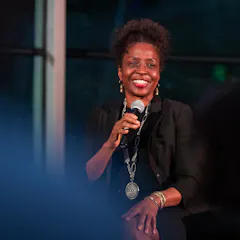
Simpson, who has made the black body the focal point of her work, discusses her biggest influences and the challenges of creating in our current cultural and political climate.
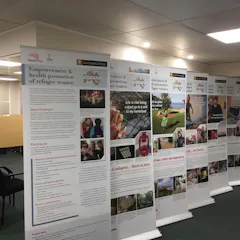
Refugee women’s voices are often left out of resettlement policy. A participatory research method called photovoice helps uncover resettlement issues from their perspectives.

The gap between the idea for a film and it reaching its final audience has never been so small.

Whether at a family gathering or in a research lab, getting access to images immediately was a game-changer. And Land’s innovations went far beyond the instant photo.

Marginalised Namibians should be encouraged to take up cameras to document their lives – on their own terms.
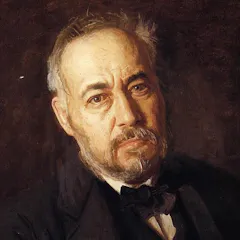
If we’re going to grasp what makes Eakins’ art so tragically powerful, we should be honest about the man who made them – and the impulses that drove him.
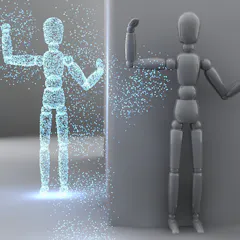
Single-pixel cameras, multi-sensor imaging and quantum technologies will change the way we take photos.
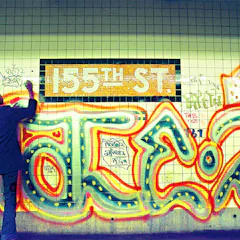
Perhaps it is time to return to the belief that graffiti is a political act. Maybe then we can embrace it as an agent for social change.
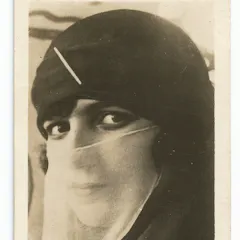
Collectable cigarette cards once depicted ‘exotic’ beauties, classified by the colonial eye. And today’s beauty contests still present women as exotic representatives of their nation.
Top contributors
-

Associate Professor Visual Communication, University of Technology Sydney
-
Associate Professor of Visual Communication & Digital Media, RMIT University
-
Associate Professor, UNSW Art & Design, UNSW
-
Senior Lecturer, Visual Communication, School of Design, University of Technology Sydney
-
Senior Lecturer of Art History, Griffith University
-
Professor & Dean, School of Media and Communication, RMIT University
-
Photographer and creative director
-
Lecturer in Design and Media Arts, University of California, Los Angeles; California Institute of the Arts
-
Chief Curator, Center for Creative Photography, University of Arizona
-
Wesfarmers Chair of Australian History, The University of Western Australia
-
Honorary Associate Professor, School of Art and Design, Research School of Humanities and the Arts, College of Arts and Social Sciences, Australian National University
-
Joanna Mendelssohn is a Friend of The Conversation.
Honorary Senior Fellow, School of Culture and Communication, The University of Melbourne
-
Senior Lecturer in Media, Macquarie University
-
Oak Foundation Lecturer in History of Dress and Textiles, Courtauld Institute of Art
-
Honorary Senior Lecturer, Australian National University