

The law requires medical test results be made available to patients even before a clinician has reviewed them.
Articles on Patients
Displaying 21 - 40 of 71 articles
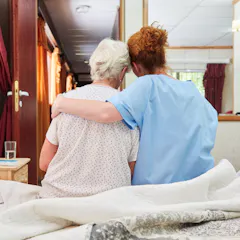
Bill C-7 has created ethical tensions between MAID providers and palliative care, between transparency and patient privacy, and between offering a dignified death rather than a dignified life.

Three factors that can speed up adoption of clinical research discoveries are context, tailoring resources and efficient knowledge sharing.

People with long COVID report that their symptoms are dismissed or not treated seriously by health-care providers. This medical gaslighting not only prevents treatment but can cause stigma and shame.
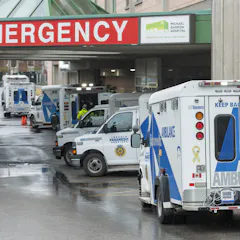
Ambulance response times have not always met targets, but the alarming new pinch point in our health-care system is that there are no ambulances at all available to respond to calls.

Although chronic pain is recognized by scientists as a disease in its own right, it remains largely under-recognized, under-diagnosed and, above all, associated with numerous prejudices.
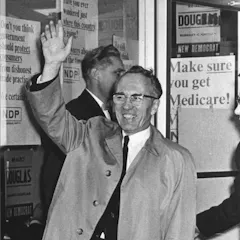
At the dawn of Medicare, Saskatchewan’s community co-op clinics pioneered team-based, holistic care. Now, with the health system in crisis 60 years later, it may be time to return to that care model.
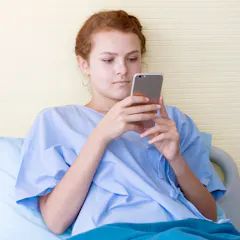
Younger cancer patients have unique challenges, and resources often target older patients. Social media brings younger cancer patients together to share information, emotional support and hope.

Person-centred care sees the patient as a whole, unique individual and puts them at the centre of their health decisions.

Health researchers hope a new regulation requiring hospitals to post their prices will tame soaring health care costs, but compliance and standardization are hurdles.

Canadian government travel restrictions are an attempt to curb the spread of COVID-19 variants. But vague language around exemptions for medical travel may confuse the physicians who can grant them.
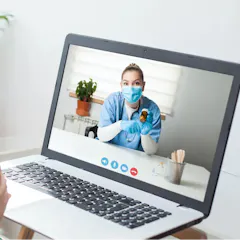
The legal uncertainty surrounding telemedicine services is not without consequences. Patients may not have access to public protection remedies.

Widely adopted in the US when pandemic precautions kept people home, telehealth faces a challenge as insurance coverage changes, right when its popularity had surged.

When a celebrity, politician or other influential person checks in, a health care team can feel pressured to give in to a VIP’s wishes.
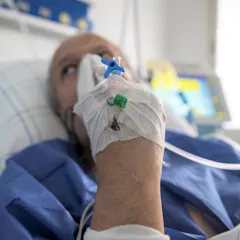
COVID-19 patients are spending weeks in intensive care units, isolated and alone, knowing they have a disease that doctors don’t fully understand. It’s a recipe for post-traumatic stress disorder.
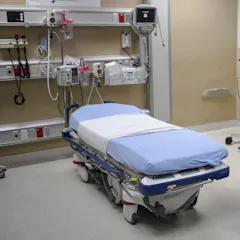
Delaying medical care comes at a cost, both human and financial. The patients some emergency rooms have been seeing are a lot sicker and more likely to need hospitalization.

The only way to know if a medical treatment actually works is with a randomized-controlled trial.

When you receive a medical bill you didn’t expect – even though you’re insured. And it’s still happening, even in time of COVID-19.

As the number of people hospitalised with COVID 19 rises, so do the number of people wanting to visit their sick loved ones. Who can visit?
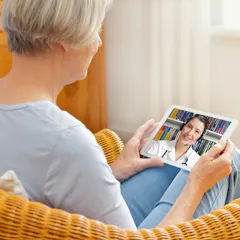
Not everyone who wants a telehealth consultation with their doctor over the next six months will be eligible for one.
Top contributors
-

Lecturer, University of Leicester
-
Professor, Health Sciences, Simon Fraser University
-
Acting Dean, Faculty of Health Sciences, Queen's University, Queen's University, Ontario
-
Professor of Cybersecurity, Head of School of Computer Science and Informatics, De Montfort University
-
Professor of Character Education and Virtue Ethics Deputy Director, Jubilee Centre for Character and Virtues, University of Birmingham
-
Professor MBBS, PhD, MPH, PGDipEcho, FANZCA, GAICD, The University of Melbourne
-
Associate Professor of Operations Management, Brock University
-
Richard Titmuss Professor of Social Policy, London School of Economics and Political Science
-
Professor/Director, Department of Anaesthesiology and Perioperative Medicine, Alfred Hospital and Monash University, Monash University
-
Professor of Law, Lancaster University
-
Associate Professor, School of Pharmacy and Pharmaceutical Sciences, The University of Queensland
-
Research Fellow, ZERO2FIVE Food Industry Centre, Cardiff Metropolitan University
-
Professor of Nursing and Director of Health Innovations, University of Wollongong
-
Associate professor in palliative care, University of Leeds
-
Research Associate, London School of Economics and Political Science