
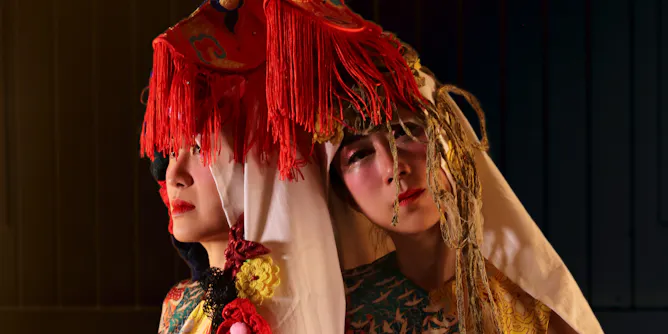
This year’s OzAsia festival demonstrated both the strength and the fragility of cultural translation
Articles on OzAsia
Displaying all articles
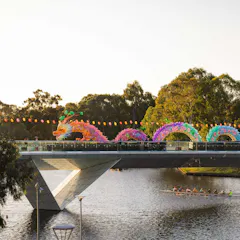
Although the festival focuses on Asia, it also offers opportunities to view Australia.
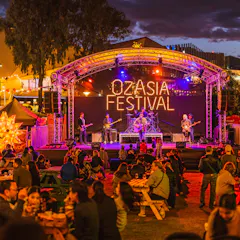
Although performances is an obvious way to experience other cultures, food has acted as the medium through which a larger number of Australians learn about Asia.
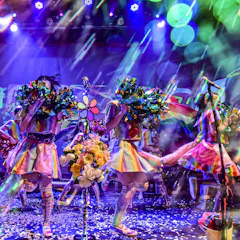
A reliance on visual elements to create the world of performance in Japan traces back hundreds of years through kabuki dance-drama. Two new shows keep that tradition alive.
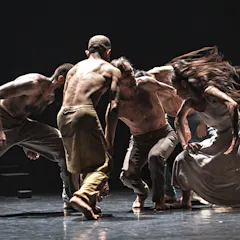
The most exciting work at OzAsia cuts across genres, styles, and cultures to create something distinctive and new. This year, three new dance works did just that.
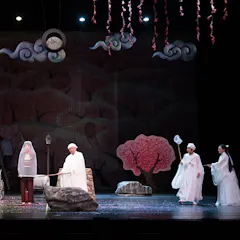
This play is in fact two plays woven together, one being a tragic love story, the other a farce set in a mythical land.
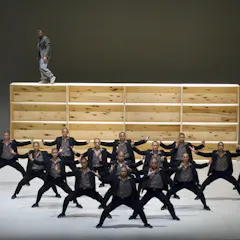
Sidi Larbi Cherkaoui’s fusion of the choreographic universe of contemporary dance with the kung fu techniques of the famed Shaolin monks is both masterful and unexpected
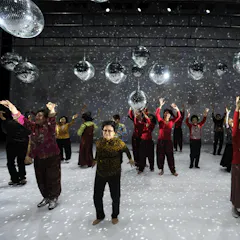
Korean choreographer Eun-Me Ah tnravelled up and down her native land, videotaping older women dancing.

British dancer Aakash Odedra performed four solo works, drawing on classical Indian dance, in a fitting close to the OzAsia festival.
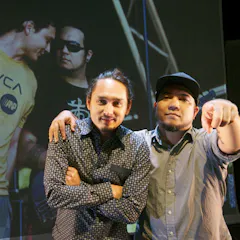
Australian rapper Joelistics and producer James Mangohig bring their family histories to the stage through a breathtaking display of beats, raps and storytelling.
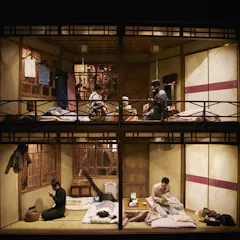
Kuro Tanino’s Dark Inn is a contemporary take on traditional Japanese theatre, contemplating the darkness of desire.
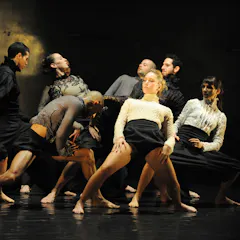
In creativity, skill and daring, the productions on offer embodied an energy and imagination comparable to, and at times exceeding, anything prestigious European-focused international festivals might present.
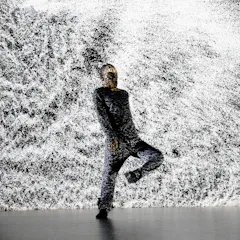
From a dancer moving against a wash of static, to a show that takes the audience hostage, Adelaide’s OzAsia Festival celebrates both high art and high energy performances.
