

Nigeria’s Christian population grew by 25% to 93 million from 2010 to 2020. Today’s novels reflect its social complexity.
Articles on Nigerian books
Displaying all articles

A visit to a campus bookstore reveals layers of history about Nigeria.
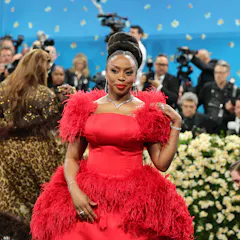
This was a remarkable event because it defied the tired cliché that Africans do not read.
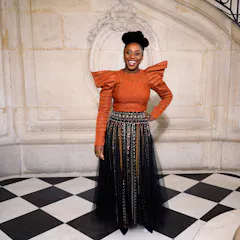
Dream Count rewards the attentive reader who is willing to let the book slowly add layers of meaning.
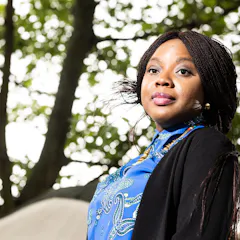
A Spell of Good Things powerfully explores polygamy, patriarchy, political corruption and poverty.

With over 200 publications to his name, his three most recent books give a sense of why he is so famous as a historian.
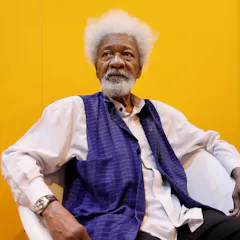
The new novel by Nigerian icon Wole Soyinka is at once satire, political thriller and tragedy. It is the work of a great writer that marks the destruction of postcolonial reason.

Western critics hailed the 1952 book as a great work of African fantasy. In fact it’s better understood as a pioneering work of African science fiction.

Despite same-sex relations being criminal, social media is a space to come out and speak back to homophobia for the Nigerian tweeters in the study.
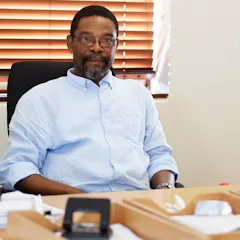
With humility that belied his global stature, his laugh came easily, and his generous storytelling taught lessons that his students grew into for many years after he shared them.
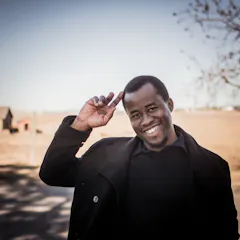
Obioma’s novel struggles to get going, then splutters and stalls to an unimpressive conclusion.
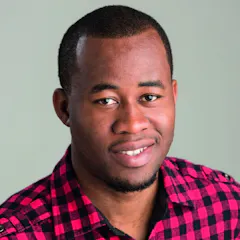
Framing younger writers’ work within the footsteps of giants is always fraught with risk; the risk of shadowing the merits and faults of the former in an attempt to assess the legacy of the latter.
Top contributors
-

Tutor in West African Literature, University of Oxford
-
Assistant Professor, Harvard University
-
Lecturer, Federal University, Oye Ekiti
-
Senior Research Fellow, Institute for Humanities in Africa, University of Cape Town
-
Associate professor, University of Johannesburg
-
Professor of Religion and African Studies, University of Leeds
-
Lecturer, University of Cape Town
-
PhD candidate, University of Cape Town
-
Assistant Professor, University of British Columbia
-
Professor of English Literature, Université de Liège
-
University of the Witwatersrand
-
Professor of Modern Literature, University of York