
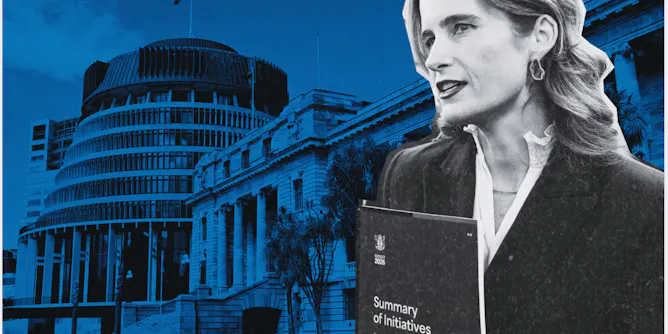
Finance Minister Nicola Willis forecasts an earlier-than-expected return to surplus in an unsurprisingly no-frills budget.
Articles on Nicola Willis
Displaying all articles

National hasn’t achieved two of its three big fiscal policy promises from the previous election. Thursday’s budget will be a hard sell.
New Zealand has been in a ‘stagflationary spiral’ for years. Pulling out of that takes time, but signs of recovery are real.
As expected, Budget 2025 held few surprises, with spending aimed at promoting future growth rather than fixing more immediate problems.
It seems likely the government will focus on boosting business growth rather than raising new taxes. How it finances core operations remains the big question.

The prime minister’s state-of-the-nation focus on economic growth, particularly in mining and tourism, was long on aspiration and short on realistic expectations.

Social investment policy involves intervening early to reduce the cost to the state from at-risk groups. But a purely fiscal approach to social welfare ignores the systemic causes of poverty and need.

Requiring employers to be open about who gets paid what is just one tool for closing the gender pay gap. But the government is showing little sign of seriously tackling the issue.
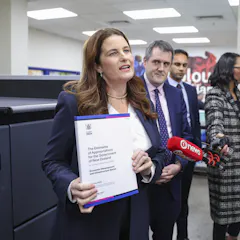
Finance minister Nicola Willis made good on two promises with her first budget – tax cuts and no surprises. But the belt tightening required to do that will have longer-term consequences.
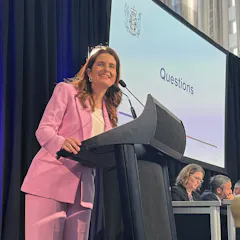
Finance minister Nicola Willis is promising to chart a ‘middle course’ in her first budget. Her bigger challenge is to bring middle New Zealand along with her.
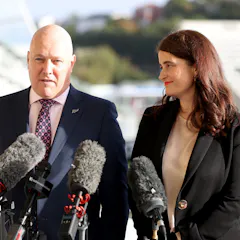
With voter confidence already low, the National-led coalition will have difficulty fulfilling pre-election promises while delivering a prudent budget in May.
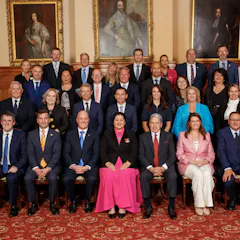
The coalition has made good on pledges to repeal, reduce or reverse the previous government’s policies. But the real test will be paying for its own policies and staying stable in the process.

Representative democracy is under threat as females – particularly from minority groups – leave or choose not to enter politics. Many say the mental toll of online abuse has become overwhelming.
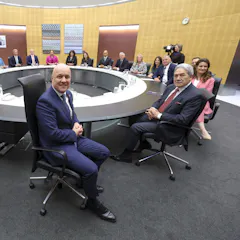
The local and international track record of social investment funds and social impact bonds is far from convincing. A better-resourced public sector would be a simpler solution.
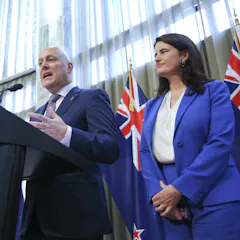
The National Party’s internal tensions have played out in a succession of leadership changes. Would the political right be better off formally divided, as it once was?
Top contributors
-

Professor of Politics, Te Kunenga ki Pūrehuroa – Massey University
-
Associate Professor, Department of Economics, University of Otago
-
Research Associate, Public Policy Institute, University of Auckland, Waipapa Taumata Rau
-
Professor of Economics, University of Waikato
-
Professor of Law, University of Auckland, Waipapa Taumata Rau
-
PhD Candidate in Management, Auckland University of Technology
-
Professor of Industrial Relations, Auckland University of Technology
-
Senior Lecturer in Child Psychiatry and Paediatrics, University of Auckland, Waipapa Taumata Rau
-
Associate Professor in Public Health and Policy, Te Herenga Waka — Victoria University of Wellington
-
Senior Lecturer in Law, University of Canterbury
-
Senior Lecturer in Urban Planning, University of Auckland, Waipapa Taumata Rau
-
Professional Teaching Fellow in Social Work, University of Auckland, Waipapa Taumata Rau
-
Professor of Development Studies, Te Kunenga ki Pūrehuroa – Massey University
-
Professor of Geography, School of People, Environment and Planning, Te Kunenga ki Pūrehuroa – Massey University
-
Professor of Taxation, University of Canterbury