
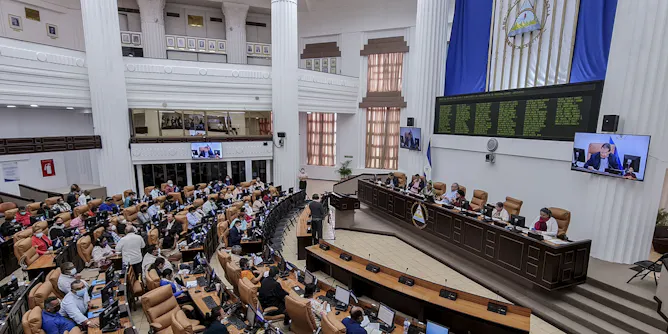
These crackdowns are occurring around the world in countries that are becoming less free because of what’s known as ‘democratic backsliding.’
Articles on Nicaragua
Displaying 21 - 40 of 48 articles

From songs on the Spanish revolution to others on American Imperialism, Strummer’s lyrics inspired a generation of music-lovers to action.
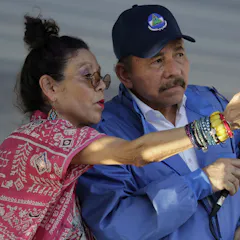
The rule of Daniel Ortega has become increasingly authoritarian. Sanctions and repression could destabilize the region and result in increased numbers of refugees.
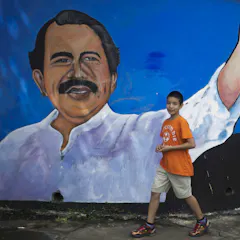
Once a Sandinista revolutionary, Ortega’s oppressive neoliberal regime now imprisons opponents and raids newspaper offices.
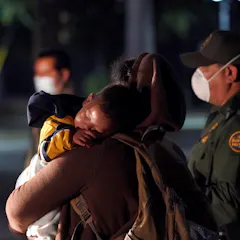
Children and families have been fleeing to the US in rising numbers for nearly a decade. So why is the current situation at the US-Mexico border being viewed as something new?
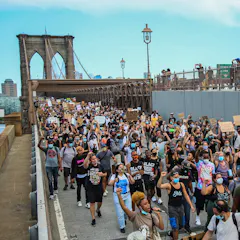
Unrest in the US looks familiar to Latin Americans, who are accustomed to resisting undemocratic governments – and to their protest movements being met with violent suppression.
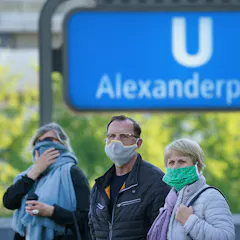
Countries across the globe responded differently to the pandemic, and results show a difference in effectiveness as well.
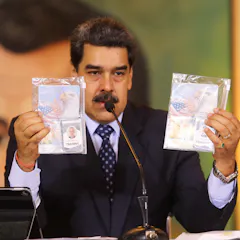
US denies backing failed raid to remove Venezuela’s Nicolás Maduro – but it has a long history of sponsoring private armies elsewhere.

Progressives are leading in the presidential elections of Argentina, Uruguay and Bolivia, bucking the region’s recent rightward trend. But there are lessons in the failures of leftists past.
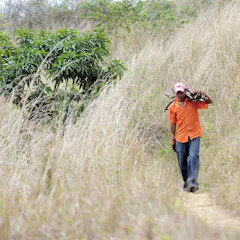
Poverty and violence are often cited as the reasons people emigrate from Central America, but factors such as drought, exacerbated by climate change, are driving people to leave too.
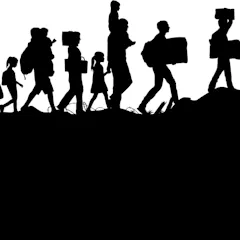
Deportees and other migrants return home wealthier, more educated and with more work experience than people who never left. This ‘brain gain’ benefits the whole community, financially and politically.
Being part of a gang may increase the chance of dying young, but when gang members leave their old lives behind, they can find that their street smarts come in handy.
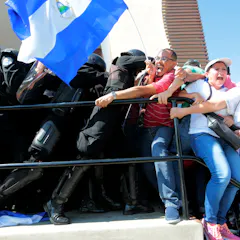
A massive protest movement exploded across Nicaragua in April 2018, threatening to topple the country’s authoritarian regime. What happened to Central America’s ‘tropical spring?’

Imaginaries of gangs as inherent forms of brutal anarchy promote particular political agendas and obscure the ways gangs can reveal the underlying dynamics of the contexts within which they emerge.
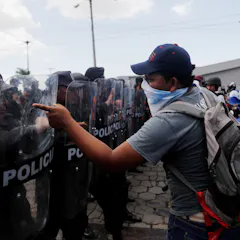
Hundreds have died in a government crackdown in the Central American country, and Labour’s reaction is worrying.
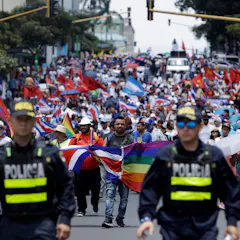
Nicaraguan migrants send over US$1 billion home each year. This money has played a changing role in domestic politics – first boosting the Ortega regime and, now, sustaining the uprising against him.
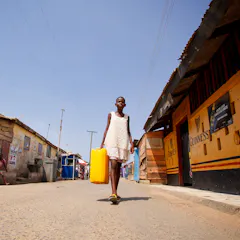
Providing people with clean drinking water and sanitation is less expensive than grid electrification and it could improve more lives.
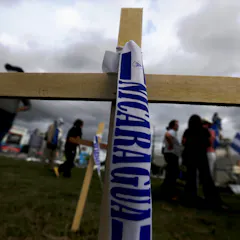
When different sides in a violent political crisis become ever more entrenched, democracy quickly starts to wither.

Cheap Venezuelan oil boosted Nicaragua’s economy and funded President Daniel Ortega’s many anti-poverty programs. With Venezuela in crisis, the oil has dried up – as has support for Ortega’s regime.

Nicaragua has exploded in violence since mass protests began against President Daniel Ortega in April, with hundreds dead and thousands wounded. Amid such chaos, criminal violence is likely to follow.
Top contributors
-

Associate Professor of Sociology, Fort Lewis College
-
Professeur, Chaire d'excellence A*Midex, Aix-Marseille Université (AMU)
-
Assistant Professor of Global Studies, University of California, Santa Barbara
-
Vice Chancellor's Research Fellow in Global Challenges, Northumbria University, Newcastle
-
Professor of Management and Co-director of the Centre for Latin American & Caribbean Studies, University of Essex
-
Director of Research, Florida International University
-
Lecturer in Latin-American Politics, Sciences Po Lyon
-
Professor, Director of Center for Molecular Biology, University of Central America
-
Professor of International Studies, California State University, Long Beach
-
Visiting Assistant Professor, Macalester College
-
Reader in Cultural Geography and Communication, University of Westminster
-
Assistant Professor, Texas A&M University
-
Assistant Professor of Sociology, Fitchburg State University
-
Professor of Politics and International Relations, Florida International University
-
Assistant Professor of Human Service Studies, Elon University