
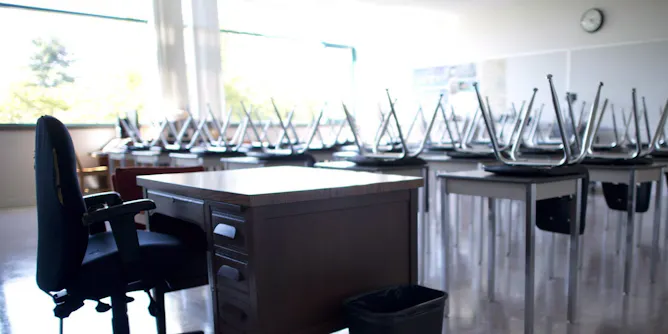
Difficult stories are not obstacles to democratic education. Learning how to communicate about them are conditions for it.
Articles on neutrality
Displaying all articles

Social studies education demands sustained engagement with difficult knowledge and a heightened sense of obligation to both students and society.
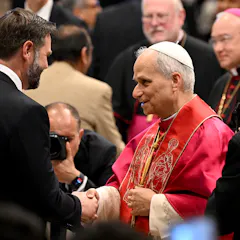
Across nearly 2,000 years, popes have been involved in peace efforts – almost always on the sidelines. Can the papacy keep its independence in a polarised world?
Wikipedia is built on a “neutral point of view”. But who decides what neutral means?
Liberal-leaning stories tend to stay longer on The New York Times’ homepage, even when controlling for popularity. We found the same thing of conservative stories in The Wall Street Journal.

If the African delegation could convince the belligerents to find a peaceful solution, they will make a critical contribution to the climate for mediation.
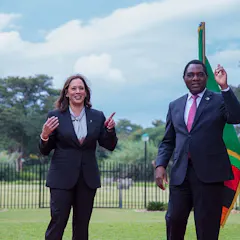
President Hichilema’s self-styled ‘chief marketing officer’ approach has unlocked new investments from a diverse mix of partners.
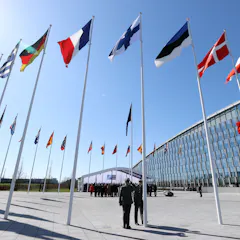
A historian looks at the steps leading up to Finland joining the Western strategic alliance – and what that means for small nations elsewhere.
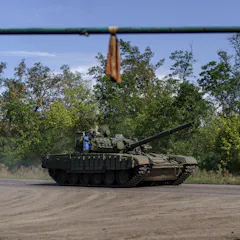
The decision is understandable, but it’s not without costs, both for Sweden and the wider world, especially in the longer term.

Sandwiched between Russia and NATO ally Norway, both Sweden and Finland have maintained neutrality in global conflicts. That changed in February 2022, when Russia invaded Ukraine.
This is a transcript of The Conversation Weekly podcast episode published on May 5, 2022.
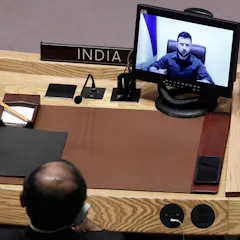
In this episode of The Conversation Weekly podcast, we also explore the reasons for India’s neutrality over the Ukraine war.
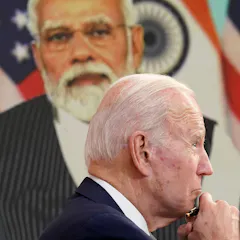
By remaining neutral over Ukraine, India is navigating a delicate balancing act between Russia and the west.
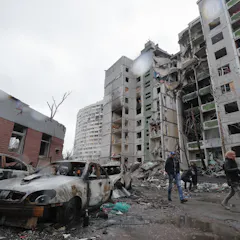
Instead of drawing on the lessons of its own negotiated settlement and its rich history of peace-making in Africa, Pretoria chose to appease Russia.
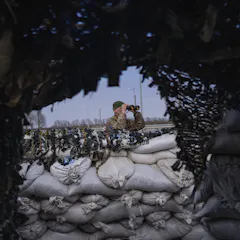
Is watching in horror as the war in Ukraine unfolds all we can do? What responsibilities do we – as non-belligerent ‘neutrals’ – have to the war and its victims?
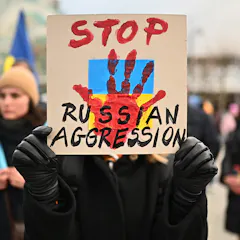
History tells us that neutrality rarely works as a mechanism for preventing conflict.
Universities can ensure students in all disciplines are learning how to contribute to a world that they and future generations want to live in.
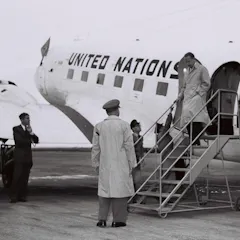
Hammarskjöld lasting legacy was to develop the secretary-general’s political role, as the UN found its way through the Cold War.
Top contributors
-

Professor of International Relations, Jawaharlal Nehru University
-
Professor of History, University of Auckland, Waipapa Taumata Rau
-
PhD Candidate, Faculty of Education, University of Manitoba
-
Host, The Conversation Weekly Podcast, The Conversation
-
Associate Science Editor & Co-Host of The Conversation Weekly Podcast, The Conversation
-
Faculty Fellow, Canadian Mennonite University
-
Honorary Professor in Development Studies, Deakin University
-
Professor of the Practice of Mediation, University of Notre Dame
-
Jan Smuts Professor of International Relations and Director of the African Centre for the Study of the United States (ACSUS), University of the Witwatersrand
-
Professor, Educational Foundations, University of Saskatchewan
-
Professor Emeritus of Political Science and International Relations and Spatial Sciences, USC Dornsife College of Letters, Arts and Sciences
-
Special Adviser to the President, EDID (Curriculum Transformation) and Professor, School of Professional Communication, Toronto Metropolitan University
-
Assistant Professor, Social Work | Associate Dean of Undergraduate Programs, Memorial University of Newfoundland
-
Professor of International Politics in the Department of Political Science and International Studies, University of Birmingham
-
Professor of History and Political Science, University of Michigan