
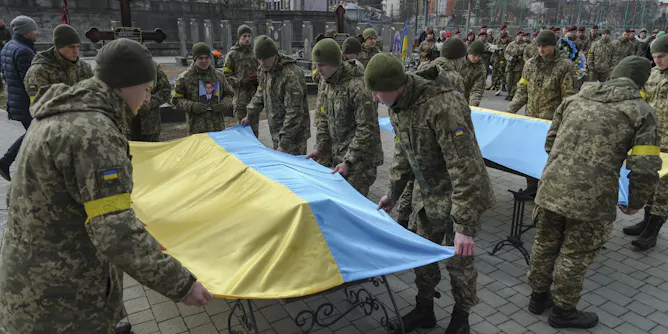
Plus, a rare archive of Ukrainian dissident literature from the Soviet era is now in danger. Listen to The Conversation Weekly.
Articles on National identity
Displaying 21 - 40 of 57 articles
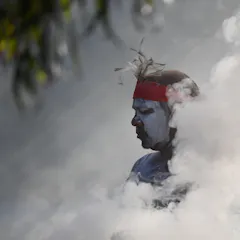
A new national survey shows the majority of Australians want the day left as it is. But it also suggests a groundswell for change is in the works.

Australians coalesced around a strong federal government during the second world war. In recent decades, however, the states have taken primacy in people’s lives.
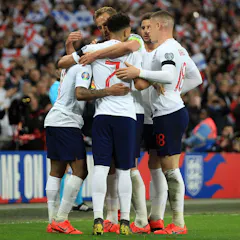
Could a national football team of multicultural players usher in a more inclusive version of Englishness?

Behind the multi-racial composition of the elite European teams competing in the tournament lies a complex and painful history.

What might the past offer us at this moment, and how will future generations reflect on this year? How will this present become the future’s past?
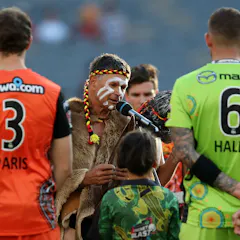
It takes a lot for brands to back away from commercialisation opportunities. Cricket Australia’s backing away from Australia Day is significant.

Based on the nostalgic yearning for an imaginary past, Kiwiana should be quietly retired in the face of massive social and political change.

In football, a number of African teams draw heavily on their European-born diasporas, a reflection of a colonial past and deeply entrenched migration routes.

If you think English footy fans have it hard losing in the semis in far away away tournaments, imagine being French and losing the Tour de France on your home turf every year.
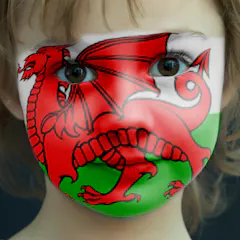
Since 1997, the ways people in the UK define their nationality has rapidly changed.
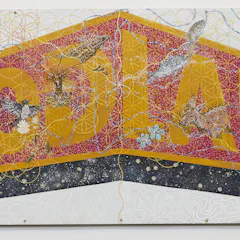
This Perth exhibition is a raucous, overwhelming, exciting and at times confusing immersion into ideas about national identity.
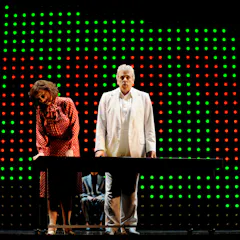
Australian operas have been written about many pressing topics - from the Stolen Generations to the Lindy Chamberlain case - but few have been staged a second time. What is going wrong?
After acts of violence, we want to make sense of what is right and wrong and where we stand in the world. But we must ensure our belief systems are periodically and systematically checked.

A survey of British Remain supporters living elsewhere in the EU after the referendum found feelings of shame and loss about what they felt their country had become.
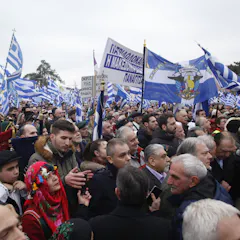
A giant rally in Thessaloniki and another in Athens show the strength of feeling in Greek Macedonia – and all over a country’s name.

A recent study might explain why there’s been such divergent, emotional responses to the NFL protests.

National team rules still aren’t doing diverse societies justice.
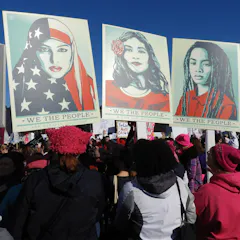
In the first study of the relationship between gender and national identity, the authors wonder if the answer might explain why the country still hasn’t had a female vice president or president.
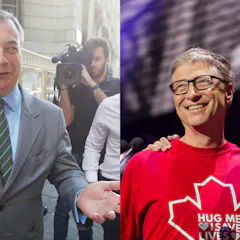
Data show that many people who consider themselves ‘global citizens’ also harbor strong national sentiments. The two aren’t mutually exclusive.
Top contributors
-

Director, Vice-Chancellor's Centre of Public Ideas (CoPI) and Donald Horne Professor of History and Public Ideas, University of Canberra
-
Honorary Associate Professor, University of Sydney
-
Executive Director of the Stone Center for Latin American Studies, Tulane University; King's College London
-
Professor, Strategic and Defence Studies Centre, Australian National University
-
Research Fellow, University of Sheffield
-
Professor of French Studies, School of Modern Languages, University of Bristol
-
Academic Manager/Head of Early Years and Social Work, University of South Wales
-
Professor of Law and Government, Durham University, Durham University
-
Reader in Political Science and International Relations, Aston University
-
Professor of International Studies, California State University, Long Beach
-
Adjunct professor, Carleton University
-
Coordinator, Centre of Visual Art, The University of Melbourne
-
Reader in History and Classics, Swansea University
-
Honorary Fellow, Deakin University
-
Senior Lecturer in Politics, University of Hull