
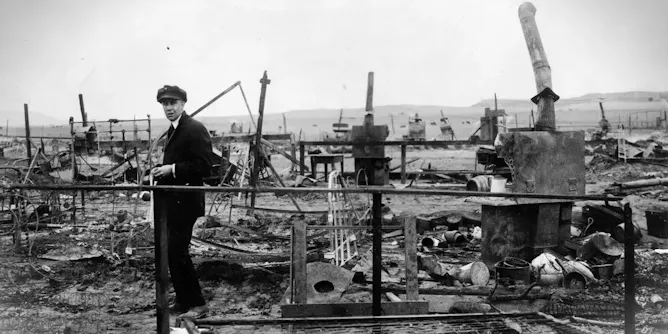
The Ludlow strike was one of the most bitter and violent in U.S. labor history.
Articles on miners strike
Displaying all articles
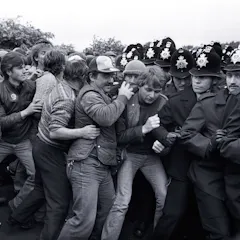
The announcement of an inquiry has been a long time coming for miners’ groups.

In the second part of our podcast series Know Your Place: what happened to class in British politics, we trace the history of class politics over the past century.

The strike saw different political factions uniting, which eventually led to a more collaborative form of politics in Wales.
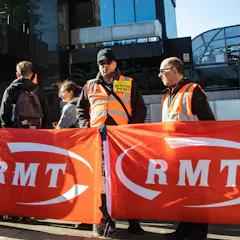
From unions and ballots to picket-lines and sympathy strikes.
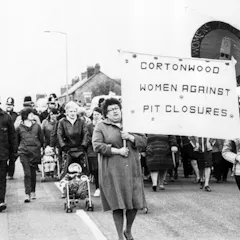
Women played and integral role in the year-long struggle – despite a culture that expected them to stay at home.
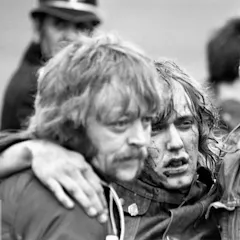
Latest releases suggest police collaborated on statements and benefitted from the Thatcher government’s desire not to hold an inquiry.
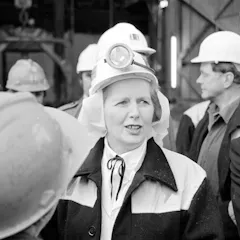
National Archive files reveal how the PM offered preferential treatment to a breakaway union in a bid to weaken its rivals.
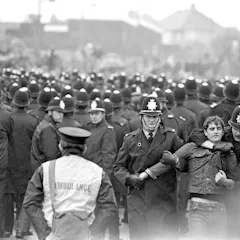
South Yorkshire Police has recently been criticised for how well it protects people and prevents crime, and it isn’t the first time.
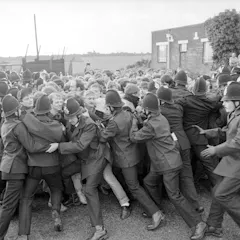
The truth is out on how the media’s reporting of the Hillsborough disaster impacted the public perception of the tragedy, but could the same be said for the British miners’ strike?
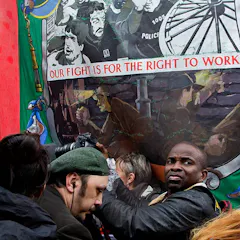
British orgainsed labour has remained relevant despite the onslaught suffered during the 1980s, but it lacks the institutional structure that would make the future secure.
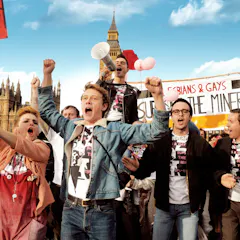
In a largely unknown aspect of the 1984-5 Miners’ strike, gay activists from London gave much needed help to an embattled South Wales community. Their story is told in Pride, a film released in the UK…
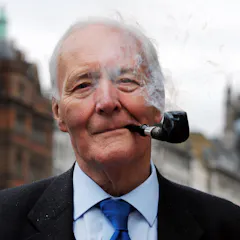
Tony Benn, who has died aged 88, was one of the great characters in 20th-century British politics. When he announced in 2001 he was “leaving Parliament to spend more time on politics” it was widely held…
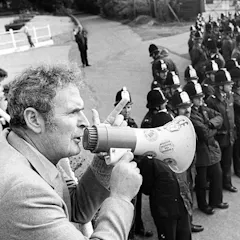
On 5 March 1984 workers downed tools at Cortonwood Colliery in South Yorkshire, in protest at the Conservative government’s plans to close pits across the country. A week later, National Union of Mineworkers…
Top contributors
-

Lecturer in Politics, Edge Hill University
-
Director of Undergraduate Studies, School of Journalism, Media and Cultural Studies, Cardiff University
-
Professor of Work and Employment, University of Glasgow
-
Senior Lecturer in Law, University of York
-
Senior Lecturer in Linguistics, Lancaster University
-
Professor of Political History, University of Nottingham
-
Postgraduate researcher of the Black Lives Matter movement, Nottingham Trent University
-
Lecturer in Modern and Welsh History, Bangor University
-
Lecturer in Political History, Bangor University
-
Research Fellow at the Work and Equalities Institute, University of Manchester
-
Senior Lecturer in Politics, Lancaster University
-
Professor of Politics, Queen Mary University of London
-
Host, Know Your Place podcast, The Conversation
-
Senior Lecturer in Contemporary British History, Newcastle University
-
Associate Tutor, University of Surrey