
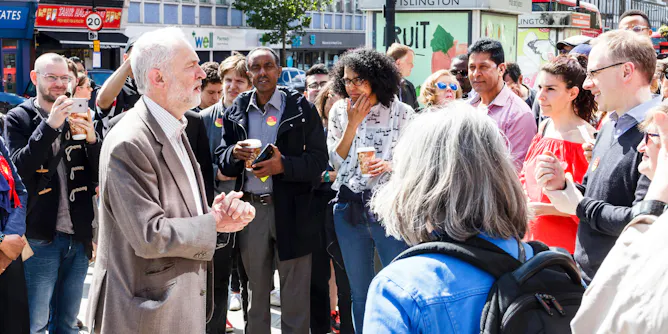
Newcomers have in fact proven much more successful at running as independents than big name politicians.
Articles on Keir Starmer
Displaying 281 - 300 of 324 articles
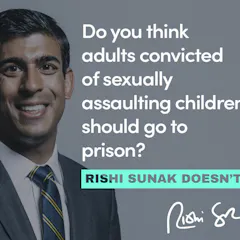
Beyond the ethical questions raised by an ad suggesting the prime minister doesn’t believe in sending sex offenders to prison is the matter of whether such negative campaigning even works.
He’s a man on five missions but he’ll need to learn from his predecessors to lead Labour back to power after over a decade out of it.

The senior civil servant who investigated the partygate scandal is leaving to join the opposition. It’s a very surprising move.

The public still does not know what the opposition party stands for. Inspiration could come from a surprising source.
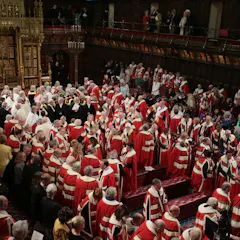
The plan to abolish the House of Lords has drawn the most attention but Labour is also proposing radical changes to how power is distributed.
Gordon Brown’s proposals include hefty devolution and House of Lords reform but one change that could have the biggest impact is nowhere to be seen.
With everyone from rail workers to civil servants going on strike over the winter, it’s hard to see this ending well.
Labour and Conservatives share a desire to wean the UK off a dependency on migrant labour.
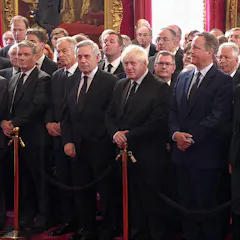
The gravity of the current situation is obscuring a less visible crisis – a failure of political imagination
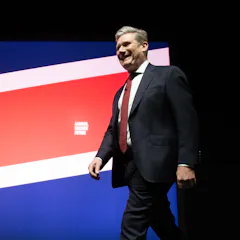
A state-owned start-up to promote renewables must be only a first step towards energy justice.
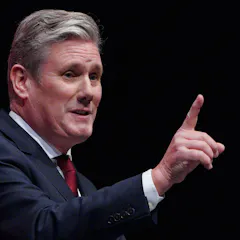
Forming a pact with the Liberal Democrats would make electoral sense in England – but Keir Starmer does not see it as a risk worth taking.
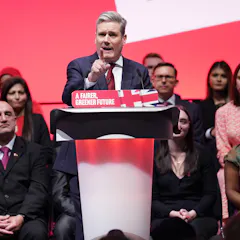
The dire economic outlook means bolder choices will be needed for an opposition party looking to win the next election.
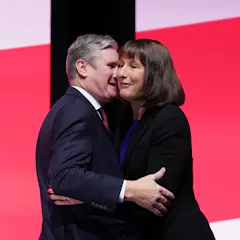
There’s a mountain climb but there are positive signs for the opposition in the first few weeks of Liz Truss’s government,
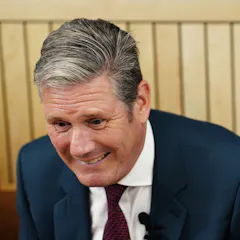
The Labour leader is actually quite good at building a narrative but he needs to be more consistent in his efforts.
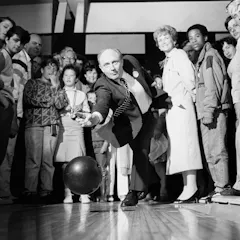
Kinnock lost two elections as Labour leader. Starmer could learn a lot from his successes and failures.
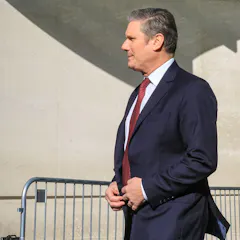
The question of whether the Labour leader broke the rules in Durham Miners Club will come down to whether the gathering was ‘reasonably necessary’ for work or election campaigning.
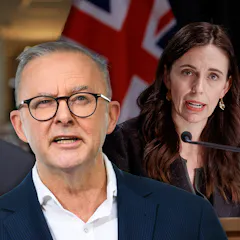
Anxious not to be easy targets for their pro-business opponents, labour parties everywhere now run on a ‘thin ideological platform’. Anthony Albanese’s ALP is no exception.
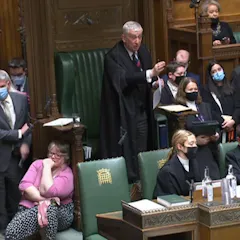
Why will calling someone a liar get you thrown out of the UK parliamentary debates, but using defamatory language might not?
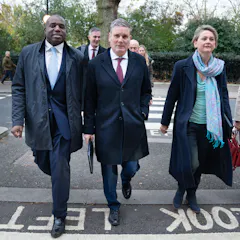
What’s behind the appointments to Labour’s front bench?
Top contributors
-

Senior Lecturer in Contemporary British History, Newcastle University
-
Professor, Department of Government, University of Essex
-
125th Anniversary Chair and Professor of Politics and Public Policy at the University of Birmingham, University of Sheffield
-
Senior Lecturer in Politics, Nottingham Trent University
-
Professor of Politics, University of Liverpool
-
Associate Professor in Politics and International Relations, Monash University
-
Honorary Research Fellow in Politics, University of Stirling
-
Lecturer in British Politics/Public Policy, School of Politics and International Relations, Queen Mary University of London
-
Professor of Modern British History, Anglia Ruskin University
-
Professor of Global Affairs, University of East London
-
Lecturer/Teaching Fellow, British Politics and Public Policy, Queen Mary University of London
-
Professor of Politics, Queen Mary University of London
-
Lecturer in Politics with International Relations, London South Bank University
-
Associate Tutor in Politics and Social Sciences, Edge Hill University
-
Professor of International Relations, University of Leeds