
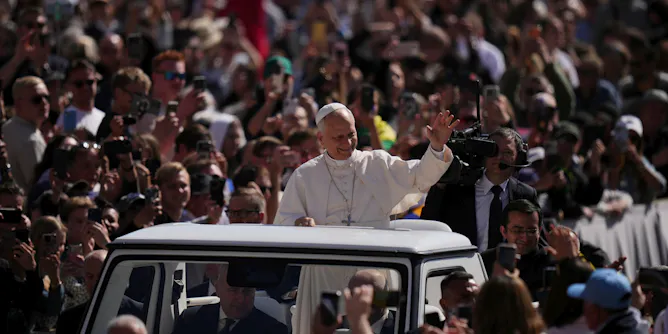
Pope Leo is following the teachings of Francis on human dignity and applying them to ongoing international crises, argues a scholar of global Catholicism.
Articles on Just war theory
Displaying all articles
Catholic peacebuilding expert Gerard F. Powers talks to The Conversation about the just war tradition.
Just war theory, developed over centuries, focuses on six criteria for assessing whether a conflict is justified.
The Catholic Church’s teachings on ‘just war’ have guided leaders’ long history of opposing many military interventions.
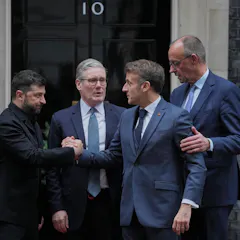
Just war theory, a centuries-old field of ethics, deals with how and when to start conflicts. It can also guide decisions about how and when to end them.

How can violence be viewed as ethical? Carlo Bordoni’s new book helps us understand why societies go to war and how they justify it.
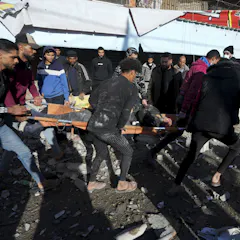
Just-war theory insists that civilians are not legitimate targets. However, civilian immunity does not provide blanket protection from harm.

Over centuries, theory on just war has developed six main criteria for assessing conflicts.

Cyber attacks have created new dilemmas for philosophers who determine the ethics of war.

A decision-making process that relies on intuitive feelings rather than careful deliberation invites a host of biases that make bad decisions and disproportional consequences far more likely.

Can a Czech soldier justify assassinating a Nazi leader when he knows that it could lead to thousands of innocent citizens being murdered in revenge? If so, how?
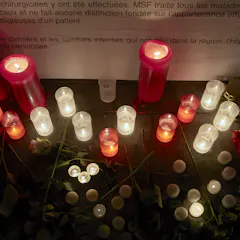
Bombing a hospital and killing doctors and wounded or sick persons may seem to be an obvious war crime. But the reality of both the law and the facts is significantly more complicated.
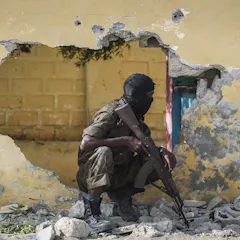
Political leaders frequently invoke Just War Theory to ground their explanations of why they are waging war against another state and how they plan to do so. What are the key components of this moral position?
Top contributors
-

Associate Professor, Political Science, Colgate University
-
Director of Catholic Peacebuilding Studies, University of Notre Dame
-
Professor in Political Theory, Durham University
-
Deputy Director, Institute for Ethics, Governance & Law, Griffith University
-
Professor of Political Science, Dickinson College
-
Associate Professor of International Law, Ono Academic College
-
Host, The Conversation Weekly Podcast, The Conversation
-
Clinical Professor of Law, Emory University
-
Professor of Religious Studies, College of the Holy Cross
-
Associate Lecturer, University of Notre Dame Australia
-
Professor of Psychology, University of Oregon