

What is acceptable from a minor party of protest may not be what voters want to see from a potential government.
Articles on insults
Displaying all articles
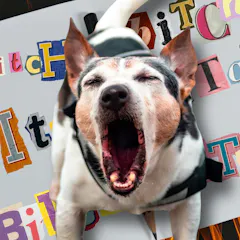
Bitch is a slur – and a powerful symbol – that continues to divide us. Unfortunately, it’s unlikely to ever be fully reclaimed. Here’s why.

Why do so many Americans share the concern that success and integrity are in conflict, as if one comes at the expense of the other?

While derision and mockery permeate airwaves and social media feeds, satire holds the key to creating a more informed, engaged electorate.

Epic poetry tends to be seen as highbrow, while action films are regarded as puerile and brutish. But the two share an affinity for dressing up brutal deaths with rhetorical flair.

A politician who wields a comeback with skill can use it as both a bludgeon and a shield, damaging the opponent without hurting their own popularity with voters.

It’s all about context.
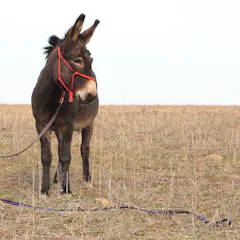
For more than two centuries, one particular epithet has resonated through US politics – and even helped inspire the unofficial mascot of a major political party.

A cognitive scientist observes that the words that bother college-age Americans today can cause harm.

Dealing successfully with rudeness can help people develop resilience and confidence.

Whether it frustrates or motivates your opponent can depend on the situation.

Calls to impose harsh prison sentences for verbal crimen injuria are often premised on the need to deter such behaviour.

Dehumanizing insults have become more common in political discourse. Psychology research has shown that they can prime us for violence – and even change our brains.
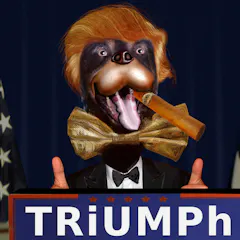
The Korean peninsula has a lengthy history of exchanging insults.
With the Trump presidency we may be entering a golden age of insult and name-calling. Trump is exercising leadership in this regard with about 300 people, places and things feeling his sting.
Top contributors
-

Professor of Journalism, Indiana University
-
Senior Lecturer in Criminal Justice, University of Cape Town
-
Associate Professor, Department of Korean History, Seoul National University
-
Assistant Professor of Psychology, University of Georgia
-
Researcher in Communication, University of Connecticut
-
Lecturer, Aston Institute for Forensic Linguistics, Aston University
-
James J. Stansell Associate Professor of Classics and Humanities, San Diego State University
-
Associate Professor of American Literature, University of North Georgia
-
Senior Lecturer in Psychology, University of Aberdeen
-
Professor of Cognitive Science; Director of the Language and Cognition Lab, University of California, San Diego
-
Professor of International Affairs and Comparative Literature, Penn State
-
Lecturer in Psychology & Clinical Psychologist, University of Aberdeen
-
Senior Research Fellow of Linguistics, University of Colorado Boulder; Griffith University; University of New England
-
Professor of Psychology, The University of Melbourne
-
Associate Lecturer in Public Policy, Flinders University