

The most important thing for parents to know is that the order does not change which vaccines are available to children and is not based on any new data about vaccine safety.
Articles on Immunization
Displaying 1 - 20 of 23 articles

New RSV tools can prevent infant hospitalizations, but access varies by province. Who is responsible for ensuring vaccine equity across Canada?

The key players of our immune system aren’t well understood. Here’s how vaccines give our immune players a home advantage to fight infection.
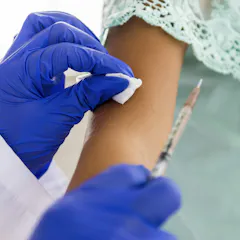
In an unprecedented move, health officials cut the number of vaccines routinely recommended for children from 17 to 11.

Federal officials are questioning the safety of the vaccine series children receive. Here’s the story of how the childhood vaccine schedule came about.
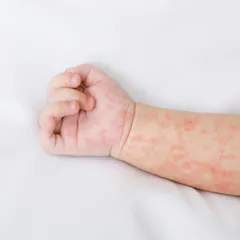
The resurgence of measles and whooping cough is troubling. The most effective way to prevent the return and spread of vaccine-preventable diseases is through vaccination and combating vaccine hesitancy.
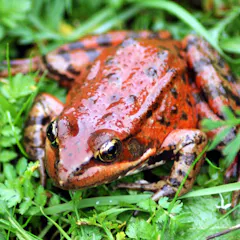
Amphibians have been devastated by a chytrid fungus pandemic. Researchers immunized California red-legged frogs in Yosemite to give them a fighting chance at survival, with surprising results.

According to a letter from Biden’s doctor, the president has a runny nose, mild fatigue and a slight cough. The letter also noted that Biden began taking an antiviral drug the morning he tested positive.

Vaccination campaigns like the ones that eventually eliminated polio and measles in the United States required decades of education and awareness in order to achieve herd immunity in the U.S. population.
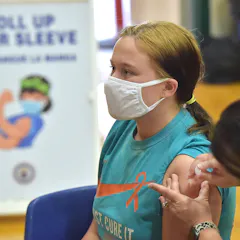
Some states have a legal framework allowing “mature minors” to make their own health care decisions – but they apply it in different ways, and some don’t have it at all.

As Los Angeles County again mandates masking indoors – even for the fully vaccinated – local health officials in the U.S. are closely eyeing their own COVID-19 vaccination and infection rates.
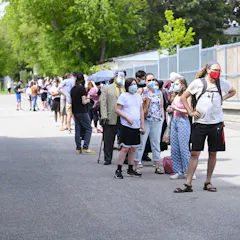
With youth ages 12 and over eligible for COVID-19 vaccination — and as trials for younger children move ahead — parental hesitancy is emerging as the new challenge for COVID-19 vaccine programs.
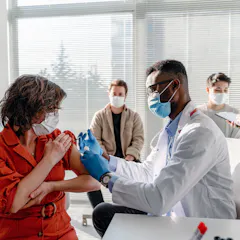
Vaccines have successfully curtailed viral diseases for decades. But as COVID-19 vaccination hesitancy shows, mistrust and misinformation continue to put lives at risk.

From maternity wards to primary care, Canadian researchers are looking to find the positive motivations of vaccine hesitant people, whether they are new parents or other adults.
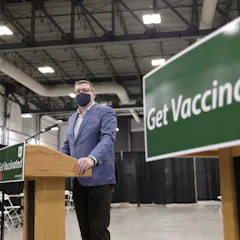
One important metric by which we can measure the success of our public health system: Ensuring everyone has access to immunization in their community.

Though COVID-19 has killed Black Americans at nearly twice the rate as white Americans, Black people are the least likely racial group to say they’re eager to get the vaccine.

Vaccine selfies are just the tip of the iceberg of doctor frustration over Canada’s fragmented vaccine rollout.

Public health recommendations have always been a hard sell. Resistance to new behaviors – like the mask-wearing and social distancing advised during the COVID-19 pandemic – is part of human nature.
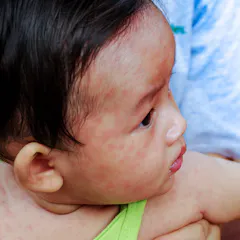
Seven to 10 days in bed with a high fever and rash is the best outcome you can expect if your child catches measles. Brain damage or death is the worst.
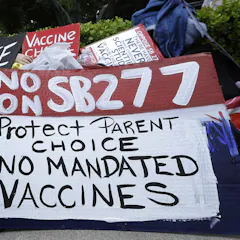
Opposition to vaccines still prevents many children from getting needed preventative care. Understanding who is opposed, and why, can help, but the answers may surprise you.
Top contributors
-

Clinical Associate Professor of Infectious Diseases, Stanford University
-
Assistant Professor of Sociology, Psychology, and Public Health, University of Nottingham
-
Emeritus Professor of Pediatrics, University of British Columbia
-
Professor of Surgery, Division of Public Health Sciences, Washington University in St. Louis
-
Lecturer (University of Tasmania), University of Tasmania
-
Clinical Associate Professor, School of Medical Science & Sydney Infectious Diseases Institute; Principal Hospital Scientist, University of Sydney
-
Associate Professor, School of Public Policy, University of Calgary
-
Conservation Ecologist, University of California, Santa Barbara
-
Professor of Anatomy, University of California, San Francisco
-
Associate Professor of English, affiliate with Africana Studies and Women's & Gender Studies, Clark University
-
Emergency Physician, University of British Columbia
-
Regents' Professor & Chair, Medical Laboratory Science, Texas State University
-
Associate Professor and Scientific Director of the O'Brien Institute for Public Health, University of Calgary
-
Associate Dean for Regional Campuses, University of California, San Francisco
-
Assistant Professor of Infectious Diseases, University of Virginia