
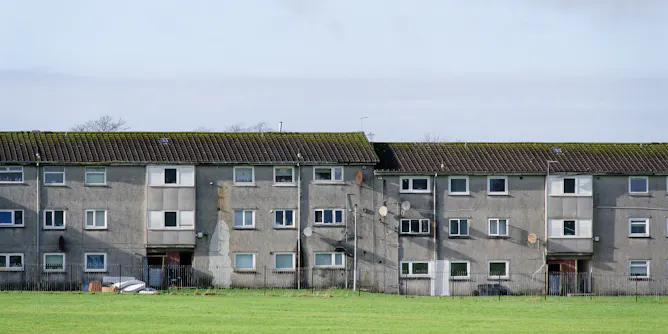
The ability to improve air quality in your home depends less on personal behaviour and more on who owns the building.
Articles on Housing damp and mould
Displaying all articles
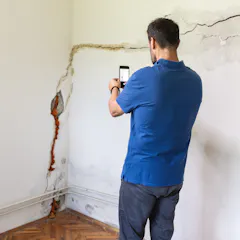
One described how the house was ‘excessively damp and mouldy, to the point where all of our furniture and clothes and stuff started to get mould on it.’
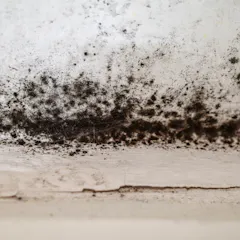
We still hear black mould in our homes described as toxic. But it’s the allergies and asthma they trigger we should be more worried about.

Drying wet clothes on racks in poorly ventilated spaces could increase the amount of harmful mould growing in your home.
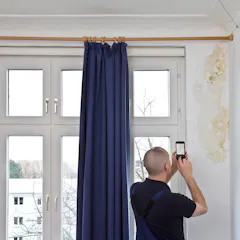
If the cause of the mould is related to the design and construction of the house, rental providers should act.

Apartment residents need more sustainable, climate-adapted designs. They shouldn’t have to depend on costly, high-emissions air conditioning to remain comfortable and healthy.
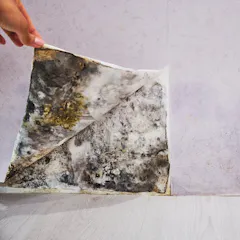
Here are 12 questions worth considering before you sign a residential tenancy agreement.
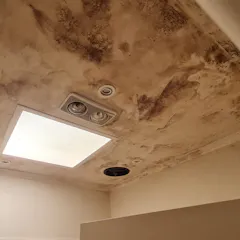
Mould is a health hazard and renters are most at risk. Here experts in health, law, building and construction examine the problem of mould in homes and offer guidance for both renters and landlords.
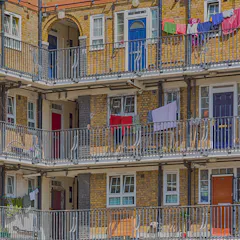
Tenants in social housing and the private rental market alike face discrimination and a lack of disrepair regulation.
Top contributors
-

Professor of Social Epidemiology and Director of the Centre of Research Excellence in Healthy Housing at the Melbourne School of Population and Global Health, The University of Melbourne
-
Adjunct lecturer, Victoria University
-
Professor of Leadership and Management, Edge Hill University
-
Research Associate, City Futures Research Centre, UNSW
-
Professor, Immunology and Immunotherapy, University of Birmingham
-
Senior Lecturer in Pharmacology, Adelaide University
-
Research Associate, HHAUS research group, Swinburne University of Technology
-
Postdoctoral research fellow, Swinburne University of Technology
-
Postdoctoral Research Associate in Atmospheric Emissions, University of York
-
Researcher, Cardiff University
-
Associate Professor in Housing, School of Property, Construction and Project Management, RMIT University
-
Lecturer in Indoor Air, University of Leeds
-
Senior Lecturer, Discipline of Geography and Sustainability, School of Health and Society, University of Wollongong