

Transgender children and adolescents use puberty blockers to help prevent the masculinising or feminising physical changes that occur during puberty.
Articles on Gender dysphoria
Displaying all articles

Because of ethical considerations, there are no clinical trials comparing the effects of hormone therapy to conversion therapy on trans youths. But a set of recent studies tease out cause and effect.
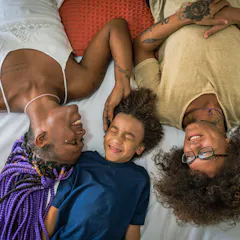
Trans motherhood showcases the unique joys of being transgender, be it through developing a deeper connection with one’s own child or caring for others in one’s community.

The first transgender medical clinic opened in the US in the 1960s. But cisgender and intersex children began receiving similar treatments even earlier – often without their consent.

Even though every second person will get their period, it can still come as a shock. Parents can help with good information and support.

Being both trans and a person of color comes with a unique set of challenges. Collectively working toward overcoming these barriers is one way this community fights for survival.

Some skeptics say that the growing prevalence of transgender teens is a fad. But history and some recent research show it’s not so simple.
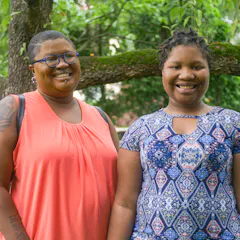
A psychologist and expert on gender diversity explains strategies for creating a healthy environment for trans or nonbinary kids.
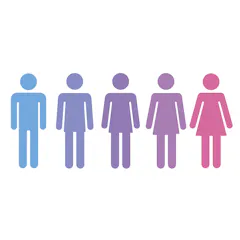
Transgender youth have a number of research-backed medical options available to them. The multidisciplinary approach ranges from promoting family support to hormone treatments to surgery.
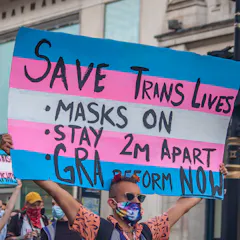
Trying to get help for gender dysphoria is rigorous and stressful for young people and their families, it shouldn’t be this way.

So-called “puberty blockers” work by temporarily suppressing the action of a specific hormone in the body.

Trans and non-binary people often avoid seeing a doctor because they fear discrimination. Health professionals need better training to provide gender-affirming care.

When a male bluehead wrasse is removed from the group he dominates, the largest female changes sex, rapidly transforming ovaries into sperm-producing testes. Molecular research shows how.

Young people with gender dysphoria have high rates of mental health issues which makes conducting ethical research trials complex.

It’s not about trauma or how you were raised: evidence now points to a biological basis for transgender, and to the action of particular genes in that determination.

‘Rapid-onset gender dysphoria’ suggests children are being persuaded into transgender identities before they know what that means. This theory is best explained by transphobia and research study biases.

Until now, Australia was the only country that required youth with gender dysphoria to seek approval from the Family Court for the second stage of hormone treatments.

At age four treatment for gender dysphoria consists of counselling, and nothing irreversible.

The legal steps they’re required to take for gender dysphoria treatment places an unnecessary burden on children and their families.

Imagine yourself as a doctor consulting with a child who is experiencing profound discomfort. At times, the parents inform you, the child’s profound discomfort escalates, manifesting in profound distress…
Top contributors
-

Dean and Professor, Law School, La Trobe University
-
Jenny Graves is a Friend of The Conversation.
Distinguished Professor of Genetics and Vice Chancellor's Fellow, La Trobe University
-
Senior Project Officer, Community Child Health, Population, Health, Genes and Environment, Murdoch Children's Research Institute
-
Research Fellow in Youth Suicide Prevention, The Kids Research Institute Australia
-
Consultant Neonatologist and Professor of Ethics, University of Oxford
-
Postdoctoral fellow, Vanderbilt University
-
Associate Professor in Global Health and Society, University of Bradford
-
Assistant Professor, Arizona State University
-
Assistant Professor, Faculty of Law and John Dossetor Health Ethics Centre, University of Alberta
-
Lecturer, Deakin University
-
Sesquicentennial Distinguished Professor, University of Otago
-
Professor of Adolescent Health, Co-Head of the General Practice Clinical School, University of Sydney
-
Assistant Professor of Health Policy and Administration, University of Illinois Chicago
-
Associate Professor of History, Roanoke College
-
Senior Lecturer, Australian Centre for Health Law Research, Queensland University of Technology