
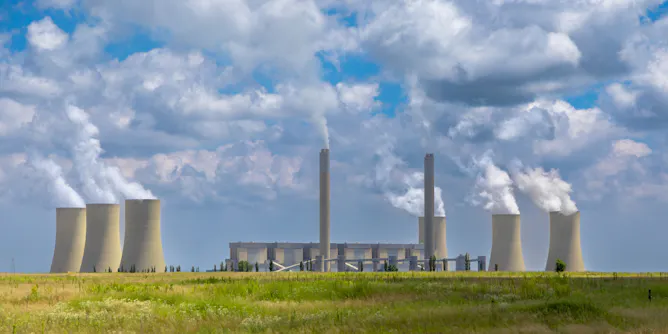
The court ruling that it’s a constitutional right to have clean air highlights the fact that South Africa needs to improve air quality urgently.
Articles on Gauteng
Displaying 21 - 40 of 48 articles
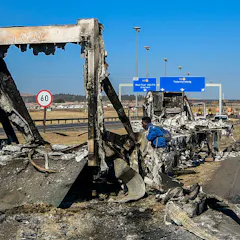
The glaring failure by authorities to secure an area notorious for attacks on trucks prompts questions about, at best, utter ineptitude, or at worst, complicity.

An uncomfortable reality is that looting is perceived by the looters to be socially acceptable and is often encouraged and endorsed within social and community networks.
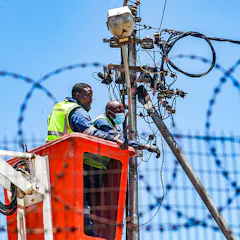
South Africa is quite capable of delivering world-class healthcare to all its citizens. But this is constantly being hampered by an increasingly unconducive environment.
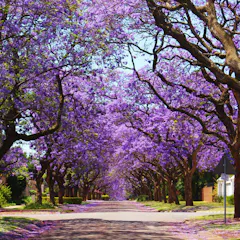
Climate change is causing jacarandas to flower earlier. If this trend continues, they could be at risk of flowering when it’s too cold and become dormant.
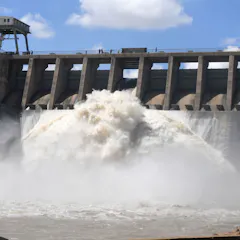
Gauteng citizens need to know the uncomfortable truth: for the next six years, their water supplies will increasingly have to be restricted.
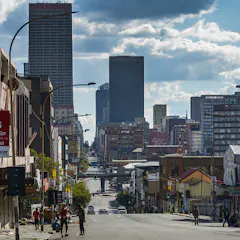
Labour migrants from other provinces into Gauteng and the Western Cape are more likely to be employed than the two provinces’ permanent residents.
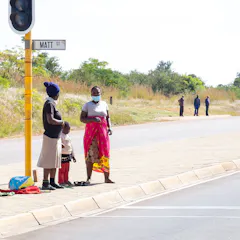
Women are testing positive at a higher rate than men and women, they have a greater social and economic vulnerability, particularly during lockdown, with working-age being the most affected.
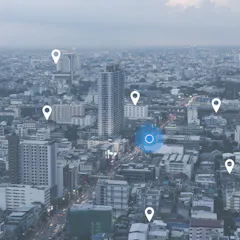
Address data are maintained in silos at different government entities. There is limited coordination and adherence to international standards; good practice is lacking around information management.
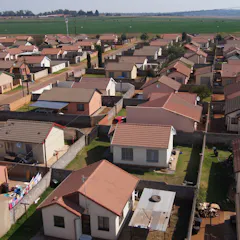
Vulnerability in the context of Covid-19 is really complex. Many households in Gauteng have different challenges.
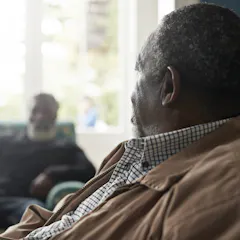
Households headed by the elderly are likely to be particularly vulnerable in the COVID-19 pandemic.

Most of the community radio stations operate on a survivalist level, and should be seen as struggling small, medium and micro enterprises.
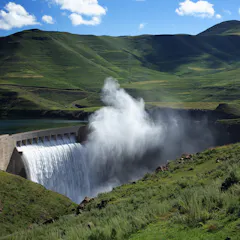
South Africa’s Department of Water and Sanitation has plans in place to ensure adequate water supply until 2040 and beyond.
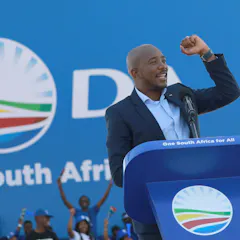
Because it’s a blend of political influences the transition it is facing has, inevitably, had an existential effect on the Democratic Alliance.

Politicians oppose toll roads on Johannesburg’s highways, yet they are textbook example of progressive taxation that favours the poor.
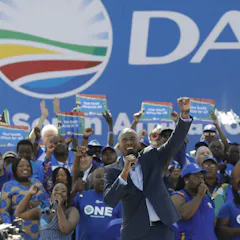
Despite its endurance, the Democratic Alliance still hasn’t found a firm foothold to grow the votes in South Africa’s changing political landscape.
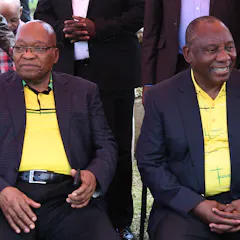
The election will not change the government, but may change the balance of power between the two factions of the governing ANC, led by Cyril Ramaphosa and Jacob Zuma.
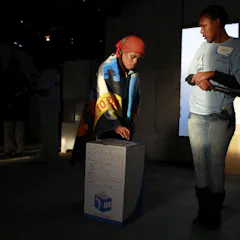
The current crisis in British politics is significant for countries like South Africa where a change in electoral systems is needed.
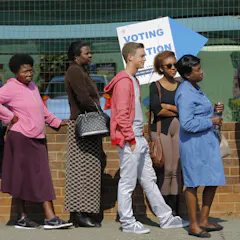
South Africa’s polls have been praised for adhering to international election best practice. But, they are not without problems.
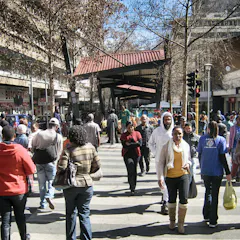
The latest data offer a vital resource for understanding Gauteng’s multi-faceted challenges.
Top contributors
-

Researcher of urban & cultural studies, Gauteng City-Region Observatory
-
Senior Researcher, Gauteng City-Region Observatory
-
Researcher, Gauteng City-Region Observatory
-
Professor, University of the Witwatersrand
-
Senior Researcher, Associate Professor: Economic Management Sciences, University of Pretoria
-
Professor of Law, University of the Witwatersrand
-
Professor of Sociology, University of the Witwatersrand
-
Executive Director, Gauteng City-Region Observatory
-
Director: Research Strategy, Gauteng City-Region Observatory
-
Visiting Adjunct Professor, School of Governance, University of the Witwatersrand
-
Professor of Urban Governance, University of the Witwatersrand
-
Professor of Political Studies, University of Johannesburg
-
Professor in Political Science, University of South Africa
-
Senior Researcher, Gauteng City-Region Observatory
-
Political Scientist, University of the Western Cape