
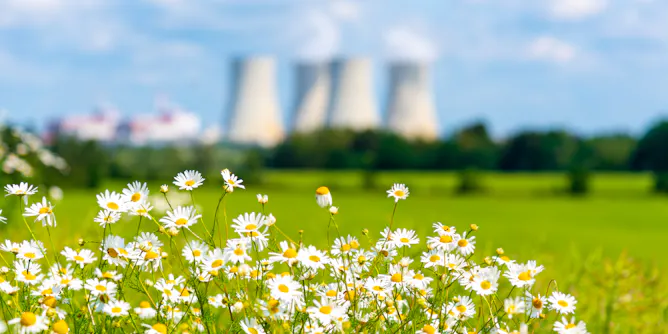
The UK government sees a reliable and low-carbon solution to future energy crises in nuclear power.
Articles on Gas prices
Displaying 61 - 80 of 101 articles

The government’s failure to insulate housing stock has meant that households aren’t insulated from record energy prices.
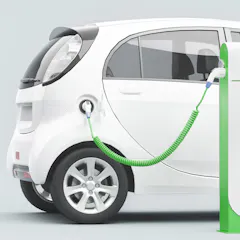
Electric cars are still more resilient to price shocks than vehicles running on fossil fuels.

Dozens of energy suppliers could go bust in the coming months.

Energy prices, unemployment, inflation – it’s all looking a bit 1978. And that’s without COVID.
The government can no longer delay decisions on the future of gas in Britain’s energy system.

The average price of US goods and services surged in April, leading some to worry the economy is beginning to experience dangerously high levels of inflation. A scholar explains why that’s unlikely.
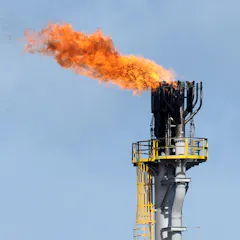
If Australia is the biggest gas exporter in the world, why are we shipping it back in? Because the gas market is dysfunctional - and it means consumers are suffering.
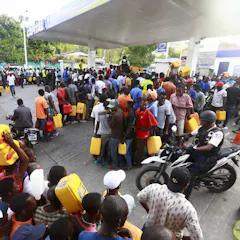
Haiti has been paralyzed by general strikes and crippling fuel shortages for much of September. Its government is barely functioning. Here’s the history behind the crisis.
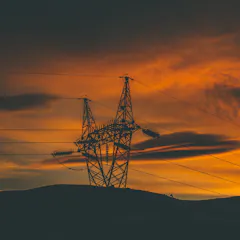
A Grattan Institute report has found renewable energy investment could offer a path to lower rates, but they won’t drop below 2015 prices.
Oil prices have little to do with supply or demand or even economic forces. Instead, it’s all about politics.
Manufacturers always have to make trade-offs when they design new cars, balancing the need to protect public health and the environment with their urge to wow customers.
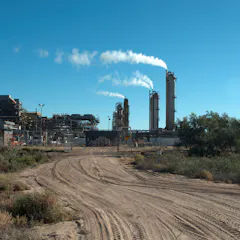
The government’s handshake deal with gas suppliers may have stopped the market plunging off a cliff, but it’s not doing much more.
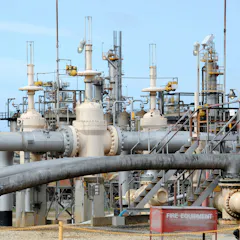
We can make up 70% of Australia’s projected gas shortfall simply by improving energy efficiency and sensible use of gas alternatives.
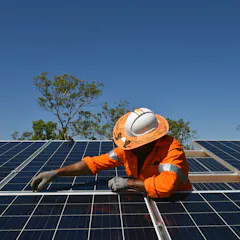
The price of renewable energy will fall significantly relative to new-build coal in coming decades, making an all-renewable electricity system more desirable, both economically and environmentally.
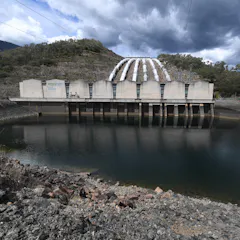
Energy security requires both short and long planning. Recent gas and hydro announcements are a promising start towards some proper joined-up thinking.
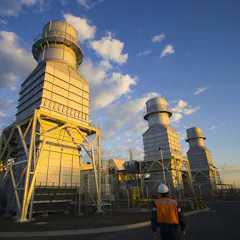
The current domestic gas crisis will pass. But if the industry wants to surpass coal and fulfil its role as a ‘transition fuel’, it should lobby for a carbon price to help it on its way.
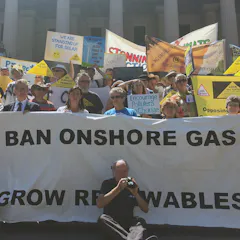
The federal government seems keen to usher in a new boom in onshore gas production. But gas firms will need to tread carefully, as past experience in Queensland’s fracking heartland shows.

The current flurry of energy policy aims to make power cheaper and more reliable. But it will take more than that to meet vital longer-term goals like cutting carbon while keeping future prices low.

The goals are clear: clean, cheap, reliable energy. But no-one can agree how we get there.
Top contributors
-

Professorial Fellow, University of Canberra
-
Energy Advisor, formerly, The University of Melbourne
-
Senior Industry Fellow, Environment and Planning, RMIT University
-
Professor of Global Energy, Warwick Business School, University of Warwick
-
Professor of Law, Deakin University
-
Senior Fellow in Energy and Climate Change, Grattan Institute
-
Professor and Director of the Centre for Energy Policy, University of Strathclyde
-
Professor of Sustainable Energy Business and Policy, University of Strathclyde
-
Assistant Professor of Economics, Georgia Institute of Technology
-
Energy Fellow, Grattan Institute
-
Lecturer in International Studies, University of Washington
-
Assistant Professor of Economics, Clark University
-
Emeritus Professor of Sociology, Australian National University
-
Lecturer in Energy Systems, University of Oxford
-
Research Associate Professor, Biocomplexity Institute, University of Virginia; Cornell University