
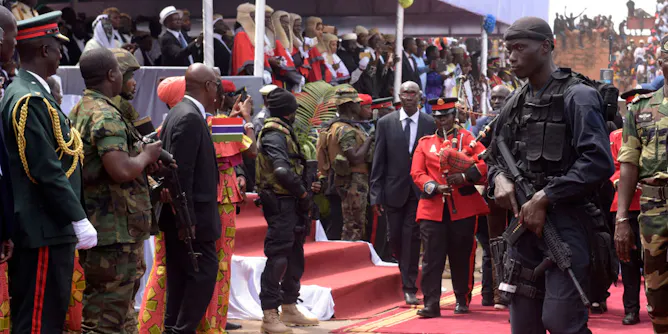
Despite its current crisis, Ecowas can look back on successes in integration, peace and security, and good governance.
Articles on G5 Sahel Joint Force
Displaying all articles
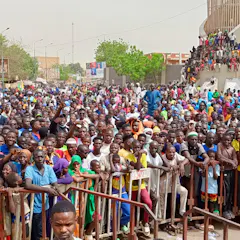
As the US winds down its military operations in Niger, it is clear that its presence did not lead to eradication of terrorism in the country.
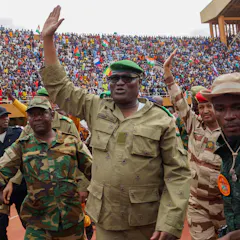
A combination of Nigerian and Nigerien factors dim prospects of Ecowas military intervention in Niger.

The new ECOWAS chairman must focus on strengthening democracy and security in west Africa.
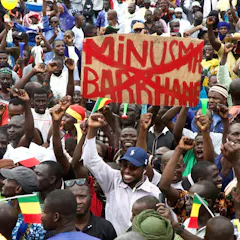
The transitional government is determined to change its partners to fight insecurity in Mali – but results will be hard to come by.
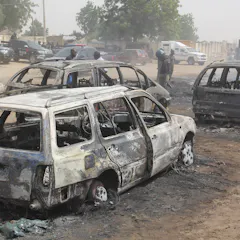
Political extremism has a checklist. The more boxes are checked, the closer political extremism gets.
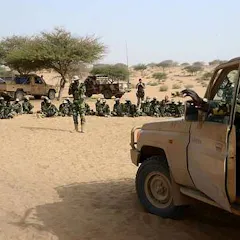
International support for Déby and the dependence on Chad’s peacekeeping troops had a downside: it came at the expense of democracy and respect for human rights.

Though its full impact is unpredictable, the withdrawal of France from Mali will have some likely effects.
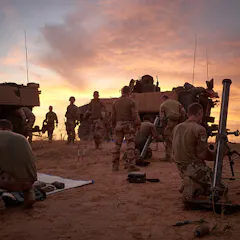
There are few visible results on the ground after eight years of war in Mali.
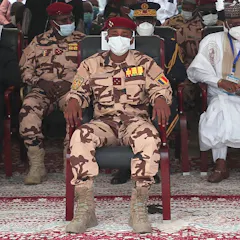
Chad’s political institutions are corroded by corrupt politics to a degree that make true political reforms highly unlikely.
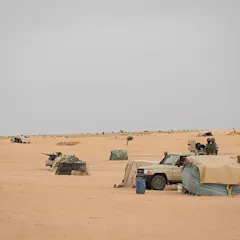
The political will displayed by the Sahel member countries of the G5 Task Force appears to be out of step with the actual capabilities of their armies.
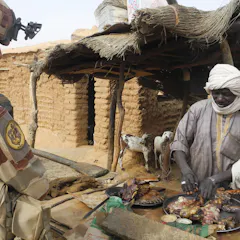
The over-militarisation of the crisis across the Sahel region has done little to foster stability.
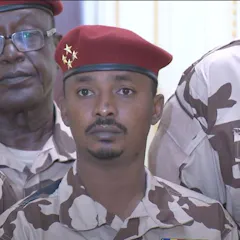
The struggle among elites has not resulted in efforts to improve the material lives of ordinary people unconnected to the political elite.
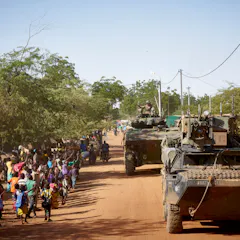
More than 20 years after the shift from unilateralism to multilateralism, it is reasonable to wonder how multilateral France’s ‘new interventionism’ really is.
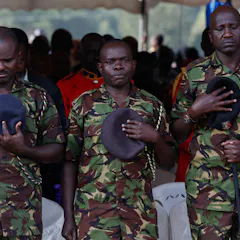
New evidence has made possible a more accurate estimate of how many African personnel have died since the Somalia mission deployed in March 2007.
Top contributors
-

Professor of Conflict Studies, School of Conflict Studies, Université Saint-Paul / Saint Paul University
-
Associate professor in Politics and International Relations, Leeds Beckett University
-
Associate Professor, Royal Danish Defence College
-
Lecturer in Political Economy of Violence, Conflict and Development, SOAS, University of London
-
Lecturer-researcher, Université des sciences juridiques et politiques de Bamako
-
Chargé de cours et chercheur en études des conflits, Université Saint-Paul / Saint Paul University
-
Professor of International Affairs, George Washington University
-
Senior Researcher
-
Lecturer of Political Science, University of Hamburg
-
Professor of African and French Studies, University of Portsmouth
-
Faculty of Academic Affairs & Research, Kofi Annan International Peace Keeping Center
-
Adjunct Research Fellow, Curtin University
-
Senior researcher, The Nordic Africa Institute
-
Professor of Foreign and Development Policies, Cardiff University
-
Associate Professor, Global Political Sociology, Roskilde University