

Decreases in respiratory infections during the pandemic suggest there may be a continued role for the selective, non-mandated use of measures like masks and social distancing even post-COVID-19.
Articles on Flu
Displaying 81 - 100 of 197 articles

Whooping cough rates are the lowest they’ve been for years. But what comes next?
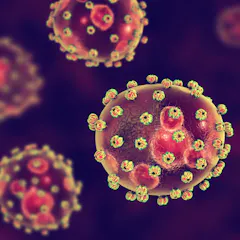
Given the small number of people that have been affected, the threat to the wider community is low.

In some cases, fever reducers and extra fluid intake can weaken the body’s response to infection.
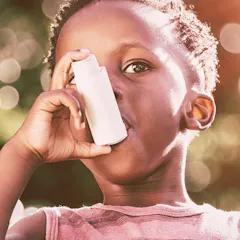
Not only have asthma attack rates decreased during the pandemic, evidence suggests people with asthma are not at increased risk of severe outcomes from COVID.
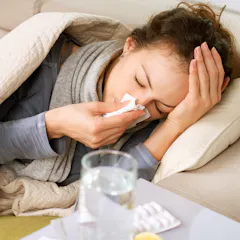
Social distancing has shielded us from other respiratory viruses – but that’s not necessarily a good thing.
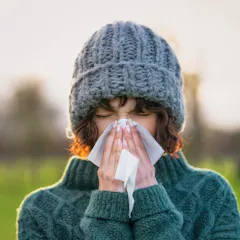
Recent computer modeling shows the upcoming flu season might see a surge in cases. Coupled with COVID-19’s continued threat, doctors are again urging Americans to get their shots.
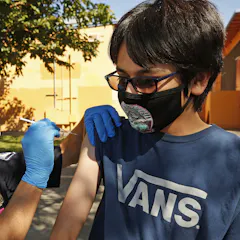
For decades, US schools have been common sites for vaccine clinics to respond to outbreaks and provide catch-up immunizations. So why are they suddenly controversial?
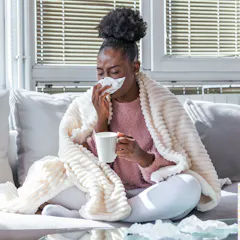
Comparisons with flu are unhelpful – these diseases need to be treated differently.
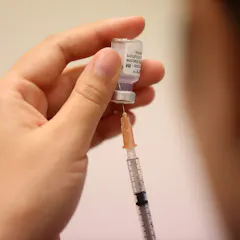
Age and education level are the main factors associated with vaccine hesitancy. While this affects Māori and Pacific communities, basic access to health care and information is more important.

Americans were tired of social distancing and mask-wearing. At the first hint the virus was receding, people pushed to get life back to normal. Unfortunately another surge of the disease followed.
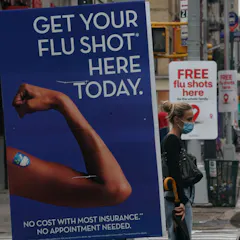
You need a new shot every year because current flu vaccines provide limited and temporary protection. But researchers’ new strategy could mean a one-and-done influenza vaccine is on the way.

Going out in the cold won’t necessarily lead to you getting a cold. But cold weather in general is more hospitable to viruses, so it’s wise to take steps to keep your immune system strong.
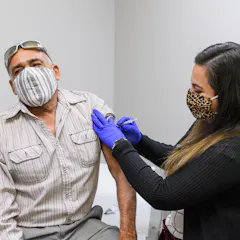
Millions of Latinos may not get the influenza shot this year, which could be an indicator of whether they will get a COVID-19 shot. A rural clinic shows how building trust can help overcome reluctance.
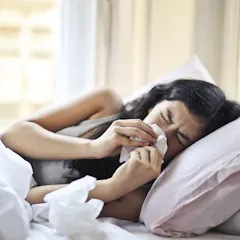
Resistant bacteria aren’t the only risk posed by overprescribing antibiotics. A more immediate risk is side-effects and reactions, which a new review shows are surprisingly frequent and often severe.
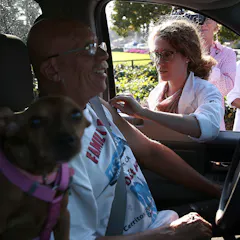
Many people object to the added ingredients in vaccines. But pharmacists explain why those fears are unwarranted.
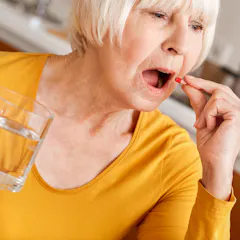
These drugs may help slow or reverse immune system decline.
A new study is the first to identify sex differences in inflammation and immune cell activation in response to SARS-CoV-2 infection, which causes COVID-19.

The pandemic has exposed many of us to new statistical concepts, on the news, in everyday conversations and on social media. But how many are you getting wrong?
A team of experts argues that after taking care of essential workers, COVID-19 vaccinations should be given to the greatest transmitters of the virus, who are mostly the young.
Top contributors
-

Professor of Infectious Diseases, Monash University
-
Professor of Nursing, Purdue University
-
Paediatrician, Infectious Diseases Physician and Clinical Microbiologist, The Kids Research Institute Australia, The University of Western Australia
-
Adjunct Associate Professor, Faculty of Medicine
-
Professor of Global Biosecurity, NHMRC L3 Research Fellow, Head, Biosecurity Program, Kirby Institute, UNSW
-
Deputy Director, WHO Collaborating Centre for Reference and Research on Influenza
-
Adjunct Associate Professor of Epidemiology, University of California, Los Angeles
-
Associate Pro Vice-Chancellor: Innovation and Knowledge Exchange, University of Nottingham
-
Professor Emerita, Nursing, School of Nursing and Midwifery, Griffith University
-
Professor Emerita of Biology, Indiana University
-
Medical Epidemiologist at the National Institute of Communicable Diseases and Lecturer at the School of Public Health, University of the Witwatersrand
-
David King is a Friend of The Conversation.
Senior Lecturer in General Practice, The University of Queensland
-
Virologist, The University of Queensland
-
Honorary Associate Professor
-
Research Fellow, American University School of Public Affairs