
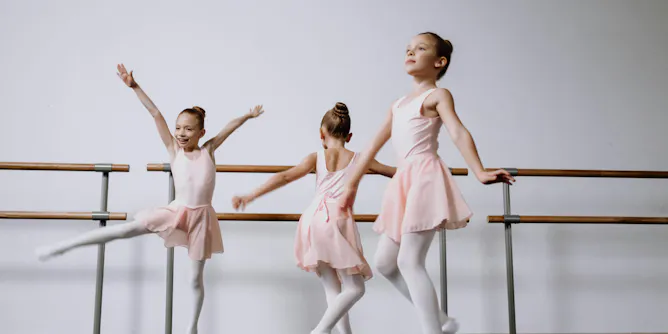
Extra sport, music or dance can be a great way to develop your child’s interests and skills. But it can also be expensive and stressful for families.
Articles on Extracurricular activities
Displaying all articles
Researchers with expertise in parent-child relationships and child development offer 5 tips about how parents or caregivers can find a balance between children’s structured and unstructured time.

The controversial – and often misunderstood – extracurricular groups tend to raise controversy. But under equal access laws, schools can’t discriminate against a club based on its point of view.
As adults, we can reflect on experiences we’ve had in life that have helped build our resilience. But kids and adolescents are still developing grit and the ability to work towards a goal.

Year-round academic and extracurricular opportunities that encourage cultural exchange between international students, their peers and the wider society are important.
Extracurricular activities help children from low-income suburbs close the gap between them and their better-off peers. But subsidies for these activities are patchy and often limited to sport.
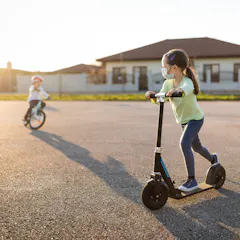
In some parts of the US, a silver lining of COVID-19 may be a return to childhood friendships based in neighborhoods.

A scholar of intensive after-school ‘hyper education’ says it’s becoming a more common extracurricular activity for children of all ages.

Does the International Baccalaureate make for a better rounded education for students?
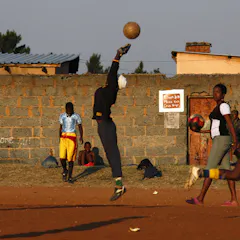
When after-school clubs aren’t properly monitored, they can become risky spaces.

Maybe you shouldn’t meet at that time and place? Research shows that the clock and the calendar can be a drag on leisurely activities.

New research finds clubs can help close the education gap and improve children’s social skills.

Five percent of seven-year-olds are having some kind of extra tuition. Why?
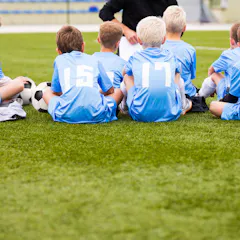
Put young children in football or karate class and they concentrate better in the classroom.
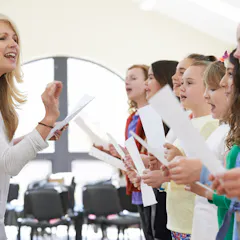
Disadvantaged pupils know what they’re missing when it comes to extra-curricular activities.

Surveys show that 95% of high school students and 70% of college students are involved in some form of cheating.
Even though America claims to be a society based on hard work and meritocracy, rewards go only to those with the right college degree.
Top contributors
-

Professor of Education Research, School of Education, University of Birmingham
-
Senior Lecturer, Demography and Population Studies, Schools of Social Sciences and Public Health, University of the Witwatersrand
-
Thomas and Dorothy Litwin Professor of American Studies and Dean of the School of Continuing Education and Summer Sessions, Cornell University
-
Professor, Durham University
-
Professor of Educational Inclusion, Newcastle University
-
Professor of Education and Public Policy, Durham University
-
Professor, School of Psychoeducation and researcher at CHU Sainte-Justine, Université de Montréal
-
Head of Children, Families & Work, Policy Research Centre, National Centre for Social Research
-
Associate Dean, Director Student Conduct and Conflict Resolution, University of Florida
-
Professor of Marketing, The Ohio State University
-
Lecturer in Education, University of Bath
-
Professor, Canada Research Chair in Determinants of Child Development, Owerko Centre at the Alberta Children’s Hospital Research Institute, University of Calgary
-
Associate Professor of Psychiatry and Behavioral Neurosciences, Merrill Palmer Skillman Institute, Wayne State University
-
Lecturer, School of Education, RMIT University
-
Postdoctoral Research Fellow, Department of Psychology, University of Calgary