

Shows are being broadcast to empty studios but audiences are fundamental to the quality of entertainment.
Articles on Entertainment
Displaying 61 - 80 of 96 articles

Algorithmic forces fuel cancel culture. Paradoxically, they’re also used to rehabilitate those who have been canceled.
The programs that Americans of all political stripes like to watch seem to be united by a common theme.

Climate change is mentioned in British television about as often as zombies.
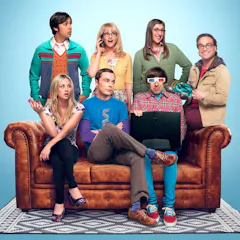
A physicist reflects on the show’s made-up Nobel Prize-winning theory of ‘super asymmetry’ along with how the series showcased authentic science and role models for future STEM students.
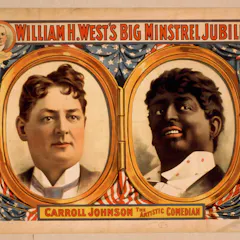
The public was shocked by the blackface image on Virginia Gov. Ralph Northam’s yearbook page. But if blackface is now taboo, there was a time when it played a big role in American culture.

Games have come a long way since their genesis in the 1970s. Today, games designers consult with ecologists and other experts to create worlds that feel alive and real.
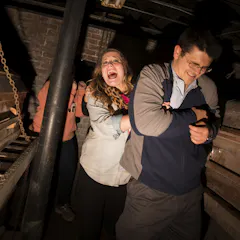
Visiting a haunted house or watching a horror movie can be terrifying and enjoyable at the same time. A sociologist explains the psychological benefits of being safely scared.
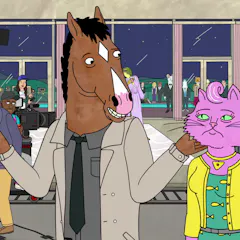
Depression, addiction and misanthropy in cartoon form.
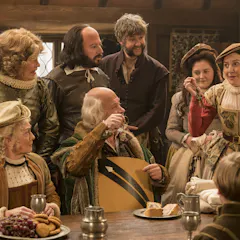
Shakespeare can survive a little chipping away at his 400-year reputation.
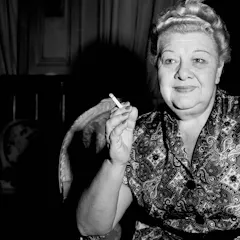
‘I Don’t Want to Get Thin,’ singer Sophie Tucker proclaimed – an attitude that was decades ahead of its time.
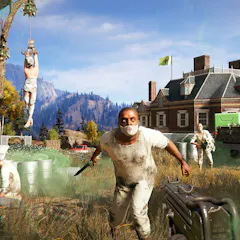
The story of this video game speaks to what seems a powerful political moment, of an American nation literally at war with itself.
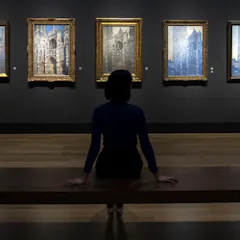
Charging over £20 for admission is one thing – but what about reaching beyond the usual audience?

These professional entertainers are trained and paid to go round hospitals cheer up children with music and laughter.
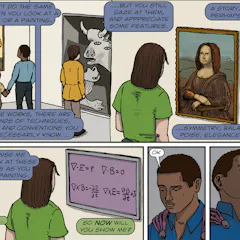
You might not think much about science topics as part of your everyday life. But science – like art, music, religion – is part of our culture, and scientists can help it reclaim its rightful place.
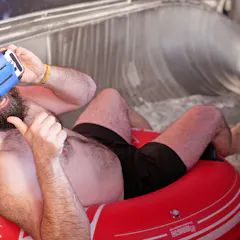
Rollercoasters have grown higher, faster, loopier and they’ve even entered the virtual world. Soon you might not even need to visit a theme park to enjoy the ride.
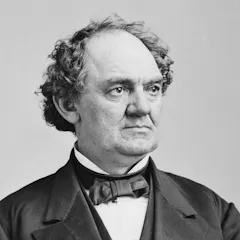
The new movie about P.T. Barnum couldn’t come at a better time: It’s impossible not to see his ghost in our culture, in our advertisements and in our president.
The nature of the entertainment industry has always made some more vulnerable.

But how does it stay relevant in the world of Spotify and iTunes?

Why do nonprofit fundraisers juxtapose calls to feed the hungry, house the homeless and cure cancer with champagne toasts?
Top contributors
-

Digital media experience producer and researcher, CQUniversity Australia
-
Lecturer in Broadcast Journalism, University of Salford
-
Professor of Creative and Cultural Industries, University of Nottingham
-
Professor of Organization and Business Ethics, Northumbria University, Newcastle
-
Post-Doctoral Research Fellow at the Annenberg Public Policy Center, University of Pennsylvania
-
Professor of Physics and Astronomy, USC Dornsife College of Letters, Arts and Sciences
-
Professor of Accounting, The Ohio State University
-
Associate Professor of History, University of South Carolina
-
Artist, Curator, Producer, RMIT University
-
Senior Lecturer in Creative Media, University of Salford
-
Assistant Professor of Human Factors, Embry-Riddle Aeronautical University
-
Lecturer in Early Modern Literature, University of Kent
-
Associate Professor in Astronomy, Monash University
-
Professor of Psychology, Wichita State University
-
Professor of Life Sciences Communication, University of Wisconsin-Madison