
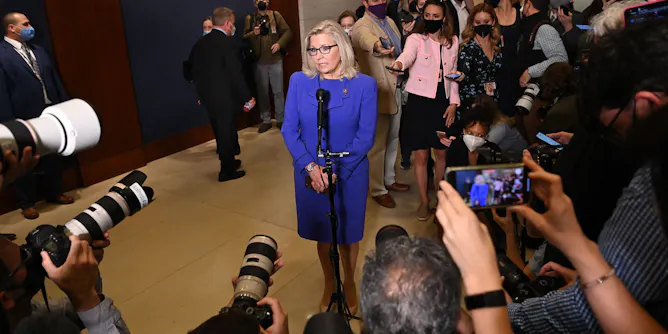
Rep. Liz Cheney may have been exiled from her party’s leadership, but she’s after a bigger thing: the restoration of politically conservative values in the GOP and its voters.
Articles on Election fraud
Displaying 21 - 40 of 49 articles

It is often assumed that patrimonial beliefs fuel electoral malpractice whereas civic ones challenge it, but this is an oversimplification.
Hundreds of thousands of people have protested the regime of Alexander Lukashenko over the last six months – a new survey reveals what they want.
President Trump’s populist control of his party didn’t extend to control in courtrooms where he challenged election results. That’s where the rules of politics met the rules of law, and politics lost.
Since his election loss, the president has been threatening to go to the Supreme Court in attempt to overturn the results. Unfortunately for him, the court may not be the perfect arbiter of his dreams.
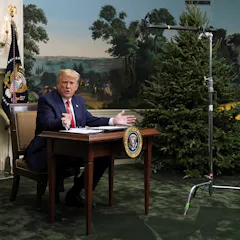
If citizens disbelieve the institutions that count ballots and the organizations that accurately report on those results, it will be impossible to agree on what a legitimate election looks like.
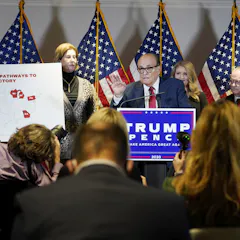
When it comes to election fraud claims, watch what the lawyers do, not what the politicians say.
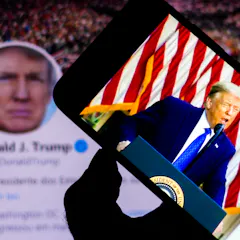
Our new study presents the first empirical evidence that President Trump’s tweets systematically divert attention away from topics that are potentially harmful to him.
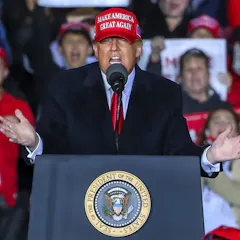
Yes, Trump doesn’t like to lose. But his obstruction of the presidential election result has another goal: galvanising his base for the Senate runoff elections in Georgia in January.
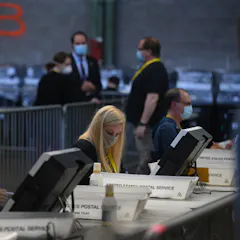
As vote counts tick upward, people may have questions about why one candidate does better with mail-in votes or in-person ballots. Here are the answers, and an explanation of how the counting happens.
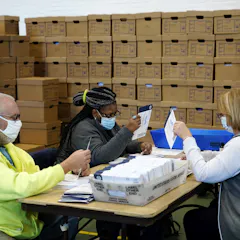
Election misinformation typically involves false narratives of fraud that include out-of-context or otherwise misleading images and faulty statistics as purported evidence.
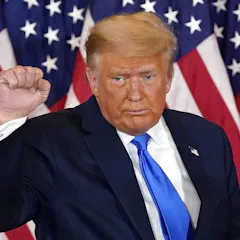
Trump is contesting the results in four key battleground states. Here is what he is claiming — and his chances of success in stopping the vote count or overturning the results.
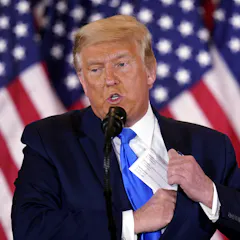
Prematurely declaring election victory is a hallmark of non-democratic regimes.
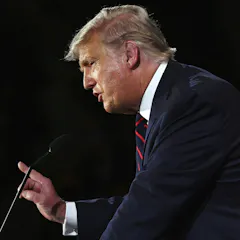
The 2020 presidential election will be the first in nearly 40 years conducted without protections from a court order that forbid the GOP from using voter intimidation at the polls.
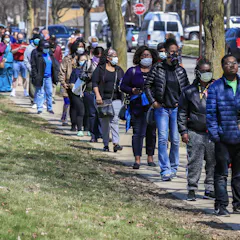
The Voting Rights Act was intended to prevent voter suppression in states with histories of discrimination. But states are finding other ways to make it difficult for people of colour to vote.
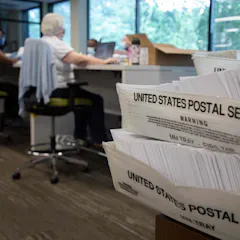
President Trump has repeatedly said that mail-in voting will result in substantial voter fraud. However, the real issues are related to logistics and the support by each state.
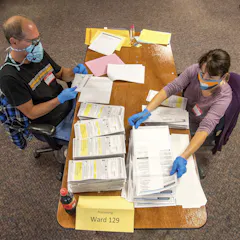
The mail-in voting process has several built-in safeguards that make it hard for one person to vote fraudulently, and even more difficult to commit large-scale voter fraud.
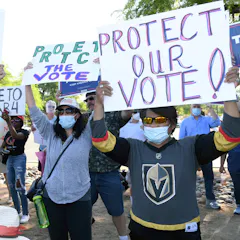
In lawsuits across the country, the GOP and Trump campaign are trying to stop or dramatically curtail mail-in voting. Courts have largely sided with them, threatening massive disenfranchisement.
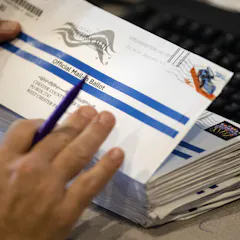
Voting by mail is rarely subject to fraud, does not give an advantage to one political party over another and can in fact inspire public confidence in the voting process.
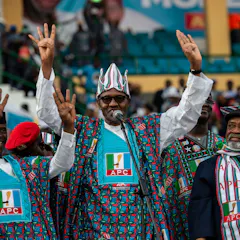
One year after the 2019 general elections in Nigeria, courts and not the electorate, are busy deciding actual winners of the polls.
Top contributors
-

Professor of Democracy, University of Birmingham
-
Law Professor in Constitutional Law, Criminal Law, Election Law, University of Memphis
-
Assistant Professor of Law, Georgia State University
-
Professor of Political Science, Indiana University
-
Spécialiste de la politique américaine, Sciences Po
-
Senior Research Scholar for Cyber Policy and Security, Center for International Security and Cooperation, Stanford University
-
Research Associate, University of Bristol
-
Graduate Student in History, Northwestern University
-
Assistant Professor of Political Science, Michigan State University
-
Professor of Law and Director of the UOW Transnational Law and Policy Centre, University of Wollongong
-
Assistant Professor of Political Science and International Studies, Yonsei University
-
Lecturer, Department of Modern History, Politics and International Relations, Macquarie University
-
Director of Research, Academic Development and Innovation at the Center on Terrorism, Extremism and Counterterrorism, Middlebury College
-
Professor, University of Washington
-
Associate Professor of History and American Studies, Rutgers University - Newark
