
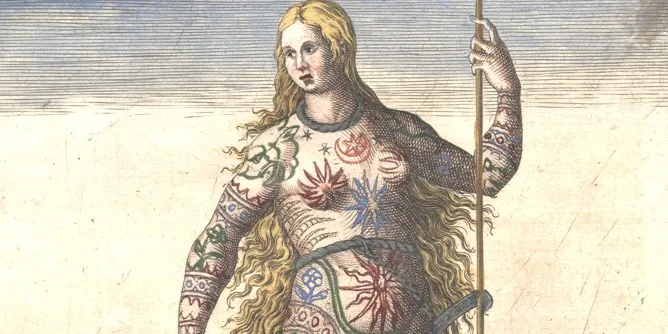
The pandemic has made some people rush to get tattoos for different reasons. A tattoo historian explains why tattoos are often seen to be ‘trashy,’ a view likely influenced by colonialism.
Articles on Egypt
Displaying 141 - 160 of 363 articles

Eurobonds are costly for governments. But they are also attractive because investors buy them without preconditions.
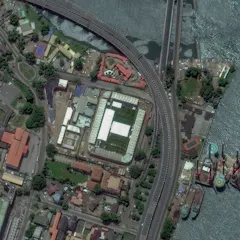
An expert says Nigeria’s capacity to access space support for development and security will be affected if its satellite goes down.
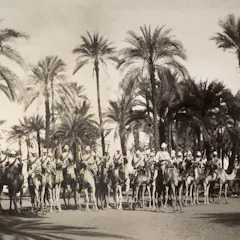
As the government cracks down on the right to protest, we should remind ourselves of similarities between new legislation and older legacies of imperialism.
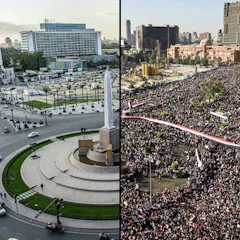
In the ten years since the Arab Spring, the countries affected have transformed completely. Here’s how.

Digital media shutdowns in Africa will lead to higher economic costs and greater public outrage.
CC BY-NC-ND8.48 MB (download)
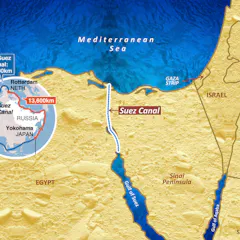
The Suez Canal’s history has been forged over a century by multiple entities and people. Its past has been marked by colossal stumbling blocks.

South Africa frequently invokes its celebrated constitution that is based on human rights, but has often failed to live up to its ideals.
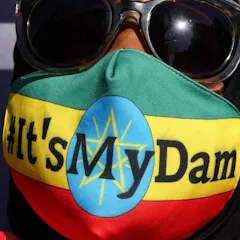
Ethiopia, Sudan, Egypt and their neighbours could deploy large-scale solar and wind farms, connected by a regionally integrated power grid.

Her 1975 novel demonstrated a far more radical feminism than was common in Africa and the Arab world – a precursor of the #MenAreTrash anger of today.
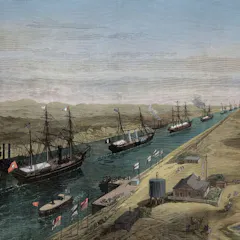
Prior to the mid-19th century, the Isthmus of Suez – the 125km strip of land that lies between the Mediterranean Sea and the Red Sea – was a quiet spot.
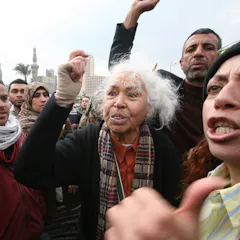
She believed that writing is an act of speaking the truth, an act of courage, that must serve the people and not those in power.
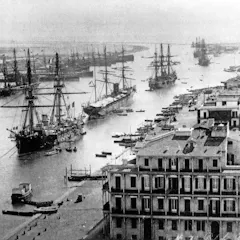
Britain’s preoccupation with the canal was as much about controlling Egypt as it was about global trade.
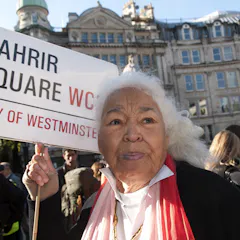
To understand her contribution to public debate, it’s important to see her in the context of the historical moment that made her work possible, necessary and provocative.

A firebrand activist for women’s rights, her novels espoused truths that made her hugely unpopular with the government.
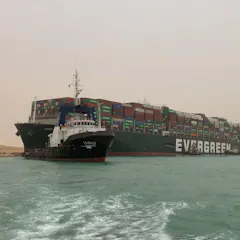
The Suez Canal is the ideal target for causing maximum disruption to global trade.
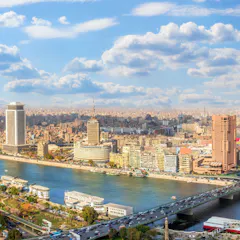
Given the ever increasing importance of coordinated management Ethiopia, Sudan, and Egypt should manage all dams through the Nile Basin Commission.
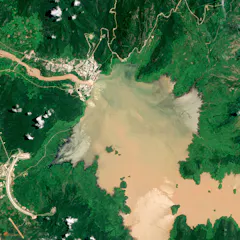
Nile communities carefully monitored and recorded the river’s flow. Centuries later these records are still being used by water resource managers around the world to analyse unpredictable river flows.
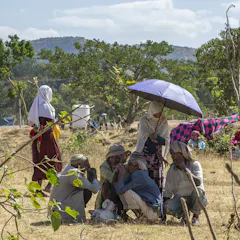
It’s a confluence of local, regional, national and, possibly, foreign interests.
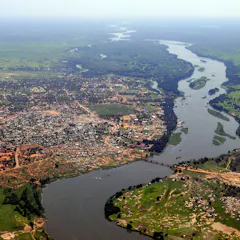
CC BY-NC-ND6.39 MB (download)
It won’t be easy to get the 11 countries in the basin to agree to a plan that avoids chronic water shortages in the future. Good information sharing and technical cooperation are critical.
Top contributors
-
ESRC PhD candidate, Lancaster University
-

Professor, Weber State University
-
Professor of Communications, Howard University
-
Professor of International Relations, Lancaster University
-
Visiting professor, Georgetown University
-
Senior Lecturer in International Relations, University of Aberdeen
-
PhD candidate, University of the Pacific
-
Professor of Middle Eastern Studies and Public Policy and Director of the Interdisciplinary Studies Institute, UMass Amherst
-
Professor in the Department of Government, University of Essex
-
Professor and Chair of Allied Health Studies, Stephen F. Austin State University
-
PhD Candidate, Anthropology and Archaeology, University of Bristol
-
Associate Professor of History, University of Washington
-
Political Scientist, University of the Western Cape
-
Professor of International Politics, Clinton Institute, University College Dublin
-
Director of Research, Africa Center for Strategic Studies, University of Maryland