

An expert in the marketing of zero-alcohol drinks explains what went wrong.
Articles on Dry January
Displaying all articles

Though well-intentioned, abstinence-based resolutions can result in a return to use because these approaches reduce complex human behaviour to an on-off switch.

In one study, more than half of participants reported better sleep quality and more energy.
Drinking alcohol is a personal decision. It’s important to translate population-level drinking guidance in a format that resonates with individuals and is relevant to a person’s circumstances.

Adults are often confused about the reasons young people are drinking less.

Fiction offers precious and sobering insights into the impact of alcohol in the lives of women and children.
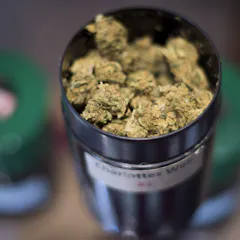
A Weed-Free January could do more good than cannabis users may realize. Regular cannabis users could expect to experience a number of positive physical and lifestyle changes from a 31-day pause.

Younger people are spending more on experiences, and cutting back on alcohol.

More people are choosing sobriety than ever, but there is a storied history of non-alcoholic cocktails.

On the surface, sober months like Dry January and Dry February are great. But we need to broaden the discussion around how privilege and policy impact one’s relationship with alcohol and other drugs.

The key is start preparing before January.

There’s no credible evidence that Dry January is good for your health. But it’s certainly good for on group: the alcohol industry.
Top contributors
-

Honorary Fellow, Department of Health Sciences, University of York
-
Lecturer, Psychology and Epidemiology, University of Liverpool
-
PhD in History, University of Bristol
-
Professor of Alcohol Policy, Sheffield Alcohol Research Group, University of Sheffield
-
Senior Research Fellow and Deputy Director, Centre for Alcohol Policy Research, La Trobe University
-
Peter Boris Chair in Addictions Research; Director, Peter Boris Centre for Addictions Research; Director, Michael G. DeGroote Centre for Medicinal Cannabis Research; Professor, Department of Psychiatry and Behavioural Neurosciences, McMaster University
-
Assistant Professor in the School of Health Studies, Western University
-
Professor of Children's Literature & Childhood Culture, Queen Mary University of London
-
Research Associate, Public Health, University of Sheffield
-
Associate Professor, Faculty of Social Work, University of Regina
-
Lecturer in Marketing, Bristol University Business School, University of Bristol
-
Lecturer in Marketing, University of Bristol
-
Associate Professor, Department of Academic Family Medicine, University of Saskatchewan
-
Director, Canadian Institute for Substance Use Research; Professor, Division of Medical Sciences, University of Victoria
-
Professor of Health Psychology, Brighton and Sussex Medical School, University of Sussex